Cardiac arrhythmias may be common among hospitalized adults with COVID-19 and no structural heart disease
1. In hospitalized adults with coronavirus disease 2019 (COVID-19) and no structural heart disease, cardiac arrhythmias were common and were strongly associated with myocardial injury and poor blood sugar control, particularly in patients with diabetes.
Evidence Rating Level: 2 (Good)
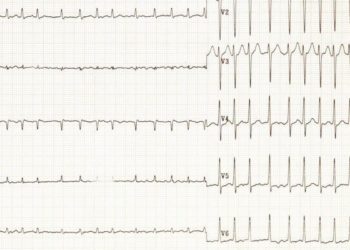
Coronavirus disease 2019 (COVID-19) is increasingly recognized to cause cardiovascular complications, including myocardial injury and clinically significant arrhythmias. This single-center retrospective cross-sectional study analyzed 324 PCR-confirmed adult COVID-19 inpatients (2020–2022) without known structural heart disease at the Second Hospital of Shanxi Medical University. Investigators collected demographics, vital signs, coagulation indices, metabolic parameters, cardiac biomarkers, 12-lead and Holter ECGs, and echocardiographic measurements. Arrhythmias were identified and patients were divided into arrhythmia (n=257) and non-arrhythmia (n=67) groups. Arrhythmias occurred in nearly 80% of patients, predominantly tachyarrhythmias; atrial fibrillation (18%) and atrial flutter (13%) were the most common, while sinus bradycardia was the most frequent bradyarrhythmia. Compared with controls, patients with arrhythmias had higher heart rates, longer PT and APTT, higher blood glucose, uric acid, serum potassium, hs-TnI, NT-proBNP, larger aortic root and left-sided chamber dimensions, lower LVEF and FS, and more diabetes. Multivariate logistic regression identified elevated heart rate, prolonged PT, higher hs-TnI, greater end-systolic volume, higher serum potassium, hyperglycemia, and diabetes as independent risk factors for arrhythmia, with a combined ROC AUC of 0.773.
Click here to read this study in PLOS One
Image: PD
©2025 2 Minute Medicine, Inc. All rights reserved. No works may be reproduced without expressed written consent from 2 Minute Medicine, Inc. Inquire about licensing here. No article should be construed as medical advice and is not intended as such by the authors or by 2 Minute Medicine, Inc.