Several serum proteins may provide prognostic value in metabolic dysfunction-associated steatotic liver disease
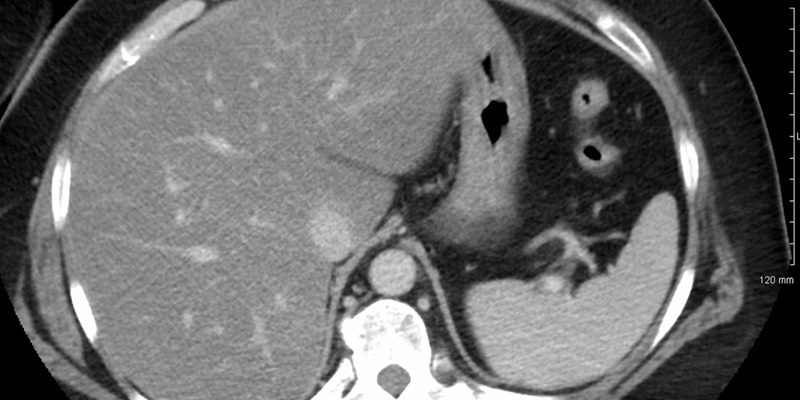
1. Distinct circulating and hepatic molecular signatures appear to track metabolic dysfunction-associated steatotic liver disease progression.
2. Serum proteins showed concordant liver transcriptomic changes in steatohepatitis and fibrosis-related markers such as gelsolin and lumican remained consistent across multiple cohorts, supporting their potential as noninvasive biomarkers and therapeutic targets.
Evidence Rating Level: 2 (Good)
This multi-cohort study examined whether circulating protein signatures correspond to intrahepatic molecular changes across the spectrum of metabolic dysfunction-associated steatotic liver disease. The rationale was that blood-based proteomics may help identify clinically useful noninvasive biomarkers, but prior studies have rarely linked serum findings directly to hepatic gene expression. Investigators analyzed serum proteomics in two population-based cohorts from the Guangzhou Nutrition and Health Study: a cross-sectional magnetic resonance imaging cohort of 1,048 participants, including 428 with simple steatosis, and a prospective cohort of 2,945 participants followed for a median of 9.8 years, in which incident steatosis was identified by ultrasonography. They then assessed liver transcriptomics in a biopsy-based Chinese steatohepatitis cohort of 94 patients and validated hepatic gene signatures in independent Japanese and German cohorts. Serum proteomics identified several proteins associated with steatosis risk, including higher C3, C9, F9, vitronectin, and afamin, and lower sex hormone-binding globulin, apolipoprotein D, and apolipoprotein F. Hepatic transcriptomics showed that progression to steatohepatitis was associated with downregulation of complement-related genes and apolipoprotein F, while fibrosis was linked to increased alpha-2-macroglobulin, gelsolin, and lumican. These fibrosis-related signatures were reproduced across external cohorts. Overall, the study suggests that distinct serum and hepatic molecular signatures may support disease stratification, mechanistic insight, and future biomarker or therapeutic development in steatotic liver disease.
Click here to read the study in BMC Medicine
Image: PD
©2026 2 Minute Medicine, Inc. All rights reserved. No works may be reproduced without expressed written consent from 2 Minute Medicine, Inc. Inquire about licensing here. No article should be construed as medical advice and is not intended as such by the authors or by 2 Minute Medicine, Inc.