• About
  • Masthead
  • License Content
  • Advertise
  • Submit Press Release
  • RSS/Email List
  • 2MM Podcast
  • Write for us
  • Contact Us
2 Minute Medicine
No Result
View All Result

No products in the cart.

SUBSCRIBE
  • Specialties
    • All Specialties, All Recent Reports
    • Cardiology
    • Chronic Disease
    • Dermatology
    • Emergency
    • Endocrinology
    • Gastroenterology
    • Imaging and Intervention
    • Infectious Disease
    • Nephrology
    • Neurology
    • Obstetrics
    • Oncology
    • Ophthalmology
    • Pediatrics
    • Pharma
    • Preclinical
    • Psychiatry
    • Public Health
    • Pulmonology
    • Rheumatology
    • Surgery
  • Tools
    • EvidencePulse™
    • RVU Search
    • NPI Registry Lookup
  • Pharma
  • AI News
  • The Scan+
  • Classics™+
    • 2MM+ Online Access
    • Paperback and Ebook
  • Rewinds
  • Partners
    • License Content
    • Submit Press Release
    • Advertise with Us
  • Account
    • Subscribe
    • Sign-in
    • My account
2 Minute Medicine
  • Specialties
    • All Specialties, All Recent Reports
    • Cardiology
    • Chronic Disease
    • Dermatology
    • Emergency
    • Endocrinology
    • Gastroenterology
    • Imaging and Intervention
    • Infectious Disease
    • Nephrology
    • Neurology
    • Obstetrics
    • Oncology
    • Ophthalmology
    • Pediatrics
    • Pharma
    • Preclinical
    • Psychiatry
    • Public Health
    • Pulmonology
    • Rheumatology
    • Surgery
  • Tools
    • EvidencePulse™
    • RVU Search
    • NPI Registry Lookup
  • Pharma
  • AI News
  • The Scan+
  • Classics™+
    • 2MM+ Online Access
    • Paperback and Ebook
  • Rewinds
  • Partners
    • License Content
    • Submit Press Release
    • Advertise with Us
  • Account
    • Subscribe
    • Sign-in
    • My account
SUBSCRIBE
2 Minute Medicine
Subscribe
Home All Specialties Hematology

Inflammatory bowel disease may increase risk of venous thromboembolism in children
bySimon PanandAlex Chan
March 12, 2025
in Hematology, Pediatrics
Reading Time: 2 mins read
0
Share on FacebookShare on Twitter

1. Children living with inflammatory bowel disease (IBD) are at greater risk of venous thromboembolism (VTE) compared to children without VTE, with the highest risk occurring around time of diagnosis. 

Evidence Rating Level: 2 (Good)

Evidence from recent studies suggest that children living with IBD are at greater risk of VTE compared to children without IBD. However, due to the rarity of VTE in IBD patients in spite of this increased risk, studies have been limited to a lower number of events, making it difficult to characterize VTE risk in children beyond incidence rates. This study therefore sought to characterize children with IBD who develop VTE and to calculate absolute and relative risks compared to the general population. Patients under the age of 18 with IBD between 2001 and 2019 were identified via HES, a nationwide administrative database of all hospitals in England. A comparator cohort was constructed using data from children without IBD from the Office for National Statistics as well as HES data. The absolute risk of VTE in the general pediatric population was 0.18 (95% confidence interval [CI], 0.18-0.19) per 10,000 patient-years, while it was 9.42 (95% CI, 7.4-11.4) per 10 000 patient-years for pediatric patients living with IBD. Among children living with IBD, there was an overall relative risk increase of 51.8 (95% CI, 41.8-64.3) compared to children without IBD. When analyzing based on demographic factors, children with ulcerative colitis were at a higher risk for VTE compared to children with Crohn’s disease (incidence rate 12.4 vs 5.6 per 10 000 patient-years). Among children with IBD and VTE, 65 (76.5%) developed a VTE either within the first year following IBD diagnosis or 6 months prior to IBD diagnosis. Overall, this study found that children living with IBD are at increased risks of developing a VTE, with the greatest risk occurring around the time of diagnosis.

Click to read the study in the study in Inflammatory Bowel Disease 

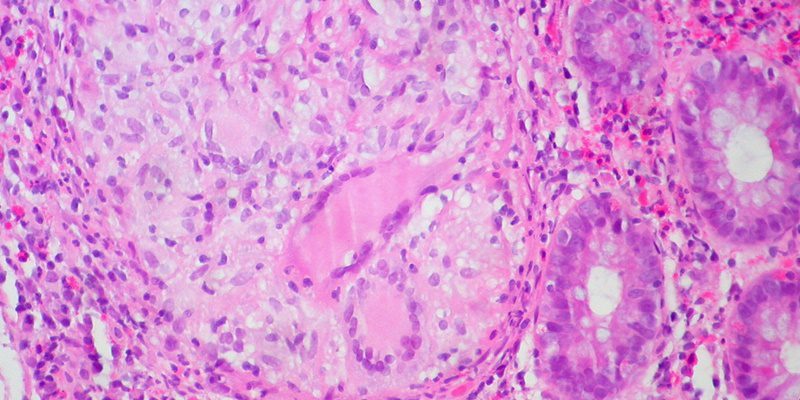
Image: PD

©2024 2 Minute Medicine, Inc. All rights reserved. No works may be reproduced without expressed written consent from 2 Minute Medicine, Inc. Inquire about licensing here. No article should be construed as medical advice and is not intended as such by the authors or by 2 Minute Medicine, Inc. 

RELATED REPORTS

Maternal prothrombin time may be an effective marker for neonatal sepsis risk stratification

Susie Wiles’ breast cancer diagnosis drives national screening surge

Finerenone improves albuminuria in adults with type 1 diabetes and chronic kidney disease

Previous Post

Poor control over clinical work associated with burnout among physicians

Next Post

#VisualAbstract: Tenecteplase is Non-Inferior to Alteplase for Acute Ischemic Stroke within 4.5 Hours of Onset

RelatedReports

Obstetric scoring systems overestimate cases of severe sepsis
All Specialties

Maternal prothrombin time may be an effective marker for neonatal sepsis risk stratification

March 25, 2026
High frequency of germline mutations observed in triple negative breast cancers
The Scan by 2 Minute Medicine®

Susie Wiles’ breast cancer diagnosis drives national screening surge

March 25, 2026
Pediatric DKA associated with recent acute care visits
Chronic Disease

Finerenone improves albuminuria in adults with type 1 diabetes and chronic kidney disease

March 25, 2026
No difference in mortality for intensive versus standard reduction in blood pressure in intracerebral hemorrhage: The ATACH-2 trial
Emergency

Early control of systolic blood pressure following intracerebral hemorrhage may improve functional recovery

March 24, 2026
Next Post
#VisualAbstract: Tenecteplase is Non-Inferior to Alteplase for Acute Ischemic Stroke within 4.5 Hours of Onset

#VisualAbstract: Tenecteplase is Non-Inferior to Alteplase for Acute Ischemic Stroke within 4.5 Hours of Onset

Study lends support for interferon-free treatment of hepatitis C

Machine learning model demonstrates superior screening efficiency for Hepatitis C virus carriers

Elagolix with add-back hormone therapy effective in reducing fibroid-associated menstrual bleeding

Endometriosis and uterine fibroids associated with a greater risk of mortality due to gynecologic cancers

2 Minute Medicine® is an award winning, physician-run, expert medical media company. Our content is curated, written and edited by practicing health professionals who have clinical and scientific expertise in their field of reporting. Our editorial management team is comprised of highly-trained MD physicians. Join numerous brands, companies, and hospitals who trust our licensed content.

Recent Reports

  • Maternal prothrombin time may be an effective marker for neonatal sepsis risk stratification
  • Susie Wiles’ breast cancer diagnosis drives national screening surge
  • Finerenone improves albuminuria in adults with type 1 diabetes and chronic kidney disease
License Content
Terms of Use | Disclaimer
Cookie Policy
Privacy Statement (EU)
Disclaimer

© 2025 2 Minute Medicine, Inc. - Physician-written medical news.

  • Specialties
    • All Specialties, All Recent Reports
    • Cardiology
    • Chronic Disease
    • Dermatology
    • Emergency
    • Endocrinology
    • Gastroenterology
    • Imaging and Intervention
    • Infectious Disease
    • Nephrology
    • Neurology
    • Obstetrics
    • Oncology
    • Ophthalmology
    • Pediatrics
    • Pharma
    • Preclinical
    • Psychiatry
    • Public Health
    • Pulmonology
    • Rheumatology
    • Surgery
  • Tools
    • EvidencePulse™
    • RVU Search
    • NPI Registry Lookup
  • Pharma
  • AI News
  • The Scan
  • Classics™
    • 2MM+ Online Access
    • Paperback and Ebook
  • Rewinds
  • Partners
    • License Content
    • Submit Press Release
    • Advertise with Us
  • Account
    • Subscribe
    • Sign-in
    • My account
No Result
View All Result

© 2025 2 Minute Medicine, Inc. - Physician-written medical news.