• About
  • Masthead
  • License Content
  • Advertise
  • Submit Press Release
  • RSS/Email List
  • 2MM Podcast
  • Write for us
  • Contact Us
2 Minute Medicine
No Result
View All Result

No products in the cart.

SUBSCRIBE
  • Specialties
    • All Specialties, All Recent Reports
    • Cardiology
    • Chronic Disease
    • Dermatology
    • Emergency
    • Endocrinology
    • Gastroenterology
    • Imaging and Intervention
    • Infectious Disease
    • Nephrology
    • Neurology
    • Obstetrics
    • Oncology
    • Ophthalmology
    • Pediatrics
    • Pharma
    • Preclinical
    • Psychiatry
    • Public Health
    • Pulmonology
    • Rheumatology
    • Surgery
  • Tools
    • EvidencePulse™
    • RVU Search
    • NPI Registry Lookup
  • Pharma
  • AI News
  • The Scan+
  • Classics™+
    • 2MM+ Online Access
    • Paperback and Ebook
  • Rewinds
  • Partners
    • License Content
    • Submit Press Release
    • Advertise with Us
  • Account
    • Subscribe
    • Sign-in
    • My account
2 Minute Medicine
  • Specialties
    • All Specialties, All Recent Reports
    • Cardiology
    • Chronic Disease
    • Dermatology
    • Emergency
    • Endocrinology
    • Gastroenterology
    • Imaging and Intervention
    • Infectious Disease
    • Nephrology
    • Neurology
    • Obstetrics
    • Oncology
    • Ophthalmology
    • Pediatrics
    • Pharma
    • Preclinical
    • Psychiatry
    • Public Health
    • Pulmonology
    • Rheumatology
    • Surgery
  • Tools
    • EvidencePulse™
    • RVU Search
    • NPI Registry Lookup
  • Pharma
  • AI News
  • The Scan+
  • Classics™+
    • 2MM+ Online Access
    • Paperback and Ebook
  • Rewinds
  • Partners
    • License Content
    • Submit Press Release
    • Advertise with Us
  • Account
    • Subscribe
    • Sign-in
    • My account
SUBSCRIBE
2 Minute Medicine
Subscribe
Home All Specialties Cardiology

Intravascular imaging-guided PCI has a lower mortality rate than angiography-guided PCI
byDavid XiangandKiera Liblik
May 29, 2023
in Cardiology, Chronic Disease
Reading Time: 3 mins read
0
Share on FacebookShare on Twitter

1. In patients with complex coronary artery lesions, intravascular imaging-guided percutaneous coronary intervention (PCI) led to a lower risk of death from cardiac causes than angiography-guided PCI.

2. Intravascular imaging-guided PCI also led to a lower risk of target vessel-related myocardial infarction than angiography-guided PCI.

Evidence Rating Level: 1 (Excellent)

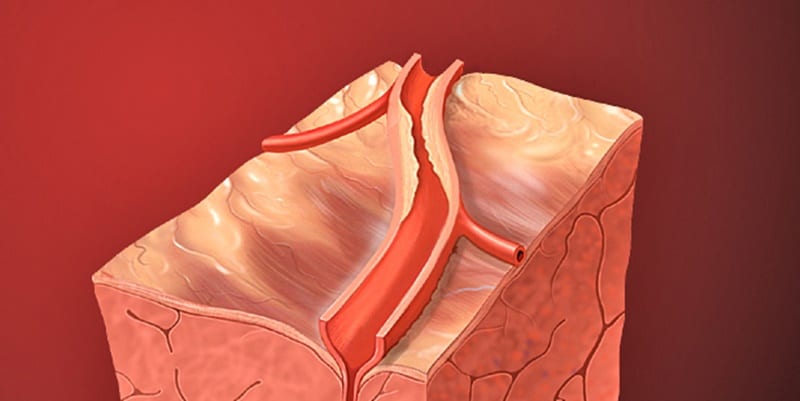
Study Rundown: PCI can lead to worse clinical outcomes in patients with complex artery lesions than in patients with simple lesions. During PCI, imaging with intravascular ultrasonography (US) and optical coherence tomography (OCT) can provide helpful information about lesion characteristics. Thus, procedural guidance with intravascular imaging may improve clinical outcomes after PCI for complex coronary artery lesions. However, there is a gap in knowledge as to whether intravascular imaging-guided PCI with the use of intravascular US or OCT would improve clinical outcomes compared to angiography-guided PCI in patients with complex coronary artery lesions. Overall, this study found that in patients with complex coronary artery lesions, intravascular imaging-guided PCI was associated with a lower cumulative incidence of a composite of death from cardiac causes, target-vessel related myocardial infarction, or clinically driven target vessel revascularization than angiography-guided PCI. This study was limited by the trial being unblinded as well as intravascular imaging defined stent optimization only occurring in 45.4% of the patients. Nevertheless, these study’s findings are significant, as they demonstrate that intravascular imaging-guided PCI is associated with less risk and improved clinical outcomes compared to angiography-guided PCI in patients with complex coronary artery lesions.

Click to read the study in NEJM

Relevant Reading: Fractional Flow Reserve or Intravascular Ultrasound for PCI

RELATED REPORTS

Sodium-glucose cotransporter 2 inhibitors may improve left ventricular diastolic function in hypertrophic cardiomyopathy

2 Minute Medicine Rewind February 16, 2026

The Scan by 2 Minute Medicine®: Oral GLP 1 reshapes obesity visits, deepfake doctors fuel DIY injectables, home longevity scales overwhelm clinics, and TV CPR scripts leave bystanders unprepared

In-Depth [randomized open-label trial]: This randomized open-label trial was conducted at 20 sites in South Korea. Patients who were 19 years of age or older who were undergoing PCI for complex coronary-artery lesions were eligible for the study. Patients who did not have coronary lesions appropriate for PCI, had known contraindications to PCI, were pregnant, or were breastfeeding were excluded from the study. The primary outcome measured was a target-vessel failure. This was defined as a composite of death from cardiac causes, target-vessel–related myocardial infarction, or clinically driven target-vessel revascularization. Outcomes in the primary analysis were assessed via a log-rank test given an anticipated enrollment period of three years with an intention to treat basis. The median follow-up was 2.1 years (interquartile range, 1.4 to 3.0). The study demonstrated that a primary end-point event had occurred in 76 patients (cumulative incidence, 7.7%) in the intravascular imaging group and in 60 patients (cumulative incidence, 12.3%) in the angiography group (hazard ratio, 0.64; 95% confidence interval, 0.45 to 0.89). Death from cardiac causes occurred in 16 patients (cumulative incidence, 1.7%) in the intravascular imaging group and in 17 patients (cumulative incidence, 3.8%) in the angiography group. Target-vessel–related myocardial infarction occurred in 38 patients in the intravascular group (cumulative incidence, 3.7%) and 30 in the angiography group (cumulative incidence, 5.6%). In summary, this study demonstrates that intravascular imaging-guided PCI leads to a lower risk of death from cardiac causes, target vessel-related myocardial infarction, or clinically driven target vessel revascularization than angiography-guided PCI in patients with complex coronary artery lesions.

Image: PD

©2023 2 Minute Medicine, Inc. All rights reserved. No works may be reproduced without expressed written consent from 2 Minute Medicine, Inc. Inquire about licensing here. No article should be construed as medical advice and is not intended as such by the authors or by 2 Minute Medicine, Inc.

Tags: angiography-guided PCIcardiologychronic diseaseIntravascular imaging-guided PCIPCIpercutaneous coronary intervention
Previous Post

Characterization of cancer development risk following pediatric radiation exposure from computed tomography

Next Post

HIV status does not impact mpox treatment with tecovirimat

RelatedReports

Remote patient monitoring did not reduce heart failure readmissions: The BEAT-HF trial
Cardiology

Sodium-glucose cotransporter 2 inhibitors may improve left ventricular diastolic function in hypertrophic cardiomyopathy

February 17, 2026
Mutation linked with decrease in cutaneous diffuse large B-cell lymphoma
Weekly Rewinds

2 Minute Medicine Rewind February 16, 2026

February 16, 2026
The Scan by 2 Minute Medicine®:  Ultra-Trail du Mont-Blanc, Taylor Swift, NBA rookie Chet Holmgren and Magic Mushrooms!
Chronic Disease

The Scan by 2 Minute Medicine®: Oral GLP 1 reshapes obesity visits, deepfake doctors fuel DIY injectables, home longevity scales overwhelm clinics, and TV CPR scripts leave bystanders unprepared

January 26, 2026
Remote patient monitoring did not reduce heart failure readmissions: The BEAT-HF trial
Weekly Rewinds

2 Minute Medicine Rewind

January 13, 2026
Next Post
Pre-exposure prophylaxis (PrEP) effective in preventing HIV infection in high-risk gay men

HIV status does not impact mpox treatment with tecovirimat

Patient Basics: Chronic Hepatitis

Amoxicillin-clavulanate not associated with improved survival outcomes in patients with severe alcohol-related hepatitis receiving prednisolone

Increased risk of stillbirth recurrence after a previous stillbirth

Death anxiety may impact several clinical parameters in cancer patients receiving palliative care

2 Minute Medicine® is an award winning, physician-run, expert medical media company. Our content is curated, written and edited by practicing health professionals who have clinical and scientific expertise in their field of reporting. Our editorial management team is comprised of highly-trained MD physicians. Join numerous brands, companies, and hospitals who trust our licensed content.

Recent Reports

  • Poly-L-lysine-coated catheters are safe and well-tolerated in adults requiring short-term catheterization
  • Artificial intelligence predicts colorectal cancer in ulcerative colitis with 99% accuracy
  • Penpulimab and lenalidomide in combination with standard of care chemoimmunotherapy demonstrates promising safety and efficacy in diffuse large B-cell lymphoma
License Content
Terms of Use | Disclaimer
Cookie Policy
Privacy Statement (EU)
Disclaimer

© 2025 2 Minute Medicine, Inc. - Physician-written medical news.

  • Specialties
    • All Specialties, All Recent Reports
    • Cardiology
    • Chronic Disease
    • Dermatology
    • Emergency
    • Endocrinology
    • Gastroenterology
    • Imaging and Intervention
    • Infectious Disease
    • Nephrology
    • Neurology
    • Obstetrics
    • Oncology
    • Ophthalmology
    • Pediatrics
    • Pharma
    • Preclinical
    • Psychiatry
    • Public Health
    • Pulmonology
    • Rheumatology
    • Surgery
  • Tools
    • EvidencePulse™
    • RVU Search
    • NPI Registry Lookup
  • Pharma
  • AI News
  • The Scan
  • Classics™
    • 2MM+ Online Access
    • Paperback and Ebook
  • Rewinds
  • Partners
    • License Content
    • Submit Press Release
    • Advertise with Us
  • Account
    • Subscribe
    • Sign-in
    • My account
No Result
View All Result

© 2025 2 Minute Medicine, Inc. - Physician-written medical news.