

• About
  • Masthead
  • License Content
  • Advertise
  • Submit Press Release
  • RSS/Email List
  • 2MM Podcast
  • Write for us
  • Contact Us
2 Minute Medicine
No Result
View All Result

No products in the cart.

SUBSCRIBE
  • Specialties
    • All Specialties, All Recent Reports
    • Cardiology
    • Chronic Disease
    • Dermatology
    • Emergency
    • Endocrinology
    • Gastroenterology
    • Imaging and Intervention
    • Infectious Disease
    • Nephrology
    • Neurology
    • Obstetrics
    • Oncology
    • Ophthalmology
    • Pediatrics
    • Pharma
    • Preclinical
    • Psychiatry
    • Public Health
    • Pulmonology
    • Rheumatology
    • Surgery
  • Tools
    • EvidencePulse™
    • RVU Search
    • NPI Registry Lookup
  • Pharma
  • AI News
  • The Scan+
  • Classics™+
    • 2MM+ Online Access
    • Paperback and Ebook
  • Rewinds
  • Partners
    • License Content
    • Submit Press Release
    • Advertise with Us
  • Account
    • Subscribe
    • Sign-in
    • My account
2 Minute Medicine
  • Specialties
    • All Specialties, All Recent Reports
    • Cardiology
    • Chronic Disease
    • Dermatology
    • Emergency
    • Endocrinology
    • Gastroenterology
    • Imaging and Intervention
    • Infectious Disease
    • Nephrology
    • Neurology
    • Obstetrics
    • Oncology
    • Ophthalmology
    • Pediatrics
    • Pharma
    • Preclinical
    • Psychiatry
    • Public Health
    • Pulmonology
    • Rheumatology
    • Surgery
  • Tools
    • EvidencePulse™
    • RVU Search
    • NPI Registry Lookup
  • Pharma
  • AI News
  • The Scan+
  • Classics™+
    • 2MM+ Online Access
    • Paperback and Ebook
  • Rewinds
  • Partners
    • License Content
    • Submit Press Release
    • Advertise with Us
  • Account
    • Subscribe
    • Sign-in
    • My account
SUBSCRIBE
2 Minute Medicine
Subscribe
Home All Specialties Pediatrics

Laryngeal mask airway is suitable method for surfactant administration in infants with respiratory distress syndrome
byVincent SoandAlex Gipsman, MD
November 3, 2022
in Pediatrics, Pulmonology
Reading Time: 3 mins read
0
Share on FacebookShare on Twitter

1. In a randomized controlled trial, laryngeal mask airway (LMA) surfactant administration was associated with lower rates of early failure and less surfactant reflux than endotracheal tube (ETT) surfactant administration.

2. LMA and ETT surfactant administration did not differ in terms of adverse events during treatment, clinical outcomes, or risk of BPD or mortality.

Evidence Rating Level: 1 (Excellent)

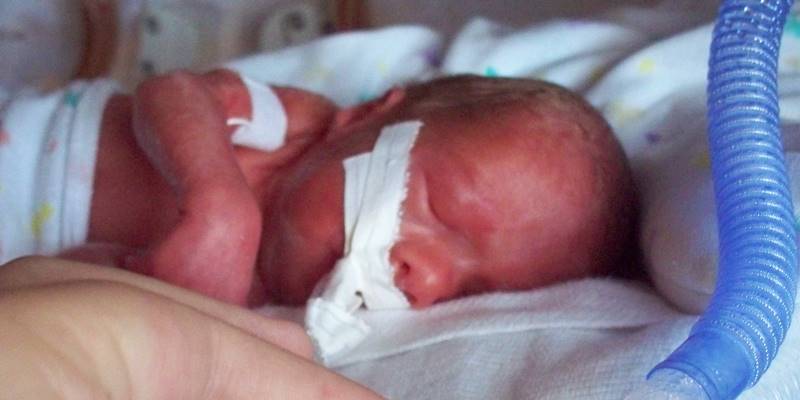
Study Rundown: Early surfactant therapy improves pulmonary outcomes and mortality for infants with respiratory distress syndrome (RDS). However, surfactant therapy has traditionally required intubation and mechanical ventilation which can itself lead to lung injury. As a result, there are ongoing efforts to pursue non-invasive methods to administer surfactant, such as through a LMA, to avoid intubation. The objective of this randomized controlled study of 93 premature infants was to evaluate if LMA was a suitable alternative route of administration compared to an endotracheal tube. Researchers found that there were no differences between ETT and LMA groups in terms of clinical outcomes including adverse events during surfactant administration, unrelated intubations following treatment, number of surfactant doses, pneumothorax, pulmonary hemorrhage, BPD, and death. In addition, the LMA group had a lower risk of early failure (within 1 hour) following surfactant administration compared to the ETT group. One major limitation was lack of blinding to treatment which could influence clinical decisions such as surfactant doses, intubation/extubation, respiratory management and settings, and use of premedication. This study provides evidence that LMA administration of surfactant to infants with RDS is non-inferior to ETT administration. Future studies are required to study the use of LMAs for surfactant administration in other cohorts to provide external validation.

Click here to read the article in the Journal of Pediatrics

Relevant Reading: Early surfactant administration with brief ventilation vs. selective surfactant and continued mechanical ventilation for preterm infants with or at risk for respiratory distress syndrome.

RELATED REPORTS

Trimethoprim-sulfamethoxazole during pregnancy does not reduce risk of prematurity

Levothyroxine supplementation in pregnancy not linked to prematurity risk

Characterization of meconium-related obstruction and outcomes in term and preterm infants

In-Depth [randomized controlled trial]: This was a single center (Albany Medical Center NICU) randomized controlled trial conducted from Nov 2014 to April 2020. This study enrolled premature infants between 27 and 37 weeks gestational age with clinical evidence of RDS requiring non-invasive respiratory support to maintain a normal oxygen saturation. No blinding occurred following randomization. Primary outcomes included failure of surfactant therapy, requiring standard therapy with ETT and mechanical ventilation. Failure was subdivided into early (within 1 hour) and late failure. Failure was defined as 2+ doses of surfactant therapy, FiO2 >0.60 to maintain target oxygen saturations, or a second dose of surfactant within 8 hours of initial dose. Secondary outcomes included number of surfactant doses, days on respiratory support and oxygen, pneumothorax, adverse events, and mortality. In the study timeframe, 329 patients were eligible for the study, 93 were randomized with 42 allocated to ETT group and 51 to the LMA group. LMA group had lower rates of surfactant reflux during administration (0% vs 9.7%, p=0.006) and lower rates of early failure (2% vs 12%, p=0.044), when compared to ETT group. There were no statistical differences between LMA or ETT in any other primary or secondary outcomes.

Image: PD

©2022 2 Minute Medicine, Inc. All rights reserved. No works may be reproduced without expressed written consent from 2 Minute Medicine, Inc. Inquire about licensing here. No article should be construed as medical advice and is not intended as such by the authors or by 2 Minute Medicine, Inc.
Tags: bronchopulmonary dysplasia (BPD)neonatologyNICUprematurityrespiratory distress syndromesurfactant
Previous Post

The 2 Minute Medicine Podcast Episode 1

Next Post

#VisualAbstract: Lower oxygen saturation does not improve survival in cardiac arrest patients

RelatedReports

Implementation of pneumococcal vaccine programs linked to decreased antibiotic prescription
Infectious Disease

Trimethoprim-sulfamethoxazole during pregnancy does not reduce risk of prematurity

June 9, 2025
Risk of autism in offspring linked to maternal pregestational diabetes and severe obesity
Endocrinology

Levothyroxine supplementation in pregnancy not linked to prematurity risk

February 24, 2025
Poverty, preterm birth demonstrate additive effect on cognition
Career Development

Characterization of meconium-related obstruction and outcomes in term and preterm infants

February 21, 2025
Racial, ethnic differences in outcomes of extremely preterm infants decreasing but persistent
Emergency

Comparison of different types of ultrasound probes for lung ultrasound in neonates

July 12, 2024
Next Post
#VisualAbstract: Lower oxygen saturation does not improve survival in cardiac arrest patients

#VisualAbstract: Lower oxygen saturation does not improve survival in cardiac arrest patients

Quick Take: Association of Visual Impairment With Economic Development Among Chinese Schoolchildren

Binocular eye tracking-based device is non-inferior to patching for the treatment of amblyopia

Glycopyrrolate not associated with decreased vasopressor use for cesarean deliveries

2 Minute Medicine® is an award winning, physician-run, expert medical media company. Our content is curated, written and edited by practicing health professionals who have clinical and scientific expertise in their field of reporting. Our editorial management team is comprised of highly-trained MD physicians. Join numerous brands, companies, and hospitals who trust our licensed content.

Recent Reports

  • A telephone-based intervention reduced loneliness and improved well-being among older adults
  • Propofol is associated with lower mortality in sepsis-associated encephalopathy
  • The Scan by 2 Minute Medicine®: Daily caffeine intake linked to lower dementia risk, AAP sues over federal vaccine schedule overhaul, Catherine O’Hara passes away after short illness, and GLP-1 receptor agonists reduce endometrial cancer risk
License Content
Terms of Use | Disclaimer
Cookie Policy
Privacy Statement (EU)
Disclaimer

© 2025 2 Minute Medicine, Inc. - Physician-written medical news.

  • Specialties
    • All Specialties, All Recent Reports
    • Cardiology
    • Chronic Disease
    • Dermatology
    • Emergency
    • Endocrinology
    • Gastroenterology
    • Imaging and Intervention
    • Infectious Disease
    • Nephrology
    • Neurology
    • Obstetrics
    • Oncology
    • Ophthalmology
    • Pediatrics
    • Pharma
    • Preclinical
    • Psychiatry
    • Public Health
    • Pulmonology
    • Rheumatology
    • Surgery
  • Tools
    • EvidencePulse™
    • RVU Search
    • NPI Registry Lookup
  • Pharma
  • AI News
  • The Scan
  • Classics™
    • 2MM+ Online Access
    • Paperback and Ebook
  • Rewinds
  • Partners
    • License Content
    • Submit Press Release
    • Advertise with Us
  • Account
    • Subscribe
    • Sign-in
    • My account
No Result
View All Result

© 2025 2 Minute Medicine, Inc. - Physician-written medical news.