• About
  • Masthead
  • License Content
  • Advertise
  • Submit Press Release
  • RSS/Email List
  • 2MM Podcast
  • Write for us
  • Contact Us
2 Minute Medicine
No Result
View All Result

No products in the cart.

SUBSCRIBE
  • Specialties
    • All Specialties, All Recent Reports
    • Cardiology
    • Chronic Disease
    • Dermatology
    • Emergency
    • Endocrinology
    • Gastroenterology
    • Imaging and Intervention
    • Infectious Disease
    • Nephrology
    • Neurology
    • Obstetrics
    • Oncology
    • Ophthalmology
    • Pediatrics
    • Pharma
    • Preclinical
    • Psychiatry
    • Public Health
    • Pulmonology
    • Rheumatology
    • Surgery
  • Tools
    • EvidencePulse™
    • HypeCheck™
    • NPI Registry Lookup
    • RVU Search
  • Pharma
  • AI News
  • The Scan+
  • Classics™+
    • 2MM+ Online Access
    • Paperback and Ebook
  • Rewinds
  • Partners
    • License Content
    • Submit Press Release
    • Advertise with Us
  • Account
    • Subscribe
    • Cart
    • Sign-in
    • My account
2 Minute Medicine
  • Specialties
    • All Specialties, All Recent Reports
    • Cardiology
    • Chronic Disease
    • Dermatology
    • Emergency
    • Endocrinology
    • Gastroenterology
    • Imaging and Intervention
    • Infectious Disease
    • Nephrology
    • Neurology
    • Obstetrics
    • Oncology
    • Ophthalmology
    • Pediatrics
    • Pharma
    • Preclinical
    • Psychiatry
    • Public Health
    • Pulmonology
    • Rheumatology
    • Surgery
  • Tools
    • EvidencePulse™
    • HypeCheck™
    • NPI Registry Lookup
    • RVU Search
  • Pharma
  • AI News
  • The Scan+
  • Classics™+
    • 2MM+ Online Access
    • Paperback and Ebook
  • Rewinds
  • Partners
    • License Content
    • Submit Press Release
    • Advertise with Us
  • Account
    • Subscribe
    • Cart
    • Sign-in
    • My account
SUBSCRIBE
2 Minute Medicine
Subscribe
Home All Specialties Cardiology

Low- and no-calorie sweetened beverages associated with reduced body weight compared to sugar-sweetened beverages: a systematic review and meta-analysis

byJake EngelandMichael Pratte
March 16, 2022
in Cardiology, Chronic Disease, Public Health
Reading Time: 2 mins read
0
Share on FacebookShare on Twitter

1. This systematic review and meta-analysis demonstrated that low- and no-calorie sweetened beverages (LNCSBs) are associated with significant improvements in adiposity without changes in glycemia, blood lipids, and blood pressure as a substitute for sugar-sweetened beverages (SSBs).

2. LNCSBs have demonstrated reasonable evidence to recommend as a replacement strategy in the short-to-moderate term for SSBs in overweight adults.

Evidence Rating Level: 1 (Excellent)

Study Rundown: Sugar intake is a major public health concern, with sugar-sweetened beverages (SSBs) remaining as a modifiable target. Low- and no-calorie sweetened beverages (LNCSBs) have emerged as a replacement for SSBs; however, dietary guidelines continue to recommend water rather than LNCSBs as the primary substitution for SSBs. It is unclear whether replacing SSBs for LNCSBs results in the intended benefits, such as reduced body weight and improvements in glycemic control, blood lipids, cholesterol, and blood pressure. This systematic review and meta-analysis of randomized controlled trials sought to summarize the evidence regarding the associations of LNCSBs with body weight and other cardiometabolic factors. Three prespecified substitutions were used: LNCSBs for SSBs (intended substitution of LNCSB), water for SSBs (current recommendation), and LNCSBs for water (comparison of substitution options). The primary outcome was body weight, and secondary outcomes included other adiposity measurements, glycemic control, blood lipids, and blood pressure. Seventeen studies were included in the analysis. LNCSBs as a substitute for SSBs was associated with reduced body weight (mean difference [MD]: -1.06 kg [95% CI: -1.71 to -0.41]); no significant differences were found with regards to measurements of glycemic control, blood lipids, or blood pressure. Furthermore, the substitution of water for SSBs was not associated with reduced body weight (MD: 0.01 kg [95% CI: -0.95 to 0.98]). Similarly, there were no significant differences in measurements of glycemic control, blood lipids, or blood pressure. Lastly, upon comparing LNCSBs with water, LNCSBs demonstrated a significant reduction in body weight (MD: -1.07 kg [95% CI: -1.95 to -0.19]) and systolic blood pressure. However, water was associated with significantly decreased HbA1C %. Overall, substituting LNCSBs for SSBs demonstrated significantly reduced body weight; substituting SSBs with water or LNCSBs did not demonstrate significant changes in other cardiometabolic factors besides adiposity. One limitation of the study, however, is that despite the exclusive use of randomized controlled trials, most outcomes had low-to-moderate certainty of evidence.

Click to read the study in JAMA Network Open

Relevant Reading: Association between intake of non-sugar sweeteners and health outcomes: systematic review and meta-analyses of randomised and non-randomised controlled trials and observational studies

RELATED REPORTS

Weight loss is associated with improved vascular function in patients with metabolic dysfunction-associated steatotic liver disease

2MM: AI Roundup: NHS England expands Microsoft Copilot nationwide, ARPA-H advances autonomous cardiovascular AI, FDA advisors back Moderna’s mRNA influenza vaccine, and UpDoc earns first clearance for a patient-facing large language model

High intake of sugar-sweetened beverages is associated with increased risk of hepatocellular carcinoma

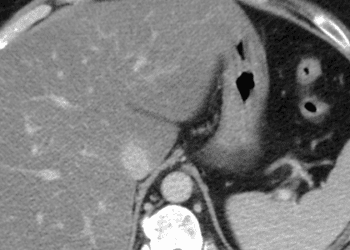
Image: PD

©2022 2 Minute Medicine, Inc. All rights reserved. No works may be reproduced without expressed written consent from 2 Minute Medicine, Inc. Inquire about licensing here. No article should be construed as medical advice and is not intended as such by the authors or by 2 Minute Medicine, Inc.

Tags: cardiovascular diseasecardiovascular risksugarsugar sweetened beverages
Previous Post

Non-severe tuberculosis in children can be treated with a shorter 4-month regimen

Next Post

Garadacimab significantly reduces frequency of hereditary angioedema exacerbations

RelatedReports

Fatty liver disease may independently predict high-risk coronary disease
Cardiology

Weight loss is associated with improved vascular function in patients with metabolic dysfunction-associated steatotic liver disease

August 21, 2026
2MM: AI Roundup- AI Cancer Test, Smarter Hospitals, Faster Drug Discovery, and Mental Health Tech [May 2nd, 2025]
AI Roundup

2MM: AI Roundup: NHS England expands Microsoft Copilot nationwide, ARPA-H advances autonomous cardiovascular AI, FDA advisors back Moderna’s mRNA influenza vaccine, and UpDoc earns first clearance for a patient-facing large language model

July 22, 2026
Quick Take: Influence of HIV Infection on the Natural History of Hepatocellular Carcinoma: Results From a Global Multicohort Study
All Specialties

High intake of sugar-sweetened beverages is associated with increased risk of hepatocellular carcinoma

June 19, 2026
Jessica Lau
Psychiatry

WHO launches 2026 global initiative to bridge the schizophrenia mortality gap

April 30, 2026
Next Post

Garadacimab significantly reduces frequency of hereditary angioedema exacerbations

Patients with low back pain or pain at multiple sites at highest risk for chronic opioid use

Wellness Check: Addictions

Ribociclib plus letrozole provides greater overall survival benefit advanced breast cancer

2 Minute Medicine® is an award winning, physician-run, expert medical media company. Our content is curated, written and edited by practicing health professionals who have clinical and scientific expertise in their field of reporting. Our editorial management team is comprised of highly-trained MD physicians. Join numerous brands, companies, and hospitals who trust our licensed content.

Recent Reports

  • Dementia diagnosis underreporting is common and associated with reduced care engagement
  • A landmark court ruling was associated with increased travel across state borders for abortion care
  • Older married couples demonstrate domain-specific cognitive concordance 
License Content
Terms of Use | Disclaimer
Cookie Policy
Privacy Statement (EU)
Disclaimer
Cleantalk Pixel
  • Specialties
    • All Specialties, All Recent Reports
    • Cardiology
    • Chronic Disease
    • Dermatology
    • Emergency
    • Endocrinology
    • Gastroenterology
    • Imaging and Intervention
    • Infectious Disease
    • Nephrology
    • Neurology
    • Obstetrics
    • Oncology
    • Ophthalmology
    • Pediatrics
    • Pharma
    • Preclinical
    • Psychiatry
    • Public Health
    • Pulmonology
    • Rheumatology
    • Surgery
  • Tools
    • EvidencePulse™
    • HypeCheck™
    • NPI Registry Lookup
    • RVU Search
  • Pharma
  • AI News
  • The Scan
  • Classics™
    • 2MM+ Online Access
    • Paperback and Ebook
  • Rewinds
  • Partners
    • License Content
    • Submit Press Release
    • Advertise with Us
  • Account
    • Subscribe
    • Cart
    • Sign-in
    • My account
No Result
View All Result

© 2026 2 Minute Medicine, Inc. - Physician-written medical news.