• About
  • Masthead
  • License Content
  • Advertise
  • Submit Press Release
  • RSS/Email List
  • 2MM Podcast
  • Write for us
  • Contact Us
2 Minute Medicine
No Result
View All Result

No products in the cart.

SUBSCRIBE
  • Specialties
    • All Specialties, All Recent Reports
    • Cardiology
    • Chronic Disease
    • Dermatology
    • Emergency
    • Endocrinology
    • Gastroenterology
    • Imaging and Intervention
    • Infectious Disease
    • Nephrology
    • Neurology
    • Obstetrics
    • Oncology
    • Ophthalmology
    • Pediatrics
    • Pharma
    • Preclinical
    • Psychiatry
    • Public Health
    • Pulmonology
    • Rheumatology
    • Surgery
  • AI EvidencePulse™
  • Pharma
  • AI News
  • The Scan+
  • Classics™+
    • 2MM+ Online Access
    • Paperback and Ebook
  • Rewinds
  • Podcasts
  • Partners
    • License Content
    • Submit Press Release
    • Advertise with Us
  • Account
    • Subscribe
    • Sign-in
    • My account
2 Minute Medicine
  • Specialties
    • All Specialties, All Recent Reports
    • Cardiology
    • Chronic Disease
    • Dermatology
    • Emergency
    • Endocrinology
    • Gastroenterology
    • Imaging and Intervention
    • Infectious Disease
    • Nephrology
    • Neurology
    • Obstetrics
    • Oncology
    • Ophthalmology
    • Pediatrics
    • Pharma
    • Preclinical
    • Psychiatry
    • Public Health
    • Pulmonology
    • Rheumatology
    • Surgery
  • AI EvidencePulse™
  • Pharma
  • AI News
  • The Scan+
  • Classics™+
    • 2MM+ Online Access
    • Paperback and Ebook
  • Rewinds
  • Podcasts
  • Partners
    • License Content
    • Submit Press Release
    • Advertise with Us
  • Account
    • Subscribe
    • Sign-in
    • My account
SUBSCRIBE
2 Minute Medicine
Subscribe
Home All Specialties Cardiology

Effect of Intensive Blood Pressure Lowering Treatment on Retinal Microvasculature: Secondary Analysis From ESPRIT

byAlex XiangandSimon Pan
October 30, 2025
in Cardiology, Chronic Disease, Ophthalmology, Pharma
Reading Time: 2 mins read
0
Share on FacebookShare on Twitter

1. Intensive systolic blood pressure (SBP) management reduces hypertension-mediated retinal microvascular damage in populations with high cardiovascular risk

Evidence Rating Level: 1 (Excellent)

Hypertension affects the retinal microvasculature by inducing a spectrum of structural and functional changes collectively termed hypertensive retinopathy. Antihypertensive treatment has been shown to slow the progression of hypertensive retinopathy. However, it is unclear if intensive treatment targeting SBP provides additional benefit compared with standard treatment targeting SBP. This multicentre, open-label, randomized controlled trial allocated 2,518 patients (mean age ± SD, 62.7 ± 6.4; 37.8% female) who were at least 50 years of age, had a SBP 130-180 mm Hg, and had an increased cardiovascular risk (defined as having established cardiovascular disease or at least 2 major cardiovascular risk factors) to either intensive treatment (SBP target <120 mm Hg) or standard treatment (SBP target <140 mm Hg) in a 1:1 ratio. Investigators adjusted participants’ antihypertensive medications based on pre-specified algorithms. After 3 years, patients in the intensive arm had significantly increased arteriolar calibre, as demonstrated by a higher arteriole-venule ratio (β = 0.16; 95% CI: 0.05-0.28; P = 0.005). This effect was consistently observed across subgroups. Intensive arm patients also showed significantly increased arteriolar complexity (β = 0.19; 95% CI: 0.08-0.30; P = 0.001) and arteriolar density (β = 0.17; 95% CI: 0.07-0.28; P = 0.002). This study suggests intensive blood pressure management reduces hypertension-mediated retinal microvasculature damage in populations with high cardiovascular risk. These findings contribute to emerging evidence that intensive blood pressure management may be beneficial compared to standard management in certain populations.

Click here to read this study in The Journal of the American College of Cardiology

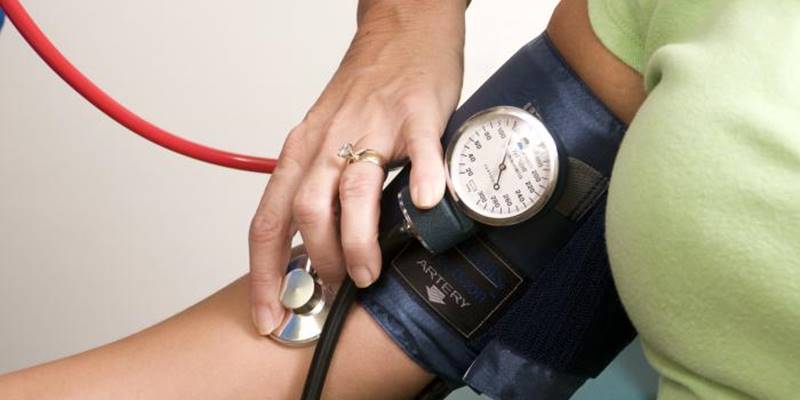
Image: PD

©2025 2 Minute Medicine, Inc. All rights reserved. No works may be reproduced without expressed written consent from 2 Minute Medicine, Inc. Inquire about licensing here. No article should be construed as medical advice and is not intended as such by the authors or by 2 Minute Medicine, Inc.

RELATED REPORTS

Smaller infarct size with ticagrelor vs. clopidogrel in STEMI patients: Insights from cardiac magnetic resonance

Longer bouts of exercise may be associated with decreased mortality and cardiovascular disease

2 Minute Medicine Rewind Oct 27, 2025

Tags: #cardiologyantihypertensivescardiovascular riskretinasystolic blood pressure
Previous Post

Clopidogrel monotherapy is superior to aspirin for secondary prevention in coronary artery disease

Next Post

Paclitaxel-coated devices do not reduce rates of major amputations in chronic limb-threatening ischemia

RelatedReports

Using HEART score to risk stratify patients with chest pain is safe but underutilized in the ED
Cardiology

Smaller infarct size with ticagrelor vs. clopidogrel in STEMI patients: Insights from cardiac magnetic resonance

November 6, 2025
Home-based walking program an effective treatment for peripheral artery disease
Cardiology

Longer bouts of exercise may be associated with decreased mortality and cardiovascular disease

October 27, 2025
UTI associated with increased risk of preeclampsia
Weekly Rewinds

2 Minute Medicine Rewind Oct 27, 2025

October 27, 2025
Using HEART score to risk stratify patients with chest pain is safe but underutilized in the ED
Cardiology

Twice-Daily Clopidogrel vs Ticagrelor to Reduce Short-Term Major Adverse Cardiovascular Events After Primary Percutaneous Coronary Intervention: The TADCLOT Trial

October 20, 2025
Next Post
Novel biodegradable sirolimus-eluting stents non-inferior to durable everolimus-eluting stents [BIOSCIENCE trial]

Paclitaxel-coated devices do not reduce rates of major amputations in chronic limb-threatening ischemia

Survival greater in cervical cancer patients undergoing abdominal hysterectomy compared to minimally invasive techniques: the LACC trial

Development of a Clinical Prediction Model for Anastomotic Leakage in Colorectal Surgery

Rivaroxaban likely reduces risk of recurrent stroke in specific subgroup of patients with embolic stroke of undetermined source

2 Minute Medicine Rewind November 3rd, 2025

2 Minute Medicine® is an award winning, physician-run, expert medical media company. Our content is curated, written and edited by practicing health professionals who have clinical and scientific expertise in their field of reporting. Our editorial management team is comprised of highly-trained MD physicians. Join numerous brands, companies, and hospitals who trust our licensed content.

Recent Reports

  • Diphenhydramine, Sodium Bicarbonate, or Combination for Acute Peripheral Vertigo
  • 2 Minute Medicine Rewind November 10th, 2025
  • Concomitant use of direct oral anticoagulants and interacting antiarrhythmic drugs and the risk of stroke and bleeding among patients with non-valvular atrial fibrillation: a multinational cohort study
License Content
Terms of Use | Disclaimer
Cookie Policy
Privacy Statement (EU)
Disclaimer

© 2025 2 Minute Medicine, Inc. - Physician-written medical news.

  • Specialties
    • All Specialties, All Recent Reports
    • Cardiology
    • Chronic Disease
    • Dermatology
    • Emergency
    • Endocrinology
    • Gastroenterology
    • Imaging and Intervention
    • Infectious Disease
    • Nephrology
    • Neurology
    • Obstetrics
    • Oncology
    • Ophthalmology
    • Pediatrics
    • Pharma
    • Preclinical
    • Psychiatry
    • Public Health
    • Pulmonology
    • Rheumatology
    • Surgery
  • AI EvidencePulse™
  • Pharma
  • AI News
  • The Scan
  • Classics™
    • 2MM+ Online Access
    • Paperback and Ebook
  • Rewinds
  • Podcasts
  • Partners
    • License Content
    • Submit Press Release
    • Advertise with Us
  • Account
    • Subscribe
    • Sign-in
    • My account
No Result
View All Result

© 2025 2 Minute Medicine, Inc. - Physician-written medical news.