2 Minute Medicine Rewind November 3rd, 2025
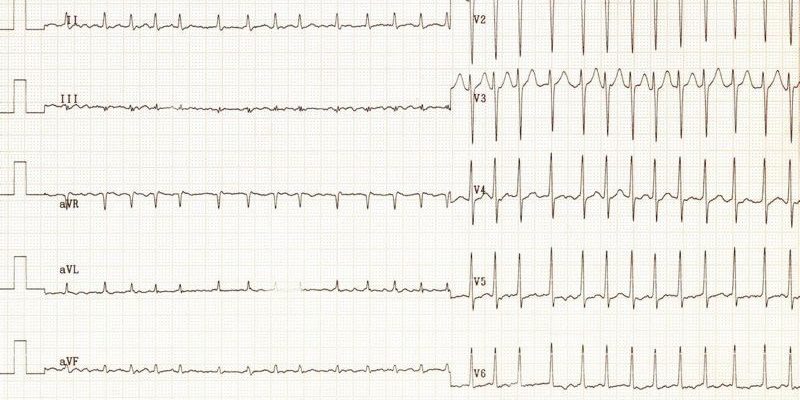
1. In non-valvular atrial fibrillation (NVAF) patients taking DOACs, adding amiodarone, diltiazem, dronedarone, or verapamil does not increase ischemic stroke risk compared with non-interacting antiarrhythmics.
2. These interacting antiarrhythmics do increase major bleeding by about 30%, especially in younger patients and when co-initiated, so closer monitoring or alternative agents should be considered.
Evidence Rating Level: 2 (Good)
Direct oral anticoagulants (DOACs) and certain antiarrhythmic drugs share CYP3A4 and P-glycoprotein pathways, raising concern that coadministration could increase DOAC exposure and alter clinical outcomes in non-valvular atrial fibrillation (NVAF). This multinational cohort study used UK CPRD and Quebec RAMQ data to identify 54,078 adults with NVAF who were taking a DOAC and then initiated an antiarrhythmic; patients receiving interacting agents (amiodarone, diltiazem, dronedarone, verapamil) were compared with those receiving non-interacting agents (flecainide, propafenone, sotalol). Inverse-probability-of-treatment-weighted Cox models and random-effects pooling estimated hazard ratios for ischemic stroke or systemic embolism and for major bleeding. Use of interacting antiarrhythmics was not associated with a higher risk of ischemic stroke or TIA/systemic embolism versus non-interacting drugs (pooled HR 1.04, 95% CI 0.88–1.21). By contrast, concomitant interacting therapy increased major bleeding (pooled HR 1.30, 95% CI 1.19–1.41), largely from gastrointestinal and other extracranial sites, with a stronger association in patients younger than 70 years and in those co-initiated on both drugs. The authors conclude that while the effectiveness of DOACs is preserved, clinicians should preferentially select non-interacting rhythm or rate control agents, or intensify bleeding surveillance and gastroprotection, when interacting agents are necessary. These findings were consistent across databases and multiple sensitivity analyses and subgroups.
1. Ticagrelor led to a smaller 30-day cardiac magnetic resonance (CMR)-defined infarct size than clopidogrel in pharmaco-invasive STEMI.
Evidence Rating Level: 1 (Excellent)
This randomized, open-label BATTLE-AMI trial evaluated whether ticagrelor reduces infarct size compared with clopidogrel in ST-segment elevation myocardial infarction (STEMI) patients treated with a pharmaco-invasive strategy. Adults (n=225) who received tenecteplase within 6 hours of symptom onset and underwent coronary angiography/PCI within 24 hours were randomized 1:1 to ticagrelor 90 mg twice daily or clopidogrel 75 mg daily, in addition to guideline-directed therapy. Cardiac magnetic resonance at 30 days was the primary endpoint. Baseline clinical and angiographic characteristics and reperfusion timings were comparable. Ticagrelor was associated with significantly smaller infarcted LV mass (median 12 g vs 17 g; 11% vs 16% LV mass; p=0.012 and p=0.008) and a trend to higher LVEF, despite similar TIMI flow, myocardial blush, and concomitant therapies. Early hs-troponin T and hs-CRP were lower with ticagrelor, suggesting less myocardial injury and inflammation. However, the study was not powered for clinical events and follow-up was limited to 30 days. The authors conclude ticagrelor may confer myocardial protection beyond platelet inhibition in pharmaco-invasively managed STEMI.
1. Men with idiopathic pulmonary fibrosis (IPF) have a higher comorbidity burden, worse baseline lung function, and shorter survival, with IHD and reduced FVC/DLCO driving mortality.
2. In women with IPF, delayed presentation and impaired gas transfer—rather than FVC—appear to be the dominant prognostic factors.
Evidence Rating Level: 2 (Good)
Idiopathic pulmonary fibrosis (IPF) is a progressive interstitial lung disease with worse outcomes in men, but sex-specific prognostic data are limited. This retrospective cohort study analysed 6,666 IPF patients from the British Thoracic Society UK IPF/ILD Registry (2013–2024) to compare baseline characteristics, comorbidities, treatment and survival between men and women. Investigators collected demographics, smoking history, comorbidities, lung function, imaging and therapy data, and used sex-stratified Cox proportional hazards models to identify survival predictors. Men (78%) had greater smoking exposure and higher rates of ischaemic heart disease and diabetes, presented with lower FVC, and were more frequently treated with antifibrotics. In men, older age, ischaemic heart disease, and lower FVC and DLCO predicted poorer survival, while hiatus hernia was unexpectedly protective. In women, symptom duration >12 months, baseline oxygen requirement and lower DLCO were associated with worse survival, whereas gastro-oesophageal reflux disease predicted better outcomes. Women had longer median survival than men (11.6 vs 8.3 years). The authors conclude that IPF demonstrates clinically meaningful sex differences and that management should incorporate gender-specific risk profiles. Prospective studies are needed to confirm these signals and explore underlying biological mechanisms and health-system factors.
1. Regional anesthesia, including combined anterior and posterior blocks, did not impair 6-month functional recovery after adolescent ACL reconstruction.
2. Patient age, sex, early pain control, and preoperative psychological health were stronger determinants of recovery than block type.
Evidence Rating Level: 2 (Good)
Adolescent anterior cruciate ligament reconstruction (ACLR) frequently incorporates regional anesthesia, but its effect on functional recovery is unclear. This multicenter prospective registry from 15 SPAIN institutions enrolled 519 patients aged 12–17 undergoing ACLR to examine whether peripheral nerve block (PNB) use or type influenced recovery. Patients completed Lysholm Knee Scores on postoperative day (POD) 1, POD 3, week 6 and month 6, and a single-hop Limb Symmetry Index (LSI) at 6–9 months. Lysholm scores improved in all groups; at week 6, those receiving combined anterior and posterior blocks had slightly higher function than those with no or anterior-only block (median 83 vs 78; p=0.041), but by month 6, scores were comparable and in the good–excellent range. Two-thirds (67%) attained LSI ≥90%, indicating readiness for return to sport, and PNB type was not associated with LSI. Younger age, female sex, higher early postoperative pain, and preoperative anxiety/depression predicted lower short-term functional scores. Recovery appeared more strongly driven by developmental and psychological factors than by anesthetic technique. These findings support counseling families that block choice should prioritize analgesia without concern for delayed rehabilitation. Further research should refine catheter versus single-shot approaches and address high early pain scores in this population better.
Subcutaneous Dexmedetomidine for Refractory Symptoms in a Hospice Inpatient Unit
1. Dexmedetomidine by subcutaneous infusion can safely improve refractory pain and agitated delirium in hospice patients while maintaining rousable sedation.
2. It may reduce reliance on high-dose opioids/benzodiazepines and, in some cases, postpone the need for palliative sedation therapy.
Evidence Rating Level: 2 (Good)
This retrospective single-centre chart review from a New Zealand hospice evaluated continuous subcutaneous dexmedetomidine for adults with refractory end-of-life symptoms, mainly cancer pain (92%) and agitated delirium (50%). Twenty-six infusions were given to 25 patients between 2019 and 2024 after conventional opioids, benzodiazepines, or antipsychotics proved inadequate. Dexmedetomidine was started at 0.2 mcg/kg/hr and titrated to 1.4 mcg/kg/hr over a median of 4 days. Clinical benefit within 24 hours was reported in 88% of cases, with a median 2-point improvement in RASS-PAL scores, indicating better agitation/sedation control (p=0.0001). Opioid and midazolam requirements often fell in the first 24–48 hours, suggesting an opioid-sparing effect. Adverse effects occurred in 58%, but were mostly mild; significant haemodynamic instability was uncommon despite limited monitoring. The authors conclude that subcutaneous dexmedetomidine is a feasible, well-tolerated option that can relieve distress while preserving rousable sedation and may defer palliative sedation therapy.
Image: PD
©2025 2 Minute Medicine, Inc. All rights reserved. No works may be reproduced without expressed written consent from 2 Minute Medicine, Inc. Inquire about licensing here. No article should be construed as medical advice and is not intended as such by the authors or by 2 Minute Medicine, Inc.