
• About
  • Masthead
  • License Content
  • Advertise
  • Submit Press Release
  • RSS/Email List
  • 2MM Podcast
  • Write for us
  • Contact Us
2 Minute Medicine
No Result
View All Result

No products in the cart.

SUBSCRIBE
  • Specialties
    • All Specialties, All Recent Reports
    • Cardiology
    • Chronic Disease
    • Dermatology
    • Emergency
    • Endocrinology
    • Gastroenterology
    • Imaging and Intervention
    • Infectious Disease
    • Nephrology
    • Neurology
    • Obstetrics
    • Oncology
    • Ophthalmology
    • Pediatrics
    • Pharma
    • Preclinical
    • Psychiatry
    • Public Health
    • Pulmonology
    • Rheumatology
    • Surgery
  • Tools
    • EvidencePulse™
    • RVU Search
    • NPI Registry Lookup
  • Pharma
  • AI News
  • The Scan+
  • Classics™+
    • 2MM+ Online Access
    • Paperback and Ebook
  • Rewinds
  • Partners
    • License Content
    • Submit Press Release
    • Advertise with Us
  • Account
    • Subscribe
    • Sign-in
    • My account
2 Minute Medicine
  • Specialties
    • All Specialties, All Recent Reports
    • Cardiology
    • Chronic Disease
    • Dermatology
    • Emergency
    • Endocrinology
    • Gastroenterology
    • Imaging and Intervention
    • Infectious Disease
    • Nephrology
    • Neurology
    • Obstetrics
    • Oncology
    • Ophthalmology
    • Pediatrics
    • Pharma
    • Preclinical
    • Psychiatry
    • Public Health
    • Pulmonology
    • Rheumatology
    • Surgery
  • Tools
    • EvidencePulse™
    • RVU Search
    • NPI Registry Lookup
  • Pharma
  • AI News
  • The Scan+
  • Classics™+
    • 2MM+ Online Access
    • Paperback and Ebook
  • Rewinds
  • Partners
    • License Content
    • Submit Press Release
    • Advertise with Us
  • Account
    • Subscribe
    • Sign-in
    • My account
SUBSCRIBE
2 Minute Medicine
Subscribe
Home All Specialties Chronic Disease

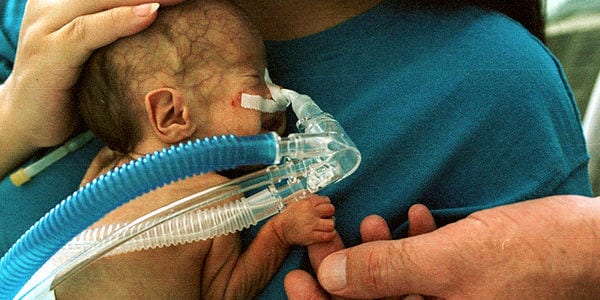
Low birth weight linked to increased risk of type 2 diabetes
byDaniel FisherandRavi Shah
July 24, 2015
in Chronic Disease, Endocrinology, Obstetrics
Reading Time: 3 mins read
0
Share on FacebookShare on Twitter


1. Patients a with low birth weight had a significantly higher chance of developing type 2 diabetes mellitus (DMII) later in life, regardless of pre- versus full-term birth status.

2. Unhealthy lifestyles and low birth weight increased the risk of DMII more than the sum of either indicator alone.

Evidence Rating Level: 1 (Excellent)

Study Rundown: As type 2 diabetes mellitus (DMII) becomes increasingly prevalent globally, efforts to identify and reduce risk of DMII have been researched accordingly. It is well-established that an unhealthy lifestyle, especially one that leads to increased BMI, is associated with an increased risk of DMII. While some studies have also suggested that a low birth weight may predict increased DMII risk, how low birth weight and unhealthy life-styles interact has been sparsely studied. By combining three prospective cohorts, the current study found a graded increase in risk in all cohorts associated with decreasing birth weight. This findings also corroborated past research that aspects of an unhealthy lifestyle also increase the risk of DMII, especially with increasing BMI. Interestingly, the interaction of these two factors accounted for nearly 20% of the increased risk of DMII. Between the three studies, there was a slight increase in risk for women with unhealthy lifestyles and low birth-weight compared to men. Importantly, a sensitivity analysis taking into account pre- versus full-term birth weights did not change the findings of this study.

As medicine continues to refine the contributions of various risk factors to chronic diseases, the likelihood of developing targeted interventions to treat those diseases increases. This study is a thorough and convincing analysis of interaction between two known risk factors for DMII. However, while it seems very likely that low-birth weight predisposes individuals towards later development of DMII, it is still unknown how birth weight affects DMII development mechanistically and how targeted interventions could be developed for patients with low birth weight. Future randomized controlled studies will help elucidate the latter of these two concerns.

RELATED REPORTS

2 Minute Medicine Rewind January 19, 2026

Cardiac arrhythmias may be common among hospitalized adults with COVID-19 and no structural heart disease

Smoking and prior acute pancreatitis attacks are risk factors for poor glycemic control in patients with post-chronic pancreatitis diabetes

Click to read the study in the BMJ

Relevant Reading: Birth weight and risk of Type II Diabetes: A systematic review

In-Depth [prospective cohort]: Three studies, the Nurses’ Health Study I and II and the Health Professional Follow-Up Study, were used to generate a cohort of 149,794 patients with follow-up periods of 20-30 years. Patients were free of cardiovascular disease, DM and cancer at baseline and information about physical activity, diet, and smoking and alcohol use were available during follow-up. Using the middle birthweight category (3.16 – 3.82 kg) as a reference, patients in the lowest birth weight category (<2.5kg) had a Relative Risk of (RR) of 1.49 (CI95 1.39 – 1.60) and 1.55 (CI95 1.46-1.64) after adjusting for BMI across all three studies. When looking at the joint increase in RR, the attributable portions of the risk were 22% (CI95 18.3 – 26.4%) to birth weight alone, 59% to unhealthy lifestyles (CI95 57.1 – 61.5%), and 18% (CI95 13.9 – 21.3%) to the combination of the two. By gender, the attributable risk of unhealthy lifestyle factors and low birth weight was 94% in women and 81% in men. However, the comparisons between men and women were derived from different studies and systemic differences in study design or implementation could also explain the differences. Similar associations for low birth weight and DMII risk were found after sensitivity analysis incorporating pre- and full-term birth status.

Image: PD

©2015 2 Minute Medicine, Inc. All rights reserved. No works may be reproduced without expressed written consent from 2 Minute Medicine, Inc. Inquire about licensing here. No article should be construed as medical advice and is not intended as such by the authors or by 2 Minute Medicine, Inc.

Tags: diabetes
Previous Post

Artificially sweetened beverage consumption may increase risk of type 2 diabetes

Next Post

Daily reading habits may be associated with higher surgery in-training examination performance

RelatedReports

Reduced venous recanalization after acute deep vein thrombosis associated with post-thrombotic syndrome
Weekly Rewinds

2 Minute Medicine Rewind January 19, 2026

January 19, 2026
Novel coronavirus identified from patients with pneumonia in Wuhan, China
Cardiology

Cardiac arrhythmias may be common among hospitalized adults with COVID-19 and no structural heart disease

January 13, 2026
Mild-to-moderate hypertriglyceridemia associated with higher risk of acute pancreatitis
Chronic Disease

Smoking and prior acute pancreatitis attacks are risk factors for poor glycemic control in patients with post-chronic pancreatitis diabetes

January 13, 2026
Rectal indomethacin dose escalation for prevention of pancreatitis after endoscopic retrograde cholangiopancreatography in high-risk patients
Weekly Rewinds

2 Minute Medicine Rewind October 6, 2025

October 6, 2025
Next Post
Daily reading habits may be associated with higher surgery in-training examination performance

Daily reading habits may be associated with higher surgery in-training examination performance

Home use of mifepristone safe and effective

Adjunctive mifepristone superior cervical preparation

Increased rates of hospitalization among survivors of young adult malignancies

Increased rates of hospitalization among survivors of young adult malignancies

2 Minute Medicine® is an award winning, physician-run, expert medical media company. Our content is curated, written and edited by practicing health professionals who have clinical and scientific expertise in their field of reporting. Our editorial management team is comprised of highly-trained MD physicians. Join numerous brands, companies, and hospitals who trust our licensed content.

Recent Reports

  • An electronic intervention may increase chances of benzodiazepine cessation
  • Fremanezumab reduces migraine frequency in children and adolescents with episodic migraine
  • Illumina’s billion cell atlas tries to solve artificial intelligence’s data bottleneck in biology
License Content
Terms of Use | Disclaimer
Cookie Policy
Privacy Statement (EU)
Disclaimer

© 2025 2 Minute Medicine, Inc. - Physician-written medical news.

  • Specialties
    • All Specialties, All Recent Reports
    • Cardiology
    • Chronic Disease
    • Dermatology
    • Emergency
    • Endocrinology
    • Gastroenterology
    • Imaging and Intervention
    • Infectious Disease
    • Nephrology
    • Neurology
    • Obstetrics
    • Oncology
    • Ophthalmology
    • Pediatrics
    • Pharma
    • Preclinical
    • Psychiatry
    • Public Health
    • Pulmonology
    • Rheumatology
    • Surgery
  • Tools
    • EvidencePulse™
    • RVU Search
    • NPI Registry Lookup
  • Pharma
  • AI News
  • The Scan
  • Classics™
    • 2MM+ Online Access
    • Paperback and Ebook
  • Rewinds
  • Partners
    • License Content
    • Submit Press Release
    • Advertise with Us
  • Account
    • Subscribe
    • Sign-in
    • My account
No Result
View All Result

© 2025 2 Minute Medicine, Inc. - Physician-written medical news.