• About
  • Masthead
  • License Content
  • Advertise
  • Submit Press Release
  • RSS/Email List
  • 2MM Podcast
  • Write for us
  • Contact Us
2 Minute Medicine
No Result
View All Result

No products in the cart.

SUBSCRIBE
  • About
  • Specialties
    • All Specialties, All Recent Reports
    • Cardiology
    • Chronic Disease
    • Dermatology
    • Emergency
    • Endocrinology
    • Gastroenterology
    • Imaging and Intervention
    • Infectious Disease
    • Nephrology
    • Neurology
    • Obstetrics
    • Oncology
    • Ophthalmology
    • Pediatrics
    • Pharma
    • Preclinical
    • Psychiatry
    • Public Health
    • Pulmonology
    • Rheumatology
    • Surgery
  • Tools+
    • EvidencePulse™
    • HypeCheck™
    • NPI Registry Lookup
    • RVU Search
  • Pharma
  • AI Roundup
  • The Scan+
  • Classics™+
    • 2MM+ Online Access
    • Paperback and Ebook
  • Rewinds
  • Partners
    • License Content
    • Submit Press Release
    • Advertise with Us
  • Account
    • Subscribe
    • My account
    • Cart
    • Sign-in
2 Minute Medicine
  • About
  • Specialties
    • All Specialties, All Recent Reports
    • Cardiology
    • Chronic Disease
    • Dermatology
    • Emergency
    • Endocrinology
    • Gastroenterology
    • Imaging and Intervention
    • Infectious Disease
    • Nephrology
    • Neurology
    • Obstetrics
    • Oncology
    • Ophthalmology
    • Pediatrics
    • Pharma
    • Preclinical
    • Psychiatry
    • Public Health
    • Pulmonology
    • Rheumatology
    • Surgery
  • Tools+
    • EvidencePulse™
    • HypeCheck™
    • NPI Registry Lookup
    • RVU Search
  • Pharma
  • AI Roundup
  • The Scan+
  • Classics™+
    • 2MM+ Online Access
    • Paperback and Ebook
  • Rewinds
  • Partners
    • License Content
    • Submit Press Release
    • Advertise with Us
  • Account
    • Subscribe
    • My account
    • Cart
    • Sign-in
SUBSCRIBE
2 Minute Medicine
Subscribe
Home All Specialties Chronic Disease

Low body-mass index associated with increased risk of dementia

byXiaozhou Liu
April 24, 2015
in Chronic Disease, Neurology, Psychiatry
Reading Time: 2 mins read
START intervention for dementia caregivers linked to reduction of depression symptoms
Share on FacebookShare on Twitter

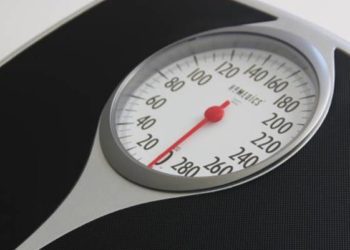
1. In this retrospective cohort study, being underweight during middle and old ages was associated with an increased risk of dementia; whereas very obese people had a lower risk of dementia.

2. After adjusting for age and sex, all-cause mortality was highest in underweight and very obese populations.

Evidence Rating Level: 2 (Good)

Study Rundown: Dementia is a decline in mental functions beyond expected age-related changes and affects an elderly individual’s ability to carry out activities of daily living (ADLs). The condition has variable clinical courses, but is typically irreversible and significantly impacts the quality of life for both the patients and their care-givers. Previous studies have linked obesity to an increased risk of dementia. In this retrospective cohort study, Qizilbash et al. explored whether the same held true for underweight populations. The study analyzed the link between body weight and diagnoses of dementia in 2 million people. The study observed a 34% increase in the risk of dementia in underweight people (BMI < 20 kg/m2) compared to people of healthy weights; whereas the risk was 29% lower for very obese people. The statistical analyses was strengthened by the large number of participants in the study. However, this retrospective cohort study was not designed to establish causal links. Public health implications of the results remain to be seen.

The study had no funding.

Click to read the study in the Lancet Diabetes & Endocrinology

RELATED REPORTS

Newer GLP-1 agents yield substantial weight loss in nondiabetic adults

Sleep restriction promotes weight gain in high-risk adults 

Biweekly glucagon-like peptide-1 receptor agonist bofanglutide improves glycemic control

Relevant Reading: The projected effect of risk factor reduction on Alzheimer’s disease prevalence

In-Depth [retrospective cohort]: This study assessed the link between low body weight during middle and old ages with the risks of subsequently developing dementia. The authors drew body height and weight information from the Clinical Practice Research Datalink (CPRD). A patient was classified as having dementia if s/he carried a diagnosis of dementia, Alzheimer, Lewy body disease, or Pick’s disease, or if dementia was recorded on a death certificate. The final analyses included 1958191 people (18786640 person-years of follow up). Being underweight was defined as body-weight index under 20 kg/m2.

Compared with people of healthy weight, underweight people had a 34% (95% confidence interval, CI, 29-38) excess risk of dementia. Very obese people (BMI≥40 kg/m2) had a 29% (95% CI, 22-36) lower risk of dementia. All-cause mortality as related to BMI was J-shaped, with the highest mortality rates among the underweight people (rate ratio 1.53, 95% CI 1.51-1.55) and very obese people (BMI≥40 kg/m2, rate ratio 1.57, 95% CI 1.53-1.62). Sensitivity analysis indicated that the increased mortality rate in obese people did not explain their low dementia risk.

Image: PD

©2015 2 Minute Medicine, Inc. All rights reserved. No works may be reproduced without expressed written consent from 2 Minute Medicine, Inc. Inquire about licensing here. No article should be construed as medical advice and is not intended as such by the authors or by 2 Minute Medicine, Inc.

Tags: BMI
Previous Post

Evolocumab plus standard therapy reduces LDL, cardiovascular events compared to standard anti-cholesterol therapy alone [OSLER-1 & OSLER-2 Trials]

Next Post

Alirocumab linked to significant and sustained reduction in LDL cholesterol [ODYSSEY LONG TERM]

RelatedReports

Increasing maternal BMI linked to higher risk of cerebral palsy
Endocrinology

Newer GLP-1 agents yield substantial weight loss in nondiabetic adults

August 31, 2026
Sleep duration inversely related to childhood type 2 diabetes risk makers
Chronic Disease

Sleep restriction promotes weight gain in high-risk adults 

July 6, 2026
Endocrinology

Biweekly glucagon-like peptide-1 receptor agonist bofanglutide improves glycemic control

June 29, 2026
Survival greater in cervical cancer patients undergoing abdominal hysterectomy compared to minimally invasive techniques: the LACC trial
Cardiology

Body mass index and in-hospital mortality have a U-shaped relationship among critically ill cardiac surgery patients

January 13, 2026
Next Post

Alirocumab linked to significant and sustained reduction in LDL cholesterol [ODYSSEY LONG TERM]

Classics Series, Landmark Trials in Medicine

The PROSEVA trial: Proning in severe ARDS [Classics Series]

Classics Series, Landmark Trials in Medicine

The ORACLE trial: Antibiotics for preterm, prelabor rupture of membranes [Classics Series]

EvidencePulse™ by 2 Minute Medicine 2026 evidence scan 3 reports You asked top stroke trials 2026 Synthesizing medical evidence... Top 2026 stroke trial results: OCEANIC — ischemic stroke: 6.2% vs 8.4% OPTION* — mRS 0–1: 43.6% vs 34.2% ORIENTAL* — mRS 0–2: 58.6% vs 46.6% *Higher sICH in intervention arms Participants randomizedN OCEANIC 12,327 OPTION 570 ORIENTAL 564 Ask about guidelines or landmark trials... ↑ Try EvidencePulse™ Ask the evidence.
Get the signal.
Try it now → Physician-trained medical AI by 2 Minute Medicine

2MM+ All Access

Full details →
$4.99 /month

5-day free trial · cancel anytime

  • ✓100+ physician-written reports
  • ✓EvidencePulse™ + HypeCheck™
  • ✓Ad-free reading + newsletters
Start 5-day free trial

Then $4.99/month. Manage renewal in your account.

2 Minute Medicine® is an award winning, physician-run, expert medical media company. Our content is curated, written and edited by practicing health professionals who have clinical and scientific expertise in their field of reporting. Our editorial management team is comprised of highly-trained MD physicians. Join numerous brands, companies, and hospitals who trust our licensed content.

Recent Reports

  • Molecularly guided therapy may improve outcomes in patients with unfavourable cancer of unknown primary compared with standard chemotherapy
  • Methadone initiation linked to lower mortality compared to buprenorphine-naloxone after opioid overdose
  • Continuous femoral nerve block is not superior to continuous adductor canal block for postoperative pain following ACL reconstruction
License Content
Terms of Use | Disclaimer
Cookie Policy
Cleantalk Pixel
  • About
  • Specialties
    • All Specialties, All Recent Reports
    • Cardiology
    • Chronic Disease
    • Dermatology
    • Emergency
    • Endocrinology
    • Gastroenterology
    • Imaging and Intervention
    • Infectious Disease
    • Nephrology
    • Neurology
    • Obstetrics
    • Oncology
    • Ophthalmology
    • Pediatrics
    • Pharma
    • Preclinical
    • Psychiatry
    • Public Health
    • Pulmonology
    • Rheumatology
    • Surgery
  • Tools
    • EvidencePulse™
    • HypeCheck™
    • NPI Registry Lookup
    • RVU Search
  • Pharma
  • AI Roundup
  • The Scan
  • Classics™
    • 2MM+ Online Access
    • Paperback and Ebook
  • Rewinds
  • Partners
    • License Content
    • Submit Press Release
    • Advertise with Us
  • Account
    • Subscribe
    • My account
    • Cart
    • Sign-in
No Result
View All Result

© 2026 2 Minute Medicine, Inc. - Physician-written medical news.

2MM+ All Access Full details →

The medical literature, distilled daily.

Monthly plan selected: $4.99 /month.

$4.99/month

5-day free trial · cancel anytime

Start 5-day free trial

Then $4.99/month. Manage renewal in your account.

Yearly plan selected: $49.90 /year.

$49.90/year

2 months free · only $4.16/month

Start 5-day free trial

Then $49.90/year. Manage renewal in your account.

Membership benefits

  • ✓100+ physician-written reports
  • ✓AI EvidencePulse™ + HypeCheck™
  • ✓Ad-free reading + newsletters

Already a member? Sign in