

• About
  • Masthead
  • License Content
  • Advertise
  • Submit Press Release
  • RSS/Email List
  • 2MM Podcast
  • Write for us
  • Contact Us
2 Minute Medicine
No Result
View All Result

No products in the cart.

SUBSCRIBE
  • About
  • Specialties
    • All Specialties, All Recent Reports
    • Cardiology
    • Chronic Disease
    • Dermatology
    • Emergency
    • Endocrinology
    • Gastroenterology
    • Imaging and Intervention
    • Infectious Disease
    • Nephrology
    • Neurology
    • Obstetrics
    • Oncology
    • Ophthalmology
    • Pediatrics
    • Pharma
    • Preclinical
    • Psychiatry
    • Public Health
    • Pulmonology
    • Rheumatology
    • Surgery
  • Tools+
    • EvidencePulse™
    • HypeCheck™
    • NPI Registry Lookup
    • RVU Search
  • Pharma
  • AI Roundup
  • The Scan+
  • Classics™+
    • 2MM+ Online Access
    • Paperback and Ebook
  • Rewinds
  • Partners
    • License Content
    • Submit Press Release
    • Advertise with Us
  • Account
    • Subscribe
    • My account
    • Cart
    • Sign-in
2 Minute Medicine
  • About
  • Specialties
    • All Specialties, All Recent Reports
    • Cardiology
    • Chronic Disease
    • Dermatology
    • Emergency
    • Endocrinology
    • Gastroenterology
    • Imaging and Intervention
    • Infectious Disease
    • Nephrology
    • Neurology
    • Obstetrics
    • Oncology
    • Ophthalmology
    • Pediatrics
    • Pharma
    • Preclinical
    • Psychiatry
    • Public Health
    • Pulmonology
    • Rheumatology
    • Surgery
  • Tools+
    • EvidencePulse™
    • HypeCheck™
    • NPI Registry Lookup
    • RVU Search
  • Pharma
  • AI Roundup
  • The Scan+
  • Classics™+
    • 2MM+ Online Access
    • Paperback and Ebook
  • Rewinds
  • Partners
    • License Content
    • Submit Press Release
    • Advertise with Us
  • Account
    • Subscribe
    • My account
    • Cart
    • Sign-in
SUBSCRIBE
2 Minute Medicine
Subscribe
Home All Specialties Cardiology

Novel mTOR inhibitor may prolong heart transplant survival in mice

bySarah StapletonandChaz Carrier
August 7, 2014
in Cardiology, Chronic Disease, Surgery
Reading Time: 3 mins read
Mediterranean diet linked to reduced diabetes risk in high risk cardiovascular patients
Share on FacebookShare on Twitter

1. Chemotherapy agent AZD80559, a competitive mTOR inhibitor, suppressed T cell proliferation in vitro more effectively than Rapamycin. 

2. Like Rapamycin, AZD80559 increased cardiac allograft survival when compared with graft survival in mice having received no immunosuppressive therapy. 

Evidence Rating Level: 2 (Good) 

Study Rundown: Transplant rejection is mediated by a strong host immune response against the graft and immunosuppressive therapies have been shown to decrease acute rejection events. One such agent is Rapamycin (Rapa), which blocks T- and B-cell activation by inhibiting the pathway of the immune regulator mTOR through binding of the mTOR complex I. Recent studies have shown that Rapa inhibition of mTOR is somewhat incomplete, as mTOR complex 2, which is not blocked by Rapa, may also play a role in immune cell activation. Alternatively, ATP-competitive mTOR inhibitors block both mTOR complexes and thus may suppress Rapa-resistant immune responses against transplants.

This study investigated  the role of AZ, an ATP-competitive mTOR inhibitor, in suppressing T cell proliferation in vitro and in improving murine cardiac allograft survival in vivo. The authors found that AZ treatment was more effective than Rapa at preventing CD4+ and CD8+ T cell proliferation when compared at concentrations greater than 200nM. In the cardiac allograft mouse model, a 10-day course of AZ promoted long-term (> 80 days) graft survival in 20% of recipients. This result was not significantly different when compared to Rapa results (50% long-term survival), but was significantly better than those for mice having received no immunosuppressive therapy (0% long-term survival). Both AZ and Rapa therapy led to increased populations of regulatory T cells (T-Regs) and decreased T cell cytokine production.  This study highlights a potential future role for ATP-competitive mTOR inhibitor in increasing graft survival either through combination therapies or improved pharmacokinetics. Phase I trails AZ and AZD2014 (improved pharmacokinetics) to investigate inhibition of cancer progression are currently underway and may provide further insight into ATP-competitive mTOR inhibitors mechanisms of action.

Click to read the study in the American Journal of Transplantation

RELATED REPORTS

2 Minute Medicine Rewind July 20, 2026

Polycythemia is not associated with increased mortality in heart failure

Early surgical valve replacement offers survival benefit in asymptomatic, very severe aortic stenosis

Relevant Reading: An ATP-competitive mammalian target of rapamycin inhibitor reveals rapamycin-resistant functions of mTORC1

In-Depth [animal study]: This study examined the effects of Rapa or AZ treatment on T cell proliferation in vitro and cardiac allograft survival in 8- to 12-week old C57BL/6 or BALB/c male mice. BALB/c to B6 heterotypic heart transplants were performed before a 10-day treatment of either Rapa (2mg/kg loading dose followed by 1 mg/kg delivered once daily intraperitoneally) or AZ (10 mg/kg delivered twice daily intraperitoneally). Plasma levels of AZ and whole blood levels of Rapa were collected. Graft rejection was determined by full cessation of cardiac contraction and confirmed with histology. Evaluation of immune cells and graft histology were performed for mice sacrificed at days 10-11, 20 or 80.

CD8+ and CD4+ T cell proliferation in vitro was evaluated under treatments of AZ or Rapa at concentrations ranging 1.95 to 1000 nM. At concentrations greater than 200nM, AZ was significantly more effective at suppressing T cell proliferation when compared to Rapa (n = 3-4 experiments, p < 0.05). In subsequent the in vivo studies, mouse plasma levels of AZ were measured at ≥ 200 nM. Both AZ and Rapa significantly increased allograft survival when compared to no immunosuppressive therapy (p < 0.001). Median graft survival time was 28 days following AZ therapy and 68 days following Rapa therapy, though this difference was not significant (p=0.26). Without immunosuppressive therapy no long-term (>80 days) graft survival was achieved, whereas 80% of Rapa recipients and 20% of AZ recipients achieved long-term survival.

More from this author: The 3C Study: Alemtuzumab may reduce acute rejection following kidney transplant, Paclitaxel-coated balloons may decrease bronchial stenosis in lung transplants,Chemokines in cardiac allografts promote graft rejection in mice, Modulating lymphocyte populations decreases graft rejection in mice,Adding Evolocumab to statin therapy further decreases LDL-C levels

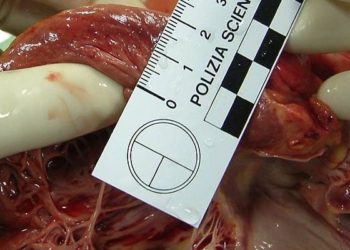
Image: PD

©2012-2014 2minutemedicine.com. All rights reserved. No works may be reproduced without expressed written consent from 2minutemedicine.com. Disclaimer: We present factual information directly from peer reviewed medical journals. No post should be construed as medical advice and is not intended as such by the authors, editors, staff or by 2minutemedicine.com. PLEASE SEE A HEALTHCARE PROVIDER IN YOUR AREA IF YOU SEEK MEDICAL ADVICE OF ANY SORT.
Tags: heart failureSirolimus (rapamycin)transplant
Previous Post

Corticosteroids and physical therapy equally effective for shoulder impingement syndrome

Next Post

Smoking bans in prisons associated with reduced prisoner mortality

RelatedReports

Remote patient monitoring did not reduce heart failure readmissions: The BEAT-HF trial
Weekly Rewinds

2 Minute Medicine Rewind July 20, 2026

July 20, 2026
Remote patient monitoring did not reduce heart failure readmissions: The BEAT-HF trial
Cardiology

Polycythemia is not associated with increased mortality in heart failure

April 28, 2026
Imaging biomarkers may improve prediction of aortic valve stenosis
Cardiology

Early surgical valve replacement offers survival benefit in asymptomatic, very severe aortic stenosis

April 3, 2026
Engineered stem cells mitigate liver damage caused by radiation [PreClinical]
All Specialties

Yartemlea (narsoplimab-wuug) improves platelets hemolysis organ function hematopoietic stem cell transplant–associated thrombotic microangiopathy transplant patients

January 15, 2026
Next Post
Adolescent smoking heavily influenced by parents and siblings

Smoking bans in prisons associated with reduced prisoner mortality

Androgen deprivation in prostate cancer: intermittent may compromise survival

Prostate cancer screening shows reduction in mortality after 13 year follow-up [ERSPC trial]

Patient transfers to trauma centers often unnecessary

Centralized stroke care linked to improved mortality and reduced length of stay

EvidencePulse™ by 2 Minute Medicine 2026 evidence scan 3 reports You asked top stroke trials 2026 Synthesizing medical evidence... Top 2026 stroke trial results: OCEANIC — ischemic stroke: 6.2% vs 8.4% OPTION* — mRS 0–1: 43.6% vs 34.2% ORIENTAL* — mRS 0–2: 58.6% vs 46.6% *Higher sICH in intervention arms Participants randomizedN OCEANIC 12,327 OPTION 570 ORIENTAL 564 Ask about guidelines or landmark trials... ↑ Try EvidencePulse™ Ask the evidence.
Get the signal.
Try it now → Physician-trained medical AI by 2 Minute Medicine

2MM+ All Access

Full details →
$4.99 /month

5-day free trial · cancel anytime

  • ✓100+ physician-written reports
  • ✓EvidencePulse™ + HypeCheck™
  • ✓Ad-free reading + newsletters
Start 5-day free trial

Then $4.99/month. Manage renewal in your account.

2 Minute Medicine® is an award winning, physician-run, expert medical media company. Our content is curated, written and edited by practicing health professionals who have clinical and scientific expertise in their field of reporting. Our editorial management team is comprised of highly-trained MD physicians. Join numerous brands, companies, and hospitals who trust our licensed content.

Recent Reports

  • Apixaban (Eliquis) is associated with reduced rates of ischemic stroke and bleeding in patients with atrial fibrillation and advanced chronic kidney disease compared with warfarin (Coumadin)
  • Artificial intelligence based clinical exam training significantly improved medical students’ standardized clinical exam performance
  • Universal Health Services acquisition of Talkspace connects virtual and inpatient behavioral care
License Content
Terms of Use | Disclaimer
Cookie Policy
Cleantalk Pixel
2MM+ All Access Full details →

The medical literature, distilled daily.

Monthly plan selected: $4.99 /month.

$4.99/month

5-day free trial · cancel anytime

Start 5-day free trial

Then $4.99/month. Manage renewal in your account.

Yearly plan selected: $49.90 /year.

$49.90/year

2 months free · only $4.16/month

Start 5-day free trial

Then $49.90/year. Manage renewal in your account.

Membership benefits

  • ✓100+ physician-written reports
  • ✓AI EvidencePulse™ + HypeCheck™
  • ✓Ad-free reading + newsletters

Already a member? Sign in

  • About
  • Specialties
    • All Specialties, All Recent Reports
    • Cardiology
    • Chronic Disease
    • Dermatology
    • Emergency
    • Endocrinology
    • Gastroenterology
    • Imaging and Intervention
    • Infectious Disease
    • Nephrology
    • Neurology
    • Obstetrics
    • Oncology
    • Ophthalmology
    • Pediatrics
    • Pharma
    • Preclinical
    • Psychiatry
    • Public Health
    • Pulmonology
    • Rheumatology
    • Surgery
  • Tools
    • EvidencePulse™
    • HypeCheck™
    • NPI Registry Lookup
    • RVU Search
  • Pharma
  • AI Roundup
  • The Scan
  • Classics™
    • 2MM+ Online Access
    • Paperback and Ebook
  • Rewinds
  • Partners
    • License Content
    • Submit Press Release
    • Advertise with Us
  • Account
    • Subscribe
    • My account
    • Cart
    • Sign-in
No Result
View All Result

© 2026 2 Minute Medicine, Inc. - Physician-written medical news.