
• About
  • Masthead
  • License Content
  • Advertise
  • Press Releases
  • Newsroom
  • RSS/Email List
  • 2MM Podcast
  • Write for us
  • Contact Us
2 Minute Medicine
No Result
View All Result

No products in the cart.

Sign in
SUBSCRIBE
  • About
  • Specialties
    • All Specialties, All Recent Reports
    • Cardiology
    • Chronic Disease
    • Dermatology
    • Emergency
    • Endocrinology
    • Gastroenterology
    • Imaging and Intervention
    • Infectious Disease
    • Nephrology
    • Neurology
    • Obstetrics
    • Oncology
    • Ophthalmology
    • Pediatrics
    • Pharma
    • Preclinical
    • Psychiatry
    • Public Health
    • Pulmonology
    • Rheumatology
    • Surgery
    • Rewinds
    • The Scan
  • EvidencePulse™
  • HypeCheck™
  • AI News
  • Classics™
    • 2MM+ Online Access
    • Paperback and Ebook
  • Tools
    • NPI Registry Lookup
    • RVU Search
  • Partners
    • License Content
    • Advertise with Us
2 Minute Medicine
  • About
  • Specialties
    • All Specialties, All Recent Reports
    • Cardiology
    • Chronic Disease
    • Dermatology
    • Emergency
    • Endocrinology
    • Gastroenterology
    • Imaging and Intervention
    • Infectious Disease
    • Nephrology
    • Neurology
    • Obstetrics
    • Oncology
    • Ophthalmology
    • Pediatrics
    • Pharma
    • Preclinical
    • Psychiatry
    • Public Health
    • Pulmonology
    • Rheumatology
    • Surgery
    • Rewinds
    • The Scan
  • EvidencePulse™
  • HypeCheck™
  • AI News
  • Classics™
    • 2MM+ Online Access
    • Paperback and Ebook
  • Tools
    • NPI Registry Lookup
    • RVU Search
  • Partners
    • License Content
    • Advertise with Us
Sign in
SUBSCRIBE
2 Minute Medicine
Sign in
Subscribe
2 Minute MedicineFree on Google PlayGet
✦ EvidencePulse™ by 2 Minute Medicine 2026 evidence scan 3 reports You asked top stroke trials 2026 Synthesizing medical evidence... Top 2026 stroke trial results: OCEANIC — ischemic stroke: 6.2% vs 8.4% OPTION* — mRS 0–1: 43.6% vs 34.2% ORIENTAL* — mRS 0–2: 58.6% vs 46.6% *Higher sICH in intervention arms Participants randomizedN OCEANIC 12,327 OPTION 570 ORIENTAL 564 Ask about guidelines or landmark trials... ↑ Try EvidencePulse™ Ask the evidence.
Get the signal.
Try it now → Physician-trained medical AI by 2 Minute Medicine
Home All Specialties Cardiology

Nut consumption associated with reduced overall mortality
byAnees DaudandJames Jiang
March 3, 2015
in Cardiology, Public Health
Reading Time: 3 mins read
Peripregnancy nut consumption may decrease development of nut allergies
Share on FacebookShare on TwitterShare on LinkedIn

1. Based on data from three different cohorts, there was about a 20% lower risk of death amongst participants who had the greatest amount of nut consumption. There was also reduced cardiovascular disease amongst these participants.

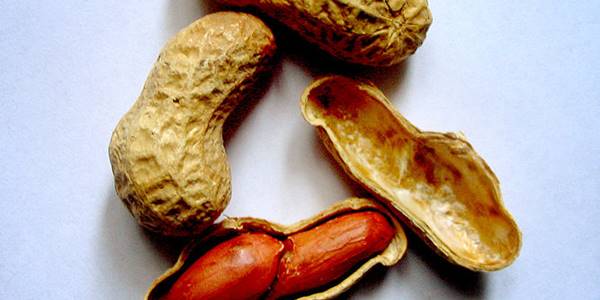
2. There was no significant difference observed regarding this positive trend between peanuts compared to other nuts, which is of particular interest since peanuts are much more cost-effective.

Evidence Rating Level: 2 (Good)       

Study Rundown: Nuts are often hailed for their numerous health benefits. Epidemiologic data suggests that consuming nuts, particularly peanuts, may lead to survival benefits. These other studies were conducted largely amongst well-educated, Caucasian adults. However, similar studies have not been conducted amongst lower socioeconomic status (SES) Americans or ethnically diverse people. Of particular interest was peanut consumption because of their cost-effectiveness. This study, which gathered data from studies conducted amongst lower SES Americans and amongst the urban Chinese, showed that there was about a 20% lower risk of death amongst participants who had the greatest amount of nut consumption. There was also reduced cardiovascular disease amongst these participants. There was no significant difference observed regarding this positive trend between peanuts compared to other nuts, which is of particular interest since peanuts are much more cost-effective.

A major strength of this study was the large number of participants included in the three cohorts. The follow-up periods were relatively long, particularly in the Shanghai women’s cohort. Weaknesses of the study included the slightly different questionnaires between the two countries, and the differences in the composition of nut consumption (i.e., peanuts vs. other nuts). Also, there were a number of differences in demographics amongst the cohorts.

Click to read the study, published today in JAMA Internal Medicine

RELATED REPORTS

Elevated low-density lipoprotein cholesterol is a risk factor for atherosclerotic disease irrespective of familial hypercholesterolemia status

Higher maternal body mass index is associated with increased risk of cardiovascular disease in offspring

Relevant Reading: Frequency of nut consumption and mortality risk in the PREDIMED nutrition intervention trial

In-Depth [prospective cohort]: This study consisted of the following cohorts: Southern Community Cohort Study (SCCS), Shanghai Men’s Health Study (SMHS), and Shanghai Women’s Health Study (SWHS). The SCCS cohort was composed of primarily lower SES participants from 12 southern states in the United States. The SMHS and SWHS cohorts were composed of urban communities from Shanghai. In all of these cohorts, participants with a history of cancer were excluded from the study. The dietary history was based off of the previously validated food frequency questionnaire (FFQ).

In the SCCS, there was 21% reduced mortality amongst the participants in the highest quintile of nut consumption compared with the lowest quintile. Similarly, amongst the two Shanghai cohorts, there was 17% reduced mortality in the group with the highest consumption of nuts. There was also lower risk of ischemic heart disease amongst those participants with the highest nut consumption (HR 0.62; 95%CI 0.45-0.85 in blacks; HR 0.60; 95%CI 0.39-0.92 in whites; and HR 0.70; 95%CI 0.54-0.89 in Asians). There was also no difference observed between peanuts and other nuts, which has important implications for those of lower SES and their health since peanuts are cost-effective.

Image: PD

©2015 2 Minute Medicine, Inc. All rights reserved. No works may be reproduced without expressed written consent from 2 Minute Medicine, Inc. Inquire about licensing here. No article should be construed as medical advice and is not intended as such by the authors or by 2 Minute Medicine, Inc.

Tags: cardiovascular diseasenuts
Previous Post

2 Minute Medicine Rewind February 23 – March 1, 2015

Next Post

Continuous PPI use associated with recurrent Clostridium difficile infection

RelatedReports

A man walking along a path surrounded by healthy food options, sporting shoes, a heart illustration, and urban scenery, indicating lifestyle changes for cardiovascular health.
Cardiology

Elevated low-density lipoprotein cholesterol is a risk factor for atherosclerotic disease irrespective of familial hypercholesterolemia status

October 22, 2026
Behavioral dysregulation in infancy predicts later child mental health
Cardiology

Higher maternal body mass index is associated with increased risk of cardiovascular disease in offspring

September 12, 2026
Collage of medical tech icons circling a central chip with 'AI Roundup' title and 2 Minute Medicine logo in teal background.
AI Roundup

2MM: AI Roundup: NHS England expands Microsoft Copilot nationwide, ARPA-H advances autonomous cardiovascular AI, FDA advisors back Moderna’s mRNA influenza vaccine, and UpDoc earns first clearance for a patient-facing large language model

September 3, 2026
Jessica Lau
Psychiatry

WHO launches 2026 global initiative to bridge the schizophrenia mortality gap

September 4, 2026
Next Post
Key gut bacteria may prevent Clostridium difficile infection

Continuous PPI use associated with recurrent Clostridium difficile infection

Dual PDE3/PDE4 inhibitor may be effective treatment for asthma and COPD

Double-lung transplantation associated with lower mortality in IPF

Three ultrasonographic findings portend increased risk of malignancy in thyroid nodules

No significant long-term size change in benign thyroid nodules

✦ EvidencePulse™ by 2 Minute Medicine 2026 evidence scan 3 reports You asked top stroke trials 2026 Synthesizing medical evidence... Top 2026 stroke trial results: OCEANIC — ischemic stroke: 6.2% vs 8.4% OPTION* — mRS 0–1: 43.6% vs 34.2% ORIENTAL* — mRS 0–2: 58.6% vs 46.6% *Higher sICH in intervention arms Participants randomizedN OCEANIC 12,327 OPTION 570 ORIENTAL 564 Ask about guidelines or landmark trials... Try EvidencePulse™ Get the signal. Try it now → Physician-trained medical AI by 2 Minute Medicine

2MM+ All Access

Full details →
$4.99 /month

3-day free trial · cancel anytime

  • ✓100+ physician-written reports
  • ✓EvidencePulse™ + HypeCheck™
  • ✓Ad-free reading + newsletters
Start 3-day free trial

Then $4.99/month. Manage renewal in your account.

NPI Lookup · Free

Look up any US clinician

Search by name or NPI number, live from the CMS NPI Registry.

  • OIG exclusion check
  • Licenses and specialties
  • No account needed
Open NPI Lookup →

2 Minute Medicine® is an award winning, physician-run, expert medical media company. Our content is curated, written and edited by practicing health professionals who have clinical and scientific expertise in their field of reporting. Our editorial management team is comprised of highly-trained MD physicians. Join numerous brands, companies, and hospitals who trust our licensed content.

Recent Reports

  • WGS Oncodetect showed higher recurrence sensitivity than WES Oncodetect in colorectal cancer
  • Stool biomarkers may be effective in the evaluation of necrotizing enterocolitis in preterm infants
  • Tarlatamab plus durvalumab improved survival versus durvalumab alone in extensive-stage small cell lung cancer in interim phase 3 results
License Content
Terms of Use | Disclaimer
Cookie Policy

Get the app

Read 2 Minute Medicine on iPhone, iPad and Android.

Download on the App StoreGet it on Google Play
QR code for www.2minutemedicine.com/app
On a computer? Scan this with your phone’s camera.
2MM+ All Access Full details →

The medical literature, distilled daily.

Monthly plan selected: $4.99 /month.

$4.99/month

3-day free trial · cancel anytime

Start 3-day free trial

Then $4.99/month. Manage renewal in your account.

Yearly plan selected: $49.90 /year.

$49.90/year

2 months free

Start 3-day free trial

Then $49.90/year.

Membership benefits

  • ✓100+ physician-written reports
  • ✓AI EvidencePulse™ + HypeCheck™
  • ✓Ad-free reading + newsletters
  • ✓NPI watchlist + bulk NPI verification

Already a member? Sign in

  • Get the app
  • About
  • Specialties
    • All Specialties, All Recent Reports
    • Cardiology
    • Chronic Disease
    • Dermatology
    • Emergency
    • Endocrinology
    • Gastroenterology
    • Imaging and Intervention
    • Infectious Disease
    • Nephrology
    • Neurology
    • Obstetrics
    • Oncology
    • Ophthalmology
    • Pediatrics
    • Pharma
    • Preclinical
    • Psychiatry
    • Public Health
    • Pulmonology
    • Rheumatology
    • Surgery
    • Rewinds
    • The Scan
  • EvidencePulse™
  • HypeCheck™
  • AI News
  • Classics™
    • 2MM+ Online Access
    • Paperback and Ebook
  • Tools
    • NPI Registry Lookup
    • RVU Search
  • Partners
    • License Content
    • Advertise with Us
No Result
View All Result

© 2026 2 Minute Medicine, Inc. - Physician-written medical news.