One dose of human papillomavirus vaccine noninferior to two for preventing persistent infection
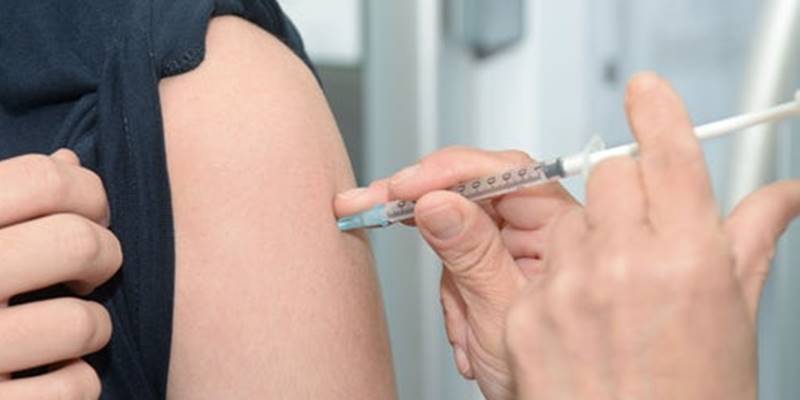
1. In a large randomized trial of adolescent girls, one dose of either the bivalent or nonavalent human papillomavirus (HPV) vaccine was noninferior to two doses in preventing persistent high-risk HPV infections over five years.
2. Vaccine effectiveness for preventing persistent high-risk HPV infection was above ninety-five percent for both one- and two-dose groups, with no safety concerns identified.
Evidence Rating Level: 1 (Excellent)
Study Rundown: Persistent human papillomavirus (HPV) infection, particularly with types 16 and 18, is the primary cause of cervical cancer, which remains a leading cause of cancer-related death in low- and middle-income countries. Despite strong evidence of efficacy, global HPV vaccine uptake is limited, with fewer than one-third of eligible girls vaccinated. Reducing the number of required doses could improve coverage and simplify logistics in resource-constrained settings. In this double-blind randomized controlled trial, researchers compared one versus two doses of either the bivalent (HPV16/18) or nonavalent HPV vaccine in over twenty-thousand adolescent girls in Costa Rica. Persistent HPV16/18 infection between years one and five post-vaccination was assessed. One dose was noninferior to two doses across both vaccine types, with minimal differences in infection rates. Effectiveness against HPV16/18 exceeded ninety-five percent for all groups, and one dose of the nonavalent vaccine also protected against other high-risk HPV types with greater than ninety percent effectiveness in most cases. Strengths of the study include its large sample size, long follow-up, and use of a contemporaneous unvaccinated comparison group. Limitations include reliance on survey data and a wide prespecified noninferiority margin. Nonetheless, the narrow observed confidence intervals suggest that true differences in effectiveness between one and two doses are likely small. Overall, these results demonstrated that a single dose of HPV vaccine provides strong and sustained protection against high-risk HPV infection, which may have important implications for expanding global vaccination coverage.
Click to read the study in NEJM
Relevant Reading: Design and statistical considerations for studies evaluating the efficacy of a single dose of the human papillomavirus (HPV) vaccine
In-Depth [randomized controlled trial]: This double-blind randomized controlled trial (ESCUDDO) evaluated whether a single dose of either a bivalent (HPV16/18) or nonavalent HPV vaccine was noninferior to two doses in preventing persistent HPV infection. The trial enrolled over 20,000 girls aged 12 to 16 from Costa Rica, who were randomly assigned to one of four groups: one or two doses of either vaccine. The primary endpoint was incident, persistent HPV16 or HPV18 infection occurring between 12 and 60 months post-vaccination, with persistence defined as detection of the same HPV type at two consecutive visits six months apart. The trial demonstrated noninferiority of one dose compared to two. For the bivalent vaccine, the rate difference in persistent HPV16/18 infection was −0.13 infections per 100 participants (95% CI, −0.45 to 0.15), and for the nonavalent vaccine, it was 0.21 infections per 100 participants (95% CI, −0.09 to 0.51), both below the prespecified noninferiority margin of 1.25 infections per 100 participants (P<0.001 for both). Vaccine effectiveness was also assessed against a nonrandomized group of unvaccinated participants and was ≥97% in all vaccinated groups. Effectiveness of one dose of the nonavalent vaccine against additional carcinogenic HPV types (HPV31/33/45/52/58) was also high, with >90% effectiveness for most types. For instance, one dose provided 98.0% protection against HPV31 and 90.2% against HPV58. In contrast, the bivalent vaccine showed moderate cross-protection for some types (e.g., 58.8% against HPV45 with one dose). No concerning safety signals were identified; serious vaccine-related adverse events occurred in only 0.03% of participants. Protection was sustained throughout the 5-year follow-up period without evidence of waning. In summary, this large trial provided robust evidence that a single dose of HPV vaccine offers durable protection against high-risk HPV types.
Image: PD
©2025 2 Minute Medicine, Inc. All rights reserved. No works may be reproduced without expressed written consent from 2 Minute Medicine, Inc. Inquire about licensing here. No article should be construed as medical advice and is not intended as such by the authors or by 2 Minute Medicine, Inc.