
• About
  • Masthead
  • License Content
  • Advertise
  • Submit Press Release
  • RSS/Email List
  • 2MM Podcast
  • Write for us
  • Contact Us
2 Minute Medicine
No Result
View All Result

No products in the cart.

SUBSCRIBE
  • Specialties
    • All Specialties, All Recent Reports
    • Cardiology
    • Chronic Disease
    • Dermatology
    • Emergency
    • Endocrinology
    • Gastroenterology
    • Imaging and Intervention
    • Infectious Disease
    • Nephrology
    • Neurology
    • Obstetrics
    • Oncology
    • Ophthalmology
    • Pediatrics
    • Pharma
    • Preclinical
    • Psychiatry
    • Public Health
    • Pulmonology
    • Rheumatology
    • Surgery
  • AI EvidencePulse™
  • Pharma
  • AI News
  • The Scan+
  • Classics™+
    • 2MM+ Online Access
    • Paperback and Ebook
  • Rewinds
  • Podcasts
  • Partners
    • License Content
    • Submit Press Release
    • Advertise with Us
  • Account
    • Subscribe
    • Sign-in
    • My account
2 Minute Medicine
  • Specialties
    • All Specialties, All Recent Reports
    • Cardiology
    • Chronic Disease
    • Dermatology
    • Emergency
    • Endocrinology
    • Gastroenterology
    • Imaging and Intervention
    • Infectious Disease
    • Nephrology
    • Neurology
    • Obstetrics
    • Oncology
    • Ophthalmology
    • Pediatrics
    • Pharma
    • Preclinical
    • Psychiatry
    • Public Health
    • Pulmonology
    • Rheumatology
    • Surgery
  • AI EvidencePulse™
  • Pharma
  • AI News
  • The Scan+
  • Classics™+
    • 2MM+ Online Access
    • Paperback and Ebook
  • Rewinds
  • Podcasts
  • Partners
    • License Content
    • Submit Press Release
    • Advertise with Us
  • Account
    • Subscribe
    • Sign-in
    • My account
SUBSCRIBE
2 Minute Medicine
Subscribe
Home All Specialties Emergency

Pathway modification reduces admissions for pediatric anaphylaxis
byKate AndersonandLeah Carr, MD
April 3, 2018
in Emergency, Pediatrics
Reading Time: 3 mins read
0
Share on FacebookShare on Twitter

1. Inpatient and observation unit admissions for pediatric anaphylaxis decreased by more than half following implementation of a revised clinical care pathway.

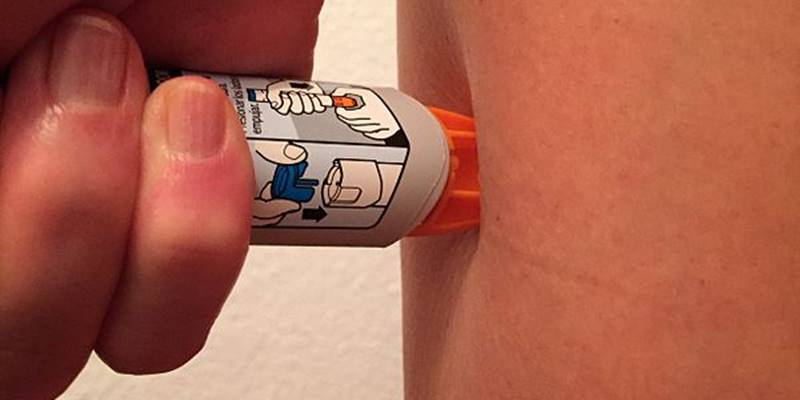
2. More than 80% of patients were given an epinephrine autoinjector upon emergency department (ED) discharge following an anaphylactic attack.

Study Rundown: Anaphylaxis is a life-threatening allergic reaction, often related to food allergies, and is an increasingly common cause of ED visits among the pediatric population. Experts disagree on the optimal observation period after resolution of symptoms, with recommendations ranging from 3 to 24 hours. This variation results in increased hospitalizations and admissions to ED observation units. In this study, members of a multidisciplinary team revised an existing clinical care pathway for pediatric anaphylaxis to decrease the observation period from 8 hours to 4 hours, as well as to improve provider education about anaphylaxis treatment recommendations, and to increase the percent of anaphylaxis patients who leave the ED with an epinephrine autoinjector. After pathway revision, there was a >50% decrease in the number of admissions without an increase in the number of patients who returned to the ED within 72 hours for reasons related to the initial visit. There was no significant change in median time to first epinephrine dose (first-line treatment for anaphylaxis). More than 80% of patients were given an epinephrine autoinjector upon ED discharge. Limitations of this study included a lack of data regarding readmissions to EDs or urgent care centers outside the primary hospital’s network, nor did it collect baseline data regarding the number of patients receiving autoinjectors upon ED discharge prior to pathway revision. Results of this study suggest decreasing observation periods following pediatric anaphylaxis to 4 hours can safely and effectively decrease hospital admissions.

Click to read the study, published today in Pediatrics

Relevant reading: Food allergy among U.S. children: trends in prevalence and hospitalizations

In-depth [Quality Improvement]: Researchers from Children’s Hospital of Philadelphia analyzed data from 182 pediatric anaphylaxis cases seen prior to and 257 cases seen after revision of a clinical care pathway in the hospital’s ED. The pathway was updated in 2014 using input from a multidisciplinary team based on national expert opinions. Changes to the pathway included: decreasing the recommended post-treatment observation period from 8 to 4 hours; inserting a chart with anaphylaxis diagnostic criteria and highlighting epinephrine as the first-line treatment; and including a section reminding nurses to discharge patients with epinephrine autoinjectors. Results showed pathway revision resulted in a decrease in hospital or observation unit admissions from 58.2% to 25.3% (p < .0001), without a concurrent increase in patients returning to care within 72 hours for persistent anaphylaxis symptoms (1.3% vs. 2.6%, before and after revision respectively, p = .99). There was no significant change in the time to first epinephrine administration (median time 15 minutes and 10 minutes, respectively, p = .87). A total of 85.4% of patients discharged from the ED following anaphylaxis left with an epinephrine autoinjector in hand. The most frequently cited reason for patients not being given an autoinjector was that they already had one at home.

RELATED REPORTS

Impact of combined hormonal contraceptives and metformin on metabolic syndrome in women with hyperandrogenic polycystic ovary syndrome and obesity: The COMET-PCOS randomized clinical trial

One dose of human papillomavirus vaccine noninferior to two for preventing persistent infection

Combined Gastric Electrical Stimulation and Pyloroplasty in Gastroparesis

Image: CC/Wiki/AngelHM

©2018 2 Minute Medicine, Inc. All rights reserved. No works may be reproduced without expressed written consent from 2 Minute Medicine, Inc. Inquire about licensing here. No article should be construed as medical advice and is not intended as such by the authors or by 2 Minute Medicine, Inc.

Previous Post

2 Minute Medicine Rewind April 2, 2018

Next Post

All-cause mortality is increased for older adults with sudden loss of wealth in the US

RelatedReports

Letrozole (Femara) boosts fertility of women with Polycystic Ovarian Syndrome
Chronic Disease

Impact of combined hormonal contraceptives and metformin on metabolic syndrome in women with hyperandrogenic polycystic ovary syndrome and obesity: The COMET-PCOS randomized clinical trial

December 19, 2025
Medical vaccine exemptions increase after elimination of nonmedical exemptions
Infectious Disease

One dose of human papillomavirus vaccine noninferior to two for preventing persistent infection

December 18, 2025
Chronic Disease

Combined Gastric Electrical Stimulation and Pyloroplasty in Gastroparesis

December 15, 2025
Parental nonmedical prescription opioid use linked to adolescent use
Chronic Disease

Bisphosphonates may reduce short-term pain in complex regional pain syndrome 

December 15, 2025
Next Post

All-cause mortality is increased for older adults with sudden loss of wealth in the US

Radiation dose associated with increased heart disease in Hodgkin lymphoma survivors

Solid fuel use linked to increased cardiovascular and all-cause mortality

Meeting families, demographic information affect child abuse work-up

Acid suppression and antibiotic use in infancy linked to allergic disease

2 Minute Medicine® is an award winning, physician-run, expert medical media company. Our content is curated, written and edited by practicing health professionals who have clinical and scientific expertise in their field of reporting. Our editorial management team is comprised of highly-trained MD physicians. Join numerous brands, companies, and hospitals who trust our licensed content.

Recent Reports

  • Impact of combined hormonal contraceptives and metformin on metabolic syndrome in women with hyperandrogenic polycystic ovary syndrome and obesity: The COMET-PCOS randomized clinical trial
  • One dose of human papillomavirus vaccine noninferior to two for preventing persistent infection
  • Combined Gastric Electrical Stimulation and Pyloroplasty in Gastroparesis
License Content
Terms of Use | Disclaimer
Cookie Policy
Privacy Statement (EU)
Disclaimer

© 2025 2 Minute Medicine, Inc. - Physician-written medical news.

  • Specialties
    • All Specialties, All Recent Reports
    • Cardiology
    • Chronic Disease
    • Dermatology
    • Emergency
    • Endocrinology
    • Gastroenterology
    • Imaging and Intervention
    • Infectious Disease
    • Nephrology
    • Neurology
    • Obstetrics
    • Oncology
    • Ophthalmology
    • Pediatrics
    • Pharma
    • Preclinical
    • Psychiatry
    • Public Health
    • Pulmonology
    • Rheumatology
    • Surgery
  • AI EvidencePulse™
  • Pharma
  • AI News
  • The Scan
  • Classics™
    • 2MM+ Online Access
    • Paperback and Ebook
  • Rewinds
  • Podcasts
  • Partners
    • License Content
    • Submit Press Release
    • Advertise with Us
  • Account
    • Subscribe
    • Sign-in
    • My account
No Result
View All Result

© 2025 2 Minute Medicine, Inc. - Physician-written medical news.