

Patient Basics: Amenorrhea
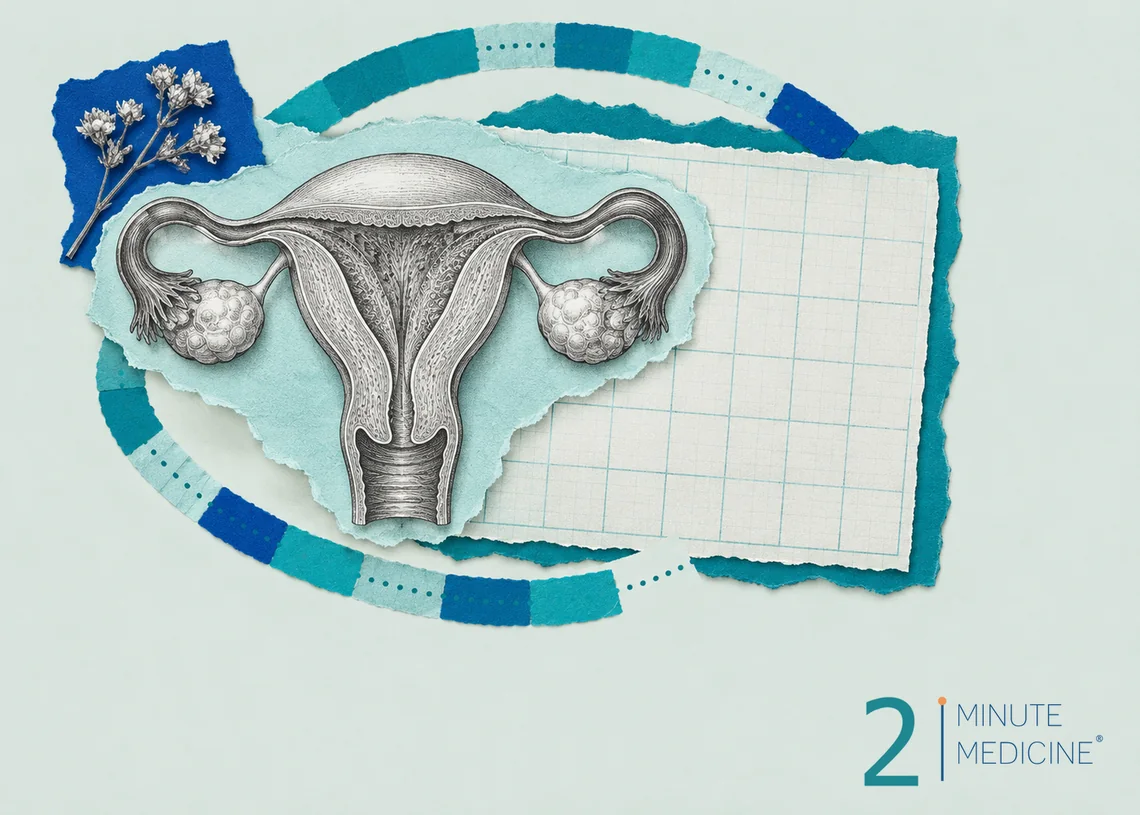
Amenorrhea means not having menstrual periods. Doctors call it primary amenorrhea when periods haven’t started by age 15, and secondary amenorrhea when periods that had started stop for 3 months or more. Pregnancy is the most common reason a period stops, so a pregnancy test is always the first step. Many other causes, from stress to thyroid problems, can be treated.
Key points
- Missing a single period now and then is common, especially with stress, illness or travel.
- Secondary amenorrhea is far more common than primary amenorrhea.
- Besides pregnancy, common causes are breastfeeding, birth control, polycystic ovary syndrome (PCOS), weight loss, hard exercise, stress and thyroid or pituitary problems.
- Low hormone levels from missed periods can thin the bones over time.
- Treatment depends on the cause, and periods often come back once it is fixed.
Primary vs. secondary amenorrhea
Primary amenorrhea means a girl hasn’t had a first period by age 15, or within 3 years of starting breast development. It is uncommon and is often linked to late puberty, a genetic condition or a difference in how the reproductive organs formed.
Secondary amenorrhea means periods stop for 3 months in a row in someone who had regular cycles, or for 6 months in someone whose cycles were irregular.
How periods work
A part of the brain called the hypothalamus signals the pituitary gland, at the base of the brain, to release two hormones: follicle-stimulating hormone (FSH) and luteinizing hormone (LH). These tell the ovaries to ripen an egg and make estrogen, which thickens the lining of the uterus. After the egg is released (ovulation), the ovary makes progesterone for about two weeks. This stretch is called the luteal phase. If no pregnancy starts, hormone levels drop and the lining sheds as a period. A problem anywhere along this chain can stop periods.
Causes of secondary amenorrhea
Natural causes
- Pregnancy
- Breastfeeding
- Perimenopause and menopause, usually in the late 40s or early 50s
Birth control
The hormonal IUD, the birth control shot, the implant and taking pills without a break can all make periods light or stop them. This is harmless. After stopping the pill, periods usually return within 1 to 3 months. After the shot, it can take a year or longer.
Low energy, stress and exercise
The brain slows the hormone signals when the body is under strain. This is called hypothalamic amenorrhea. Triggers include losing a lot of weight, eating too little for your activity level, eating disorders, intense training (common in runners, dancers and gymnasts) and major stress.
Hormone conditions
- PCOS, which causes irregular or absent periods, often with acne, extra hair growth and weight gain
- Thyroid disease, either too much or too little thyroid hormone
- High prolactin, the hormone that makes breast milk. It can come from a small, noncancerous pituitary tumor or from medicines such as some antipsychotics.
- Primary ovarian insufficiency, when the ovaries stop working normally before age 40
Other causes
- Scar tissue inside the uterus (Asherman syndrome), sometimes after a D&C or infection
- Chemotherapy or radiation to the pelvis
- Serious long-term illness
Causes of primary amenorrhea
- Puberty that starts late but is otherwise normal, often running in families
- Turner syndrome, a chromosome condition in which the ovaries don’t develop fully
- Being born without a uterus or with a blocked vagina, such as a closed hymen
- Any of the causes of secondary amenorrhea, such as low body weight or hormone problems
Signs that can point to a cause
- Hot flashes, night sweats or vaginal dryness suggest low estrogen.
- Milky discharge from the nipples suggests high prolactin.
- Headaches or changes in side vision can point to a pituitary problem.
- Acne, extra facial hair or weight gain suggest PCOS.
- Feeling cold, tired or shaky can point to thyroid trouble.
How amenorrhea is diagnosed
Your doctor will ask about your periods, weight changes, exercise, eating, stress, medicines and birth control, and will do a physical exam. Tests may include:
- A pregnancy test
- Blood tests for FSH, LH, estrogen, prolactin, thyroid hormone and testosterone
- A pelvic ultrasound to look at the uterus and ovaries
- A short course of progesterone pills to see whether a bleed follows
- An MRI of the pituitary gland if prolactin is high
- A chromosome test or bone density scan in some cases
Amenorrhea treatment
- Hypothalamic amenorrhea: eating more, gaining weight if needed, easing training and getting help with stress. A dietitian and counselor can help. If an eating disorder is involved, specialist care is important.
- PCOS: birth control pills or progestin to protect the uterine lining, plus weight management and sometimes metformin
- High prolactin: cabergoline or bromocriptine pills, which usually bring periods back
- Thyroid disease: medicine to correct thyroid levels
- Primary ovarian insufficiency: estrogen therapy until about the usual age of menopause, to protect bones and heart
- Scarring or blockages: minor surgery to remove scar tissue or open a blocked passage
- Wanting to get pregnant: fertility treatment can help many people ovulate
Calcium, vitamin D and weight-bearing exercise help protect bones while hormone levels are low. If periods stop for a long time with normal or high estrogen, as in PCOS, the lining of the uterus can overgrow. Regular progestin treatment lowers that risk.
When to see a doctor
- You’ve missed 3 periods in a row, or more than 6 months if your cycles are irregular
- You’re 15 and haven’t had a period
- You’ve missed a period and have a positive or unclear pregnancy test
- You have milky nipple discharge, headaches or vision changes
- You’ve lost a lot of weight, are restricting food or are training very hard
If food, weight or exercise feel out of control, the 988 Suicide & Crisis Lifeline (call or text 988) can also help.
Common questions about amenorrhea
I stopped birth control and haven’t gotten my period. Is that normal?
Often, yes. After stopping the pill, patch or ring, periods usually return within 1 to 3 months. After the birth control shot, it can take a year or more. Take a pregnancy test first. If periods haven’t returned within 3 months of stopping the pill, see a doctor, since an older problem may have been hidden.
Is it normal to miss a period for a month?
Missing one period is common and is often due to stress, illness, travel or a change in weight or exercise. Take a pregnancy test if there’s any chance you could be pregnant. Teens’ cycles are often irregular for the first couple of years. See a doctor if you miss 3 periods in a row.
Why do I feel like I’m getting my period but there’s no blood?
Cramps, bloating and sore breasts without bleeding, sometimes called a phantom period, can happen when hormones rise and fall but the uterine lining doesn’t shed. Early pregnancy, birth control, PCOS and perimenopause can all cause it. A pregnancy test is a good first step.
Can you get pregnant if you haven’t had a period near menopause?
Yes, it’s possible until menopause is confirmed. Ovulation can still happen now and then during perimenopause, even after months without a period. Doctors usually advise using birth control until you’ve gone 12 months without a period if you’re over 50, or 2 years if you’re younger.
How long does amenorrhea last?
It depends on the cause. Periods often return within a few months after weight gain, less training or treatment of thyroid or prolactin problems. Breastfeeding and the birth control shot can delay periods for many months. Menopause and primary ovarian insufficiency usually mean periods won’t return on their own.
Questions to ask your doctor
- What is the most likely cause of my missed periods?
- Which tests do I need?
- Do I need treatment to protect my bones or my uterus?
- Will this affect my chances of getting pregnant?
- Do I still need birth control?
Learn more
- Absent menstrual periods: secondary (MedlinePlus, U.S. National Library of Medicine)
- Amenorrhea (Eunice Kennedy Shriver National Institute of Child Health and Human Development)
This guide is general information and doesn’t replace advice from your own doctor. Last updated October 2026.






 Get the app