

Patient Basics: Earache (Ear Pain)
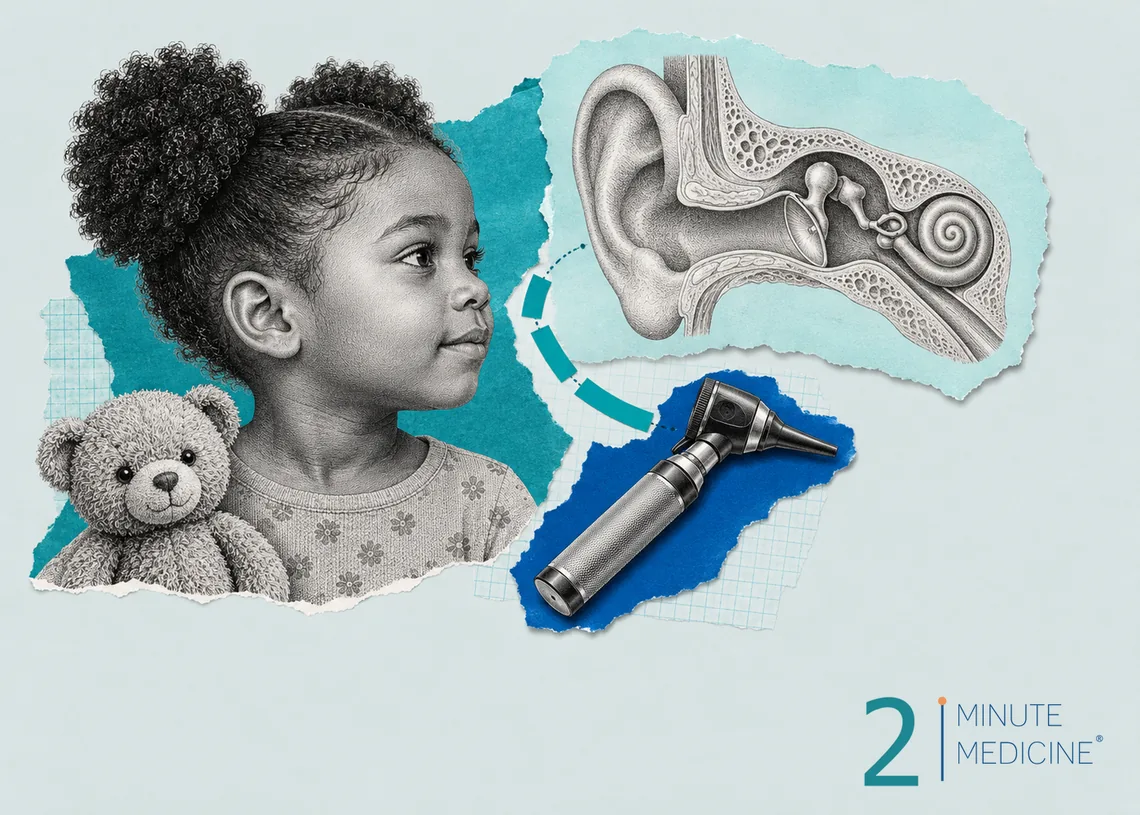
An earache is pain in or around the ear. In children it most often comes from a middle ear infection after a cold. In adults the pain often starts somewhere nearby, such as the jaw, teeth or throat, and is felt in the ear. Most earaches get better within a few days, and pain relief at home is often all that’s needed.
Key points
- Common causes are middle ear infections, swimmer’s ear, earwax, pressure changes on planes, and pain spreading from the jaw, teeth or throat.
- Many middle ear infections clear without antibiotics. Doctors may suggest waiting 2 to 3 days before starting them.
- Acetaminophen or ibuprofen and a warm cloth can ease the pain. Never give aspirin to children or teens.
- Don’t put cotton swabs or other objects into the ear canal.
- See a doctor for a high fever, fluid draining from the ear, swelling behind the ear, hearing loss or dizziness.
What causes an earache
Ear infections and other ear problems
- Middle ear infection (acute otitis media). A cold can swell the eustachian tube, a small channel linking the middle ear to the back of the nose. Fluid then builds up behind the eardrum, germs grow in it, and pressure causes pain. This is most common in babies and young children.
- Fluid behind the eardrum without infection. This can cause a full feeling and muffled hearing, often after an infection.
- Swimmer’s ear (otitis externa). This infection of the ear canal often causes itching and discharge. The pain gets worse when you tug on the earlobe or press the flap in front of the ear.
- Earwax buildup. Packed wax can cause fullness, muffled hearing and sometimes pain.
- Pressure changes while flying, driving in the mountains or scuba diving.
- Injury from a cotton swab, a blow to the ear or a loud blast, which can tear the eardrum.
- Something stuck in the ear, which is common in young children.
- Shingles near the ear, which is rare and causes painful blisters and sometimes weakness of the face.
Pain from nearby areas
- Problems with the jaw joint (TMJ), or grinding your teeth
- A tooth infection or wisdom teeth
- A sore throat or tonsillitis
- A sinus infection
In adults, ear pain that lasts while the ear itself looks normal should be checked, especially in people who smoke or drink heavily. Rarely, a growth in the mouth or throat causes it.
Symptoms in young children
Older children and adults can describe the pain. Babies and toddlers may instead:
- Tug or rub an ear
- Cry more than usual, act fussy or sleep poorly
- Have a fever
- Not respond to quiet sounds
- Have fluid draining from the ear
- Lose their balance
- Eat less, because sucking and chewing hurt
How it’s diagnosed
A doctor looks in the ear with an otoscope, a small tool with a light. A red, bulging eardrum points to a middle ear infection. A red, swollen ear canal points to swimmer’s ear. A small puff of air, or a test called tympanometry, shows how well the eardrum moves. The doctor may also check the jaw, teeth and throat. A hearing test may be done if fluid lasts or hearing seems weaker.
How an earache is treated
Pain relief at home
- Give acetaminophen or ibuprofen, using the dose for your child’s weight. Ibuprofen is for babies older than 6 months.
- Hold a warm or cool cloth over the ear.
- Rest with the head raised on a pillow.
- Don’t put drops in the ear unless a doctor suggests them. Some drops aren’t safe if the eardrum has a hole.
Middle ear infections
Many get better on their own in 2 to 3 days. For children older than 6 months with mild symptoms, doctors often suggest waiting 48 to 72 hours, sometimes with a prescription to fill if the child doesn’t improve. Antibiotics, usually amoxicillin, are used for babies younger than 6 months, severe pain, a fever of 102.2°F (39°C) or higher, infections in both ears in children under 2, fluid draining from the ear, or symptoms that don’t improve.
Children who get many ear infections, or have fluid that lasts for months and affects hearing, may benefit from ear tubes. A surgeon places tiny tubes in the eardrums during a short procedure so air can get in and fluid can drain.
Other causes
- Swimmer’s ear is treated with prescription ear drops, and the ear is kept dry while it heals.
- Earwax can be softened with mineral oil or over-the-counter drops, or rinsed out by a clinician. Avoid cotton swabs and ear candles.
- Plane pressure eases if you swallow, yawn or chew gum as the plane descends. Babies can nurse or take a bottle during descent.
- Pain from the jaw, teeth or throat eases when the source is treated, which may mean a visit to a dentist.
Lowering the risk
- Keep your child’s vaccines up to date, including the pneumococcal vaccine and a yearly flu shot.
- Keep children away from tobacco smoke.
- Breastfeed if you can, and don’t give a baby a bottle while lying flat.
- Wash hands often to prevent colds.
- Dry the ears after swimming by tilting the head to each side.
When to see a doctor
- A baby younger than 6 months with a fever or ear pain
- A fever of 102°F (39°C) or higher
- Pus, blood or fluid draining from the ear
- Severe pain, or pain lasting more than 2 to 3 days
- Hearing loss, ringing in the ear or dizziness
- Something stuck in the ear
- Ear pain in an adult that lasts more than a week or two with no clear cause
Get emergency care for redness, swelling or tenderness behind the ear, or an ear that starts to stick out. Also get help right away for a stiff neck, severe headache, confusion, strong sleepiness, drooping of the face, or sudden hearing loss.
Common questions about earache
Why do I have ear pain and pressure?
Pressure usually means the eustachian tube isn’t letting air in and out of the middle ear. Colds, allergies, sinus infections and flying or driving in the mountains are common triggers. Fluid behind the eardrum or packed earwax can add a full, muffled feeling. It often clears as the cold or allergy settles.
How do you clear your eustachian tubes?
Swallow, yawn or chew gum. You can also close your mouth, pinch your nose and blow very gently until your ears pop, but stop if it hurts. When a cold or allergies cause the blockage, a steroid nasal spray may help. Fluid left behind the eardrum usually drains on its own within 3 months.
What are the symptoms of an ear infection in adults?
A middle ear infection usually causes ear pain, a blocked feeling, muffled hearing and sometimes fever, often after a cold. Swimmer’s ear causes itching, discharge and pain when you tug the earlobe. Ear infections are less common in adults, so pain with a normal-looking ear may come from the jaw, teeth or throat.
Can you take naproxen for an earache?
Yes. Adults and children 12 and older can take naproxen (Aleve) for ear pain, much like ibuprofen. It eases pain but doesn’t cure an infection. Don’t combine it with ibuprofen or aspirin, and check with a doctor first if you have stomach ulcers, kidney disease or heart disease, or take a blood thinner.
Questions to ask your doctor
- What’s causing the ear pain?
- Is there an infection, and does it need antibiotics?
- What’s the best way to ease the pain at home?
- When should we come back if it isn’t better?
- Would ear tubes help with repeat infections?
Learn more
- Earache (MedlinePlus Medical Encyclopedia)
- Ear infections in children (National Institute on Deafness and Other Communication Disorders)
This guide is general information and doesn’t replace advice from your own doctor. Last updated October 2026.






 Get the app