

Patient Basics: Essential Tremor
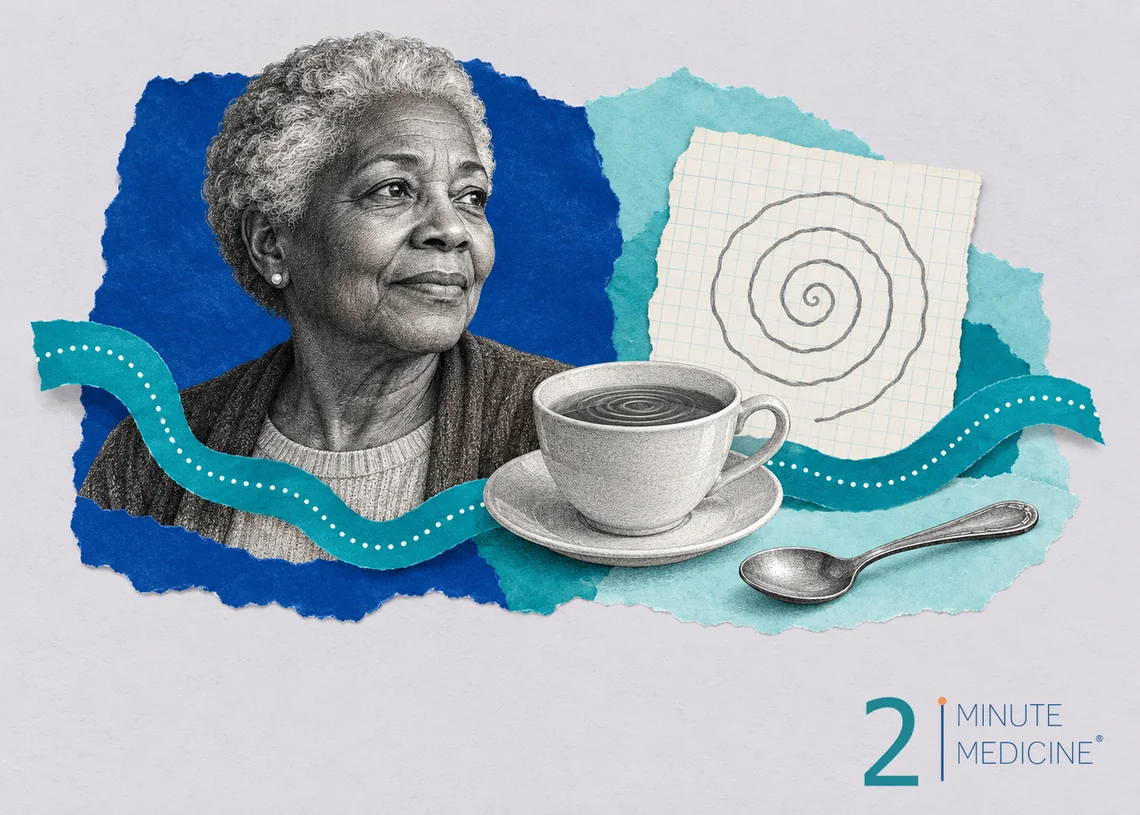
Essential tremor is a nerve condition that makes part of the body shake, most often both hands, when you use them. It’s the most common cause of shaking in adults. It isn’t dangerous and is a different condition from Parkinson’s disease, but it can make writing, eating or drinking hard. Several treatments can calm the shaking.
Key points
- The shaking shows up when you hold a position or move, such as lifting a cup or signing your name. It usually fades when your hands rest.
- It often runs in families and becomes more common with age.
- A doctor diagnoses it from your history and an exam. No single test confirms it.
- The medicines propranolol and primidone help many people. Surgery or focused ultrasound can help severe tremor.
- Caffeine, stress, tiredness and some medicines make most tremors worse.
What causes essential tremor
Doctors don’t know the exact cause. The shaking seems to start from faulty signals in brain circuits that control movement, including the cerebellum, the part of the brain that coordinates smooth motion. In many people it runs in families, and children of a parent with essential tremor have a higher chance of getting it. It can start at any age, even in childhood, but most often begins in middle or later life.
Symptoms
- Rhythmic shaking of the hands and arms during use, usually on both sides, though one side may be worse
- Nodding of the head, as if saying “yes” or “no”
- A shaky voice
- Less often, shaking of the jaw, legs or trunk
The tremor tends to get a little stronger over years. Some people also notice mild unsteadiness when walking heel to toe. Things that make it worse include caffeine, stress, anxiety, lack of sleep, hunger, being very hot or cold, and some medicines.
Essential tremor vs. Parkinson’s disease
The tremor of Parkinson’s disease is strongest when the hand is at rest, often starts on one side and comes with slow movement, stiff muscles and a shuffling walk. Essential tremor is strongest with action, often affects the head and voice, and doesn’t cause slowness or stiffness.
Other kinds of tremor
- Enhanced normal tremor. Everyone has a tiny tremor. Caffeine, anxiety, low blood sugar, an overactive thyroid, alcohol withdrawal and some medicines can make it strong enough to see.
- Intention tremor. Shaking that gets worse as the hand gets closer to a target, such as a finger reaching for the nose. It comes from damage to the cerebellum, for example from multiple sclerosis, a stroke or long-term heavy drinking. Treatment targets the cause, along with physical and occupational therapy.
- Medicine-related tremor. Lithium, valproate, asthma inhalers like albuterol, steroids and some antidepressants can all cause shaking.
How essential tremor is diagnosed
Your doctor will ask when the shaking started, what makes it better or worse, whether anyone in your family has it, and which medicines you take. During the exam, you may be asked to:
- Hold your arms straight out in front of you
- Touch your finger to your nose
- Draw a spiral and write a sentence
- Pour water from one cup to another
Blood tests can check for an overactive thyroid and other causes. A brain scan is not usually needed. When it’s hard to tell essential tremor from Parkinson’s disease, a special scan called a DaT scan can help.
Treatment
If the tremor is mild and doesn’t get in your way, you may not need treatment. Treatment eases the shaking but doesn’t cure the condition.
Everyday changes
- Cut back on coffee, tea, energy drinks and other sources of caffeine.
- Get enough sleep and find ways to manage stress.
- Use heavier forks and spoons, cups with lids and straws, and thick-handled pens.
- Rest your elbows on a table, or use both hands when holding things.
- Try voice typing on your phone or computer instead of writing.
- Ask about an occupational therapist, who can suggest tools such as weighted wrist bands or self-steadying spoons.
Medicines
Propranolol and primidone are the medicines that help the most people with essential tremor.
- Propranolol, a beta blocker also used for blood pressure. It may not be safe for people with asthma or a slow heart rate.
- Primidone, a seizure medicine. It can cause drowsiness or unsteadiness at first, so it’s usually started at a low dose.
- Other options include topiramate and gabapentin when the first choices don’t work or cause side effects.
- Botulinum toxin injections can help head and voice tremor. In the hands, they can cause some weakness.
Devices and procedures
- A wrist-worn device that sends mild electrical pulses through the nerves of the wrist is cleared by the FDA and helps some people with hand tremor.
- Deep brain stimulation (DBS). A surgeon places thin wires in a part of the brain called the thalamus. They connect to a small battery under the skin of the chest, which sends steady pulses that can be adjusted over time.
- Focused ultrasound. Beams of sound energy, aimed with an MRI scanner, treat a tiny spot in the thalamus without any cut in the skin. It usually treats one side of the body at a time.
Some people find that a drink of alcohol briefly calms the shaking. Doctors advise against using alcohol this way, because the tremor often comes back stronger and regular use can lead to drinking problems.
Living with essential tremor
Essential tremor doesn’t shorten life. Still, the shaking can feel embarrassing, and some people start avoiding meals out or social events. Telling friends and coworkers what it is often eases the worry. Anxiety and low mood are common with tremor and can be treated too.
When to see a doctor
- Shaking that is new or getting worse
- Tremor that makes eating, writing or work hard
- Shaking along with slowness, stiffness, balance trouble or memory problems
- Tremor that started after a new medicine
- Shaking with weight loss, a racing heart or feeling hot, which can point to a thyroid problem
Call 911 if shaking starts suddenly along with weakness, numbness, confusion, trouble speaking or a drooping face, or if you have shaking with chest pain or trouble breathing.
Common questions about essential tremor
Are tremors dangerous?
Most tremors aren’t dangerous by themselves. Essential tremor doesn’t damage the brain or shorten life, though it can make daily tasks hard. A tremor can sometimes signal another problem, such as an overactive thyroid, low blood sugar, a medicine side effect or Parkinson’s disease, so new shaking deserves a checkup.
What are internal tremors?
Internal tremors are a feeling of shaking or buzzing inside the body that other people can’t see. They differ from essential tremor, which is visible. Anxiety, stress, caffeine, poor sleep and some medicines are common triggers, and people with Parkinson’s disease or multiple sclerosis also report them. Tell your doctor if they keep happening.
Does essential tremor get worse with age?
Usually it does, but slowly. The shaking tends to get a bit stronger and may spread from the hands to the head or voice over many years. The pace varies a lot from person to person. Many people keep a mild tremor for decades, and treatment can help if it starts to get in the way.
Can essential tremor turn into Parkinson’s disease?
No, they are separate conditions. People with essential tremor may have a somewhat higher chance of getting Parkinson’s disease later, but most never do. If you notice slowness, stiff muscles, smaller handwriting or a tremor that shows up while your hand is resting, tell your doctor so they can check.
Questions to ask your doctor
- Is this essential tremor, or could it be something else?
- Could any of my medicines be making it worse?
- Which treatment would you suggest first?
- Would an occupational therapist help me?
- Am I a candidate for deep brain stimulation or focused ultrasound?
Learn more
- Essential tremor (MedlinePlus, U.S. National Library of Medicine)
- Tremor (National Institute of Neurological Disorders and Stroke)
This guide is general information and doesn’t replace advice from your own doctor. Last updated October 2026.






 Get the app