

Patient Basics: Large Cell Cancer of the Lung
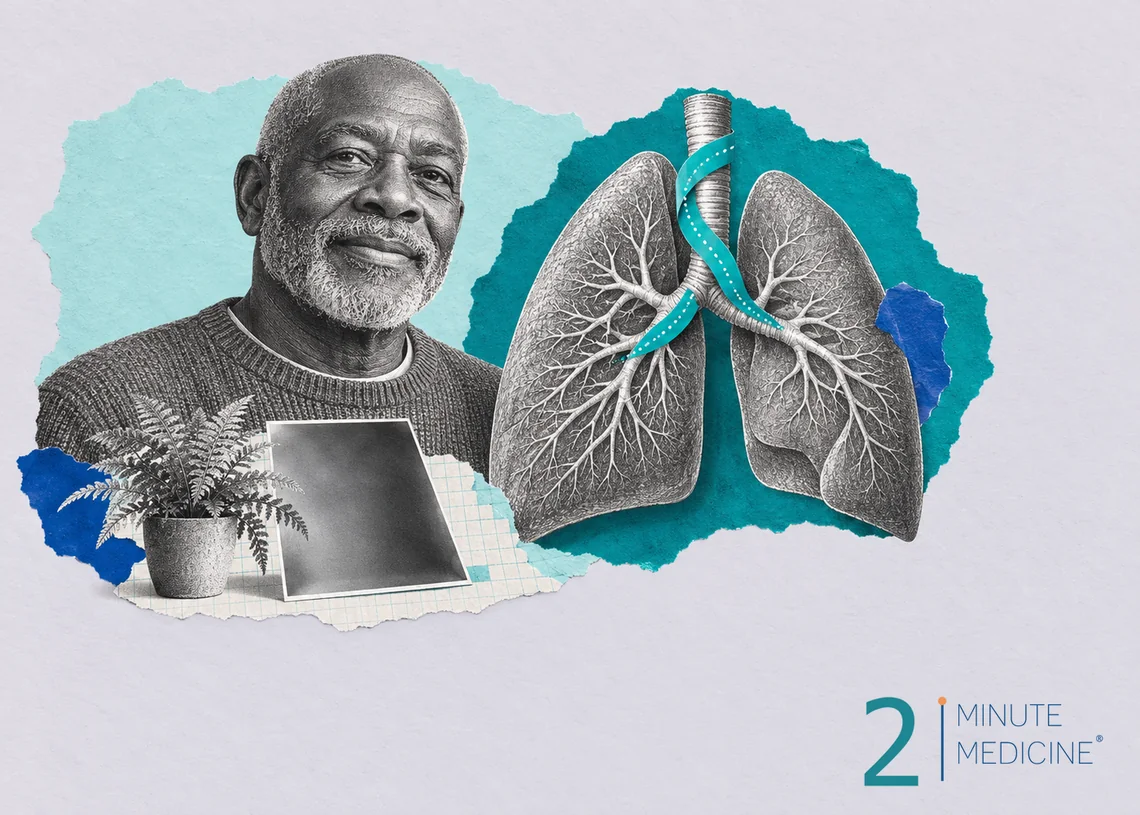
Large cell carcinoma is a type of non-small cell lung cancer. The name comes from how the cancer cells look under a microscope. They are large and rounded, without the features of other lung cancer types. It tends to grow and spread faster than some other lung cancers, but it is treated with the same proven tools, and treatment choices have improved a lot in recent years.
Key points
- Smoking causes most cases. Radon, secondhand smoke, asbestos and air pollution also raise the risk.
- A cough that won’t go away, coughing up blood, chest pain and shortness of breath are common symptoms.
- Treatment depends on the stage and can include surgery, radiation, immunotherapy, chemotherapy and targeted drugs.
- Ask for biomarker testing of the tumor. The results can point to medicines that work better.
- If you smoke, quitting helps treatment work better, even after diagnosis.
What is large cell carcinoma?
Lung cancers are grouped by how their cells look. About 85 in 100 are non-small cell lung cancers, and large cell carcinoma is one of these. The two more common non-small cell types are adenocarcinoma, whose cells form gland-like shapes, and squamous cell carcinoma, made of flat cells. When a tumor shows neither pattern, it is called large cell carcinoma.
Large cell carcinoma used to be diagnosed more often. Modern lab tests now sort many of these tumors into the other types, so today it makes up only a few in every 100 lung cancers. It often starts in the outer parts of the lungs.
Two related cancers have similar names:
- Large cell neuroendocrine carcinoma grows from cells that make hormone-like substances. It is fast-growing and is sometimes treated more like small cell lung cancer.
- Giant cell carcinoma is a separate, rare type with very large, oddly shaped cells.
What causes large cell carcinoma
- Smoking cigarettes, cigars or pipes is the main cause. The risk rises with how much and how long you have smoked.
- Radon, a natural radioactive gas that can build up in homes, is the second leading cause of lung cancer in the United States.
- Secondhand smoke
- Asbestos, diesel exhaust and other workplace chemicals
- Air pollution
- A family history of lung cancer or past radiation to the chest
Symptoms
Early lung cancer often causes no symptoms. When symptoms appear, they can include:
- A cough that lasts more than a few weeks, or a change in a long-standing cough
- Coughing up blood or rust-colored mucus
- Chest pain, especially when breathing deeply or coughing
- Shortness of breath or wheezing
- Hoarseness
- Repeated chest infections
- Tiredness, weight loss and loss of appetite
If the cancer has spread, it may cause bone pain, headaches, dizziness, or yellow skin and eyes.
Screening
A yearly low-dose CT scan can find lung cancer early, when it is easier to treat. U.S. guidelines recommend it for adults aged 50 to 80 with a heavy smoking history (about 20 pack-years, such as a pack a day for 20 years). Ask your doctor whether you qualify, including if you have already quit.
How it’s diagnosed
- Imaging. A CT scan of the chest, sometimes after a plain X-ray, shows a spot in the lung. A PET-CT scan and a brain MRI check whether the cancer has spread.
- Biopsy. A small piece of tissue is taken with a thin scope passed into the airways (bronchoscopy), a needle guided by CT, or surgery. A pathologist studies it under the microscope and uses special stains to name the type.
- Biomarker testing. The tumor is tested for gene changes, such as in EGFR, ALK, KRAS or BRAF, and for a protein called PD-L1. These results help choose targeted drugs and immunotherapy.
- Staging. Doctors use the tumor size, lymph nodes and any spread to give a stage from I to IV.
How large cell carcinoma is treated
Your care team, often including a lung surgeon, a medical oncologist and a radiation oncologist, will build a plan based on the stage, the biomarker results and your overall health.
Early stage (I and II)
An operation to take out the tumor, often with a lobe of the lung, gives the best chance of cure. Chemotherapy, immunotherapy or targeted drugs may be given before or after surgery to lower the chance of the cancer returning. People who can’t have surgery may get a precise, high-dose radiation treatment called stereotactic body radiation therapy (SBRT).
Stage III
Treatment often combines chemotherapy and radiation, followed by a year of immunotherapy. Some people have surgery along with chemotherapy and immunotherapy.
Stage IV
- Targeted therapy pills, if the tumor has a gene change that a drug can target
- Immunotherapy, such as pembrolizumab, nivolumab or atezolizumab, which helps the immune system attack the cancer, alone or with chemotherapy
- Radiation to ease pain or treat spread to the brain or bones
Clinical trials test newer treatments and may be an option at any stage. Palliative care, which treats symptoms such as pain and breathlessness, can start at diagnosis alongside cancer treatment.
Living with lung cancer
Quitting smoking helps surgery and radiation go better and lowers the chance of a second cancer. Staying active, eating well and treating breathlessness can help you feel stronger during treatment. Many people find support groups or counseling helpful. Follow-up scans after treatment watch for any return of the cancer.
Common questions about large cell carcinoma
What does “large cell” mean in lung cancer?
It describes how the cancer cells look under a microscope. They are large and rounded and lack the features of the other main types, adenocarcinoma and squamous cell carcinoma. The name says nothing about the size of the tumor itself, which is measured separately when the cancer is staged.
Is large cell lung cancer aggressive?
It tends to grow and spread faster than some other non-small cell lung cancers, so it is often found at a later stage. Outcomes still depend mostly on the stage, your overall health and how the cancer responds to treatment. Immunotherapy has improved results for many people with advanced disease.
How is it different from small cell lung cancer?
They are separate cancers. Large cell carcinoma is a non-small cell lung cancer, treated with surgery, radiation, immunotherapy and chemotherapy based on its stage. Small cell lung cancer spreads early and is treated mainly with chemotherapy, immunotherapy and radiation. Large cell neuroendocrine carcinoma shares features with both.
When to see a doctor
See your doctor for a cough that lasts more than three weeks, coughing up blood, chest pain, new shortness of breath, hoarseness that won’t go away, or weight loss you can’t explain. Call 911 for severe trouble breathing, coughing up more than a small amount of blood, chest pain that doesn’t go away, or sudden weakness or confusion.
Questions to ask your doctor
- What stage is my cancer, and is it large cell neuroendocrine carcinoma?
- Has my tumor had full biomarker testing?
- What is the goal of my treatment, and what side effects should I expect?
- Is there a clinical trial that fits me?
- Can I see a palliative care team for symptom support?
Learn more
- Non-small cell lung cancer treatment (National Cancer Institute)
- Non-small cell lung cancer (MedlinePlus, U.S. National Library of Medicine)
This guide is general information and doesn’t replace advice from your own doctor. Last updated October 2026.






 Get the app