

Patient Basics: Sick Sinus Syndrome
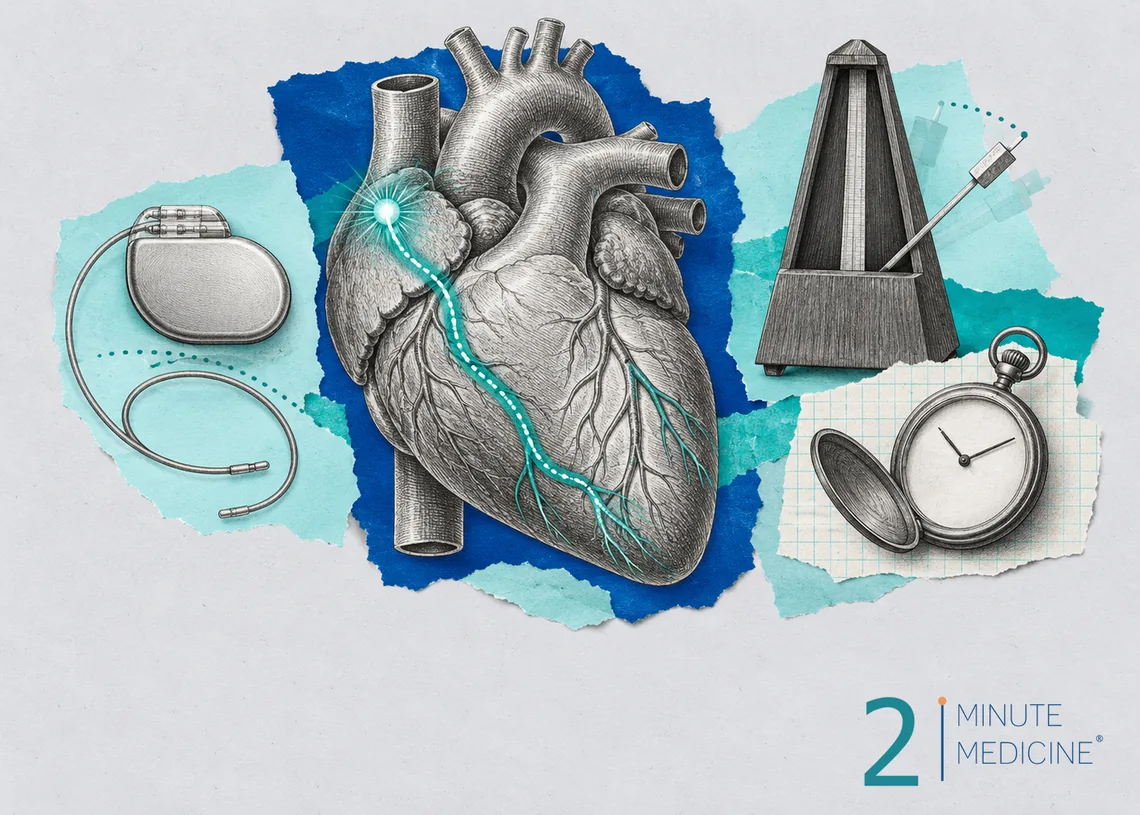
Sick sinus syndrome is a problem with the heart’s natural pacemaker, a small patch of tissue called the sinus node. The heart may beat too slowly, pause, or switch between slow and fast rhythms. It is most common in older adults, and a pacemaker usually fixes the symptoms.
Key points
- Tiredness, dizziness, shortness of breath and fainting are the main symptoms.
- Aging of the heart’s electrical system is the most common cause. Some heart medicines can cause or worsen it.
- Wearing a heart monitor for days or weeks is often needed to catch the problem.
- People without symptoms often need no treatment.
- A pacemaker is the main treatment when the slow heartbeat causes symptoms.
How the sinus node works
The sinus node sits in the wall of the upper right chamber of the heart (right atrium). It sends out an electrical signal that starts each heartbeat, usually 60 to 100 times a minute at rest. The signal spreads through the upper chambers, then passes to the lower chambers, which pump blood to the body. The sinus node speeds up during exercise or stress and slows down during rest and sleep.
In sick sinus syndrome, the node fires too slowly, stops for a few seconds at a time, or fails to speed up during activity. Many people also have bursts of a fast, irregular rhythm, most often atrial fibrillation. Doctors call this mix of slow and fast rhythms tachy-brady syndrome.
What causes sick sinus syndrome
- Aging. Over the years, scar tissue can build up in and around the sinus node. This is the most common cause.
- Medicines. Beta blockers, the calcium channel blockers diltiazem and verapamil, digoxin, and rhythm drugs such as amiodarone can slow the sinus node. These medicines can uncover a weak sinus node that was barely working.
- Heart disease and surgery. Coronary artery disease, heart muscle disease, and conditions such as amyloidosis or sarcoidosis can damage the node. So can heart surgery.
- Other conditions. An underactive thyroid, sleep apnea, high potassium levels and a very low body temperature can slow the heart.
- Genes. Rarely, sick sinus syndrome runs in families and appears at a younger age.
Symptoms
When the heart beats too slowly or pauses, the brain and muscles get less blood. Symptoms can come and go and include:
- Tiredness and weakness
- Dizziness or feeling lightheaded
- Fainting or nearly fainting
- Shortness of breath, especially with activity
- Getting worn out quickly during exercise
- Confusion or memory problems, especially in older adults
- A pounding, racing or fluttering heartbeat during fast spells
- Chest pain
Some people have no symptoms, and the problem is found on a routine heart tracing.
How sick sinus syndrome is diagnosed
- Electrocardiogram (ECG). This quick, painless test records the heart’s electrical activity. It may look normal if the problem isn’t happening at that moment.
- Heart monitors. A Holter monitor records every heartbeat for a day or two. A patch monitor can be worn for up to about two weeks, and an event monitor for a month. For rare symptoms, a tiny monitor can be placed under the skin of the chest for up to a few years.
- Exercise test. Walking on a treadmill shows whether your heart rate rises as it should.
- Blood tests check thyroid function and potassium levels.
- Sleep study if your doctor suspects sleep apnea.
The key is linking your symptoms to a slow rhythm or pause. Keep a note of when you feel dizzy or faint, so your doctor can match it to the monitor results.
Treatment
Watching and adjusting medicines
If you have no symptoms, you may not need treatment. Your doctor will review your medicines and may lower the dose or switch drugs that slow the heart. Don’t stop a heart medicine on your own. Treating an underactive thyroid or sleep apnea can also help.
Pacemaker
A pacemaker is a small device that sends a signal to keep the heart from beating too slowly. Most are placed under the skin below the collarbone, with thin wires (leads) passed through a vein into the heart. Some newer pacemakers are tiny capsules placed inside the heart with no wires. The procedure is done with numbing medicine and medicine to help you relax. Many people go home the same day or the next morning. You’ll usually be asked to limit lifting your arm on that side for a few weeks while the wires settle.
Treating fast rhythms
Medicines that slow fast rhythms can make slow spells worse. A pacemaker lets doctors use these medicines safely. Some people have a procedure called ablation to treat atrial fibrillation. If you have atrial fibrillation, your doctor will also talk with you about a blood thinner such as apixaban, rivaroxaban or warfarin to lower the risk of stroke.
Living with a pacemaker
- Go to your device checks. Many pacemakers also send readings to your clinic from home.
- Carry your device card, and show it at airport security.
- Keep cell phones, earbud cases and magnets at least 6 inches from the device. Don’t carry them in a shirt pocket over it.
- Tell every doctor and dentist you have a pacemaker. Many models are safe for MRI scans with special settings.
- The battery usually lasts many years. Replacing it is a shorter procedure than the first one.
When to see a doctor
- You feel dizzy, weak or worn out more than usual
- You notice a slow pulse along with symptoms
- You get a fluttering or racing heartbeat
- A new heart medicine leaves you tired or lightheaded
Call 911 if you faint, have chest pain, have severe shortness of breath, or notice signs of a stroke such as a drooping face, arm weakness or trouble speaking.
Common questions about sick sinus syndrome
What is the difference between sinus node dysfunction and sick sinus syndrome?
The terms overlap. Sinus node dysfunction means the sinus node isn’t working normally, which may show up on a heart tracing even without symptoms. Doctors usually call it sick sinus syndrome when that problem causes symptoms such as dizziness, tiredness or fainting.
Can sick sinus syndrome cause a fast heartbeat at night?
It can. In tachy-brady syndrome, bursts of a fast rhythm such as atrial fibrillation can start at any time, including during sleep. A slower heart rate at night is normal, but a racing heart that wakes you, long pauses or fainting should be checked with a heart monitor.
What else causes a slow heart rate (bradycardia)?
A slow heart rate is normal for many fit people and during sleep. Other causes include medicines, an underactive thyroid, sleep apnea, high potassium, Lyme disease and heart block, a problem lower in the heart’s wiring. A doctor will look for these before deciding the sinus node is to blame.
Is sick sinus syndrome life-threatening?
It usually isn’t, but it can be dangerous if it causes fainting, falls or a stroke from atrial fibrillation. With a pacemaker and, when needed, a blood thinner, most people live as long as they would have otherwise. Getting checked for symptoms early lowers these risks.
Questions to ask your doctor
- Are my symptoms caused by my slow heartbeat?
- Could any of my medicines be making it worse?
- Do I need a pacemaker now, or can we wait?
- Do I have atrial fibrillation, and do I need a blood thinner?
- Are there any activities I should avoid?
Learn more
- Sick sinus syndrome (MedlinePlus, U.S. National Library of Medicine)
- Pacemakers (National Heart, Lung, and Blood Institute)
This guide is general information and doesn’t replace advice from your own doctor. Last updated October 2026.






 Get the app