• About
  • Masthead
  • License Content
  • Advertise
  • Submit Press Release
  • RSS/Email List
  • 2MM Podcast
  • Write for us
  • Contact Us
2 Minute Medicine
No Result
View All Result

No products in the cart.

SUBSCRIBE
  • Specialties
    • All Specialties, All Recent Reports
    • Cardiology
    • Chronic Disease
    • Dermatology
    • Emergency
    • Endocrinology
    • Gastroenterology
    • Imaging and Intervention
    • Infectious Disease
    • Nephrology
    • Neurology
    • Obstetrics
    • Oncology
    • Ophthalmology
    • Pediatrics
    • Pharma
    • Preclinical
    • Psychiatry
    • Public Health
    • Pulmonology
    • Rheumatology
    • Surgery
  • Tools
    • EvidencePulse™
    • RVU Search
    • NPI Registry Lookup
  • Pharma
  • AI News
  • The Scan+
  • Classics™+
    • 2MM+ Online Access
    • Paperback and Ebook
  • Rewinds
  • Partners
    • License Content
    • Submit Press Release
    • Advertise with Us
  • Account
    • Subscribe
    • Sign-in
    • My account
2 Minute Medicine
  • Specialties
    • All Specialties, All Recent Reports
    • Cardiology
    • Chronic Disease
    • Dermatology
    • Emergency
    • Endocrinology
    • Gastroenterology
    • Imaging and Intervention
    • Infectious Disease
    • Nephrology
    • Neurology
    • Obstetrics
    • Oncology
    • Ophthalmology
    • Pediatrics
    • Pharma
    • Preclinical
    • Psychiatry
    • Public Health
    • Pulmonology
    • Rheumatology
    • Surgery
  • Tools
    • EvidencePulse™
    • RVU Search
    • NPI Registry Lookup
  • Pharma
  • AI News
  • The Scan+
  • Classics™+
    • 2MM+ Online Access
    • Paperback and Ebook
  • Rewinds
  • Partners
    • License Content
    • Submit Press Release
    • Advertise with Us
  • Account
    • Subscribe
    • Sign-in
    • My account
SUBSCRIBE
2 Minute Medicine
Subscribe
Home All Specialties Chronic Disease

Patients with psoriasis associated with increased systemic arterial and subcutaneous adipose inflammation
byRishi ChopraandDavid Wang
January 2, 2017
in Chronic Disease, Dermatology, Imaging and Intervention
Reading Time: 2 mins read
0
Share on FacebookShare on Twitter

1. In a retrospective cohort study of 12 patients with psoriasis, 8F-fluorodeoxyglucose (FDG) positron emission tomography (PET)/computed tomography (CT) demonstrated significantly increased arterial inflammation and subcutaneous adipose tissue inflammation compared to healthy controls.

Evidence Rating Level: 3 (Average)

Study Rundown: Psoriasis is a chronic, inflammatory skin disorder associated with an increased risk for coronary artery disease, likely resulting from a systemic pro-inflammatory state. In addition, previous studies demonstrate that subcutaneous adipose tissue inflammation, which may contribute to the pathogenesis of psoriasis, is also associated with an increased risk of cardiovascular disease. Given the multiple associations demonstrated between psoriasis, inflammation, and atherosclerotic disease, the objective of this study was to assess the relationship between global vascular inflammation and subcutaneous adipose tissue inflammation in patients with moderate-to-severe psoriasis.

The study retrospectively compared vascular and subcutaneous adipose tissue inflammation, as assessed by FDG-PET/CT in 12 patients with moderate-to-severe psoriasis and 24 matched controls without psoriasis. At the conclusion of the study, psoriasis was demonstrated to be associated with significantly increased aortic and subcutaneous adipose inflammation. The results of this study further corroborate that there may be a link between psoriasis skin inflammation, vascular inflammation, cardiovascular disease, and obesity. This study is strengthened by the use of controls matched for age and sex, as well as requiring adequate medication washout periods. However, this study is limited by the small sample size that was selected from a single dermatology clinic. Furthermore, the matched control group consisted of patients with stage 1 penile cancer or localized melanoma that had required FDG-PET/CT imaging, so was not ideal as controls for comparison purposes. There is limited generalizability to the results as mostly men were included in the study and the age of patients ranged from 50 to 70 years old. Larger, multi-center prospective trials may improve the validity of the study.

Click to read the study in BJD

Relevant Reading: Increased Prevalence of Coronary Artery Disease in Severe Psoriasis and Severe Atopic Dermatitis

RELATED REPORTS

Two plasma-based biomarkers may accurately predict positive CT head scans in traumatic brain injury

Pre-conception computed tomography ionizing radiation may be associated with worse reproductive outcomes

Positron emission tomography-guided treatment strategy may reduce need for chemotherapy for patients with HER2+ breast cancer

In-Depth [retrospective cohort]: This study retrospectively evaluated the association between psoriasis and inflammation of the aorta and subcutaneous adipose tissue via an open-label, observational, controlled study of consecutive patients in a university hospital dermatology clinic in Finland. Overall, this study identified 12 patients with psoriasis and 24 controls without psoriasis matched for age and sex. All patients underwent whole-body FDG-PET/CT, and inflammation was measured using maximal standardized uptake values (SUVmax) and the target-to-background ratio (TBRmax). At the conclusion of the trial, in the psoriasis group, arterial inflammation was increased compared with controls (mean whole vessel TBRmax 2.46 vs. 2.09; p = 0.005). Subcutaneous adipose tissue FDG uptake was also increased compared with controls (mean TBRmax 0.49 vs. 0.31; p = 0.002). An analysis of covariance regression model adjusted for body mass index and age confirmed that patients with psoriasis remained significantly associated with elevated whole-vessel TBRmax values.

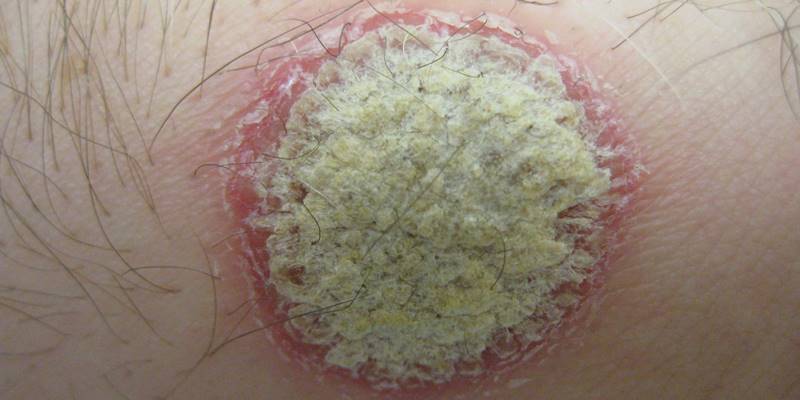
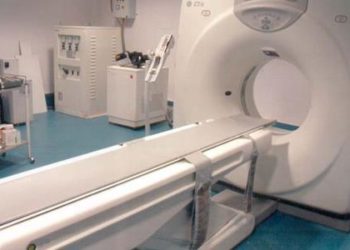
Image: CC/Wiki/James Heilman, MD

©2016 2 Minute Medicine, Inc. All rights reserved. No works may be reproduced without expressed written consent from 2 Minute Medicine, Inc. Inquire about licensing here. No article should be construed as medical advice and is not intended as such by the authors or by 2 Minute Medicine, Inc.
Tags: Computed Tomography (CT)Positron Emission Tomography (PET Scan)psoriasis
Previous Post

Protein therapy combined with stem cell transplantation repairs stroke-induced brain damage [PreClinical]

Next Post

2 Minute Medicine Rewind January 2, 2017

RelatedReports

Brain lesions on MRI linked with subsequent increased stroke risk
Emergency

Two plasma-based biomarkers may accurately predict positive CT head scans in traumatic brain injury

March 22, 2026
Half of parents aware of CT radiation cancer risk
Obstetrics

Pre-conception computed tomography ionizing radiation may be associated with worse reproductive outcomes

September 8, 2025
Comorbidities of head and neck cancer may drive malnutrition
Chronic Disease

Positron emission tomography-guided treatment strategy may reduce need for chemotherapy for patients with HER2+ breast cancer

May 14, 2024
The 2 Minute Medicine Podcast Episode 15
2MM Podcast

The 2 Minute Medicine Podcast Episode 35

February 22, 2024
Next Post
Cognitive outcomes in older adults undergoing cardiovascular procedures unclear

2 Minute Medicine Rewind January 2, 2017

AAP supports mindfulness of children’s media consumption

22% of U.S. gun owners report purchasing a firearm without a background check

Publication of pneumonia antibiotic guidelines changed prescribing trends

Metformin associated with reduced mortality in kidney disease, congestive heart failure, and chronic liver disease

2 Minute Medicine® is an award winning, physician-run, expert medical media company. Our content is curated, written and edited by practicing health professionals who have clinical and scientific expertise in their field of reporting. Our editorial management team is comprised of highly-trained MD physicians. Join numerous brands, companies, and hospitals who trust our licensed content.

Recent Reports

  • Adjuvanted influenza vaccines and high-dose influenza vaccines may have similar effectiveness in adult patients
  • Ambient artificial intelligence scribes reduce clinician documentation time by 16 minutes per encounter
  • Resuscitative endovascular balloon occlusion of the aorta may not improve outcomes in adults with non-traumatic out-of-hospital cardiac arrest
License Content
Terms of Use | Disclaimer
Cookie Policy
Privacy Statement (EU)
Disclaimer

The Classics in Medicine Paperback Released!

Over the past 30 years, the transition from print to digital media has contributed to an exponential increase in medical literature. In response, 2 Minute Medicine presents 160+ authoritative, physician-written summaries of the most cited landmark trials in medicine.

amazon-logo_blackGet-it-on-iBooks-badge

Click anywhere to close this announcement

  • Specialties
    • All Specialties, All Recent Reports
    • Cardiology
    • Chronic Disease
    • Dermatology
    • Emergency
    • Endocrinology
    • Gastroenterology
    • Imaging and Intervention
    • Infectious Disease
    • Nephrology
    • Neurology
    • Obstetrics
    • Oncology
    • Ophthalmology
    • Pediatrics
    • Pharma
    • Preclinical
    • Psychiatry
    • Public Health
    • Pulmonology
    • Rheumatology
    • Surgery
  • Tools
    • EvidencePulse™
    • RVU Search
    • NPI Registry Lookup
  • Pharma
  • AI News
  • The Scan
  • Classics™
    • 2MM+ Online Access
    • Paperback and Ebook
  • Rewinds
  • Partners
    • License Content
    • Submit Press Release
    • Advertise with Us
  • Account
    • Subscribe
    • Sign-in
    • My account
No Result
View All Result

© 2026 2 Minute Medicine, Inc. - Physician-written medical news.