• About
  • Masthead
  • License Content
  • Advertise
  • Submit Press Release
  • RSS/Email List
  • 2MM Podcast
  • Write for us
  • Contact Us
2 Minute Medicine
No Result
View All Result

No products in the cart.

SUBSCRIBE
  • Specialties
    • All Specialties, All Recent Reports
    • Cardiology
    • Chronic Disease
    • Dermatology
    • Emergency
    • Endocrinology
    • Gastroenterology
    • Imaging and Intervention
    • Infectious Disease
    • Nephrology
    • Neurology
    • Obstetrics
    • Oncology
    • Ophthalmology
    • Pediatrics
    • Pharma
    • Preclinical
    • Psychiatry
    • Public Health
    • Pulmonology
    • Rheumatology
    • Surgery
  • Tools
    • EvidencePulse™
    • RVU Search
    • NPI Registry Lookup
  • Pharma
  • AI News
  • The Scan+
  • Classics™+
    • 2MM+ Online Access
    • Paperback and Ebook
  • Rewinds
  • Partners
    • License Content
    • Submit Press Release
    • Advertise with Us
  • Account
    • Subscribe
    • Sign-in
    • My account
2 Minute Medicine
  • Specialties
    • All Specialties, All Recent Reports
    • Cardiology
    • Chronic Disease
    • Dermatology
    • Emergency
    • Endocrinology
    • Gastroenterology
    • Imaging and Intervention
    • Infectious Disease
    • Nephrology
    • Neurology
    • Obstetrics
    • Oncology
    • Ophthalmology
    • Pediatrics
    • Pharma
    • Preclinical
    • Psychiatry
    • Public Health
    • Pulmonology
    • Rheumatology
    • Surgery
  • Tools
    • EvidencePulse™
    • RVU Search
    • NPI Registry Lookup
  • Pharma
  • AI News
  • The Scan+
  • Classics™+
    • 2MM+ Online Access
    • Paperback and Ebook
  • Rewinds
  • Partners
    • License Content
    • Submit Press Release
    • Advertise with Us
  • Account
    • Subscribe
    • Sign-in
    • My account
SUBSCRIBE
2 Minute Medicine
Subscribe
Home All Specialties Cardiology

PCI beneficial in patients undergoing transcatheter aortic-valve implantation
byNhat Hung (Benjamin) LamandKiera Liblik
March 3, 2025
in Cardiology, Surgery, Surgery Classics, The 2MM Team, The Classics
Reading Time: 3 mins read
0
Share on FacebookShare on Twitter

1. In patients undergoing transcatheter aortic valve implantation (TAVI) for severe aortic stenosis (AS) with stable coronary artery disease (CAD), percutaneous coronary intervention (PCI) lowered the risk of death and other major adverse cardiac events (MACEs).

2. PCI was associated with a relatively low risk of procedure-related complications.

Evidence Rating Level: 1 (Excellent)

Study Rundown: AS and CAD are prevalent heart diseases with common risk factors, including metabolic syndrome, atherosclerosis, and increasing age. TAVI is the first-line therapy for severe symptomatic AS, especially in older patients. CAD is present in approximately half the patients presenting for TAVI and is occasionally treated with PCI. However, the risk-benefit consideration of PCI performed for stable CAD in such patients is unclear. This trial compared PCI against conservative management in patients undergoing TAVI for severe AS with stable physiologically significant CAD. PCI resulted in a lower incidence of MACEs including all-cause mortality. The rate of bleeding events was comparable between PCI and conservative management, whereas PCI was associated with a small risk of procedure-related complications. These results were not generalizable to those with recent acute coronary syndrome and left main disease. The timing of PCI relative to TAVI among trial patients was variable, as guidelines are lacking as to the effect of such variability. Notwithstanding, PCI was demonstrated to lower the risk of MACEs including death at 2 years in patients with CAD undergoing TAVI.

Click here to read the study in NEJM

Relevant Reading: ACTIVATION (PercutAneous Coronary inTervention prIor to transcatheter aortic VAlve implantaTION): A Randomized Clinical Trial

RELATED REPORTS

Two scores for risk stratification of adults presenting with syncope may be effective at identifying those with low risk

Resuscitative endovascular balloon occlusion of the aorta may not improve outcomes in adults with non-traumatic out-of-hospital cardiac arrest

A robotic approach for ventral hernia repair may improve postoperative outcomes

In-Depth [randomized controlled trial]: This was a randomized controlled trial comparing PCI against conservative management among patients undergoing TAVI with CAD. Patients undergoing TAVI for severe symptomatic AS, who had at least one stenosis in a coronary artery ≥2.5mm in diameter with a fractional flow reserve (FFR) ≤0.80 or a diameter ≥90%, were eligible for inclusion. Exclusion criteria included planned valve-in-valve TAVI, life expectancy of less than 1 year, severe renal insufficiency, recent acute coronary syndrome, and CAD involving the left main coronary artery. In total, 455 patients were randomized 1:1 to undergo PCI or receive conservative management for their CAD. Patients undergoing PCI typically received lifelong dual antiplatelet therapy consisting of aspirin and clopidogrel, whereas those having had conservative management received life-long aspirin and a limited course of clopidogrel post-TAVI. The primary outcome was a MACE, a composite of death from any cause, myocardial infarction, or urgent revascularization. At a median follow-up of 2 years, a MACE had occurred in 61 patients (26%) in the PCI group and 81 (36%) in the conservative management group (hazard ratio [HR], 0.71; 95% confidence interval [CI], 0.51-0.99; p=0.04). Secondary outcomes also favored PCI for myocardial infarction (HR, 0.54; 95% CI 0.30-0.97), urgent revascularization (HR, 0.20; 95% CI, 0.08-0.51), and any revascularization (HR, 0.12; 95% CI, 0.05-0.27). Bleeding events occurred in 28% of patients in the PCI group and 20% in the conservative management group (HR, 1.51; 95% CI, 1.03-2.22). Seven patients (3%) who underwent PCI had a procedure-related complication. These results overall demonstrated superiority of PCI over conservative management, which differed from the previous ACTIVATION trial, which had a smaller sample size and patients with lower angina burden.

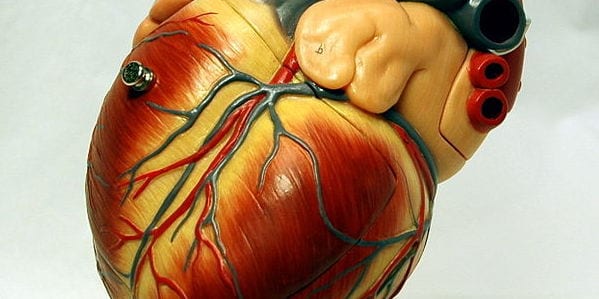
Image: PD

©2025 2 Minute Medicine, Inc. All rights reserved. No works may be reproduced without expressed written consent from 2 Minute Medicine, Inc. Inquire about licensing here. No article should be construed as medical advice and is not intended as such by the authors or by 2 Minute Medicine, Inc.

Tags: aortic stenosisCADcardiologyPCISurgeryTAVI
Previous Post

2 Minute Medicine Rewind March 3, 2025

Next Post

#VisualAbstract: Pridopidine Does Not Impact the Progression of Amyotrophic Lateral Sclerosis

RelatedReports

Computed tomography improves diagnostic certainty in the emergency department
Cardiology

Two scores for risk stratification of adults presenting with syncope may be effective at identifying those with low risk

May 29, 2026
Antiarrhythmic drugs have no survival benefit in shock-refractory out-of-hospital cardiac arrest
Cardiology

Resuscitative endovascular balloon occlusion of the aorta may not improve outcomes in adults with non-traumatic out-of-hospital cardiac arrest

May 14, 2026
Single-site robotic cholecystectomy is safe, but technically challenging
Gastroenterology

A robotic approach for ventral hernia repair may improve postoperative outcomes

May 4, 2026
Systematic review examines benefits and adverse effects of cannabinoid therapy
Weekly Rewinds

2 Minute Medicine Rewind May 4, 2026

May 4, 2026
Next Post
#VisualAbstract: Pridopidine Does Not Impact the Progression of Amyotrophic Lateral Sclerosis

#VisualAbstract: Pridopidine Does Not Impact the Progression of Amyotrophic Lateral Sclerosis

Insulin costs rose exponentially, regardless of formulation or patent

Weekly insulin efsitora noninferior to daily degludec in reducing glycated hemoglobin levels

Variation in NICU antibiotic use not linked to outcomes

Bedaquiline monotherapy may be effective at improving multibacillary leprosy.

2 Minute Medicine® is an award winning, physician-run, expert medical media company. Our content is curated, written and edited by practicing health professionals who have clinical and scientific expertise in their field of reporting. Our editorial management team is comprised of highly-trained MD physicians. Join numerous brands, companies, and hospitals who trust our licensed content.

Recent Reports

  • Two scores for risk stratification of adults presenting with syncope may be effective at identifying those with low risk
  • Use of procalcitonin in neonatal late-onset sepsis may reduce the duration of antibiotic therapy without increase in mortality
  • A novel therapy targeting γ-aminobutyric acid is safe and may be effective in major depressive disorder
License Content
Terms of Use | Disclaimer
Cookie Policy
Privacy Statement (EU)
Disclaimer
  • Specialties
    • All Specialties, All Recent Reports
    • Cardiology
    • Chronic Disease
    • Dermatology
    • Emergency
    • Endocrinology
    • Gastroenterology
    • Imaging and Intervention
    • Infectious Disease
    • Nephrology
    • Neurology
    • Obstetrics
    • Oncology
    • Ophthalmology
    • Pediatrics
    • Pharma
    • Preclinical
    • Psychiatry
    • Public Health
    • Pulmonology
    • Rheumatology
    • Surgery
  • Tools
    • EvidencePulse™
    • RVU Search
    • NPI Registry Lookup
  • Pharma
  • AI News
  • The Scan
  • Classics™
    • 2MM+ Online Access
    • Paperback and Ebook
  • Rewinds
  • Partners
    • License Content
    • Submit Press Release
    • Advertise with Us
  • Account
    • Subscribe
    • Sign-in
    • My account
No Result
View All Result

© 2026 2 Minute Medicine, Inc. - Physician-written medical news.