• About
  • Masthead
  • License Content
  • Advertise
  • Press Releases
  • Newsroom
  • RSS/Email List
  • 2MM Podcast
  • Write for us
  • Contact Us
2 Minute Medicine
No Result
View All Result

No products in the cart.

Sign in
SUBSCRIBE
  • About
  • Specialties
    • All Specialties, All Recent Reports
    • Cardiology
    • Chronic Disease
    • Dermatology
    • Emergency
    • Endocrinology
    • Gastroenterology
    • Imaging and Intervention
    • Infectious Disease
    • Nephrology
    • Neurology
    • Obstetrics
    • Oncology
    • Ophthalmology
    • Pediatrics
    • Pharma
    • Preclinical
    • Psychiatry
    • Public Health
    • Pulmonology
    • Rheumatology
    • Surgery
    • Rewinds
    • The Scan
  • EvidencePulse™
  • HypeCheck™
  • AI News
  • Classics™
    • 2MM+ Online Access
    • Paperback and Ebook
  • Tools
    • NPI Registry Lookup
    • RVU Search
  • Partners
    • License Content
    • Advertise with Us
2 Minute Medicine
  • About
  • Specialties
    • All Specialties, All Recent Reports
    • Cardiology
    • Chronic Disease
    • Dermatology
    • Emergency
    • Endocrinology
    • Gastroenterology
    • Imaging and Intervention
    • Infectious Disease
    • Nephrology
    • Neurology
    • Obstetrics
    • Oncology
    • Ophthalmology
    • Pediatrics
    • Pharma
    • Preclinical
    • Psychiatry
    • Public Health
    • Pulmonology
    • Rheumatology
    • Surgery
    • Rewinds
    • The Scan
  • EvidencePulse™
  • HypeCheck™
  • AI News
  • Classics™
    • 2MM+ Online Access
    • Paperback and Ebook
  • Tools
    • NPI Registry Lookup
    • RVU Search
  • Partners
    • License Content
    • Advertise with Us
Sign in
SUBSCRIBE
2 Minute Medicine
Sign in
Subscribe
2 Minute MedicineFree on Google PlayGet
✦ EvidencePulse™ by 2 Minute Medicine 2026 evidence scan 3 reports You asked top stroke trials 2026 Synthesizing medical evidence... Top 2026 stroke trial results: OCEANIC — ischemic stroke: 6.2% vs 8.4% OPTION* — mRS 0–1: 43.6% vs 34.2% ORIENTAL* — mRS 0–2: 58.6% vs 46.6% *Higher sICH in intervention arms Participants randomizedN OCEANIC 12,327 OPTION 570 ORIENTAL 564 Ask about guidelines or landmark trials... ↑ Try EvidencePulse™ Ask the evidence.
Get the signal.
Try it now → Physician-trained medical AI by 2 Minute Medicine
Home All Specialties Cardiology

Reduced risk of hyperkalemia with sacubitril/valsartan compared to enalapril in presence of mineralocorticoid receptor antagonist: The PARADIGM-HF trial
byShayna BejaimalandAnees Daud
November 16, 2016
in Cardiology, Chronic Disease, Nephrology
Reading Time: 2 mins read
Remote patient monitoring did not reduce heart failure readmissions: The BEAT-HF trial
Share on FacebookShare on TwitterShare on LinkedIn

1. In this secondary analysis of the PARADIGM-HF trial, amongst patients receiving mineralocorticoid receptor antagonists, rates of severe hyperkalemia (>6.0 mEq/L) were reduced in the group randomized to sacubitril/valsartan as compared to the group receiving enalapril.

2. Overall rates of any hyperkalemia (>5.5 mEq/L or >6.0 mEq/L) were not significantly different between the two groups.

Evidence Rating Level: 2 (Good)

Study Rundown: The use of mineralocorticoid receptor antagonists (MRAs), like spironolactone, have been proven to have mortality benefit in specific subset of patients with heart failure with reduced ejection fraction (HFrEF). However, there may be an increased risk of hyperkalemia if MRAs are also used with other renin-angiotensin-aldosterone system (RAAS) inhibitors, like angiotensin converting enzyme (ACE) inhibitors. This secondary analysis of the PARADIGM-HF trial aimed to determine whether the risk of hyperkalemia associated with use of MRAs for patients with HFrEF was reduced by sacubitril/valsartan (study drug) compared to enalapril.

Amongst patients taking MRAs in the PARADIGM-HF trial, either chronically or at the onset of the trial, the risk of severe hyperkalemia (defined as level >6.0 mEq/L) was higher amongst those randomized to enalapril compared with those receiving sacubitril/valsartan. However, overall rates of hyperkalemia (both moderate and severe) were not significantly increased across groups. Strengths of this study included the high quality randomization design and the multi-center involvement. Limitations of this study included the fact that this was a secondary analysis of pre-existing data, which may bias the results.

Click to read the study, published today in JAMA Cardiology

RELATED REPORTS

Influenza vaccination improves survival and reduces readmissions in patients hospitalized for acute heart failure

Ablation may reduce stroke risk, death, heart failure hospitalization in patients with atrial fibrillation

Relevant Reading: Angiotensin–Neprilysin Inhibition versus Enalapril in Heart Failure (PARADIGM-HF)

In-Depth [secondary analysis]: This analysis used data from the PARADIGM-HF trial, which randomized patients with HFrEF and symptoms in the range of NYHA class II to IV to enalapril 10 mg twice daily or sacubitril/valsartan 97/103 mg (study drug) twice daily. Patients were also placed on MRAs at the discretion of the study investigators according to clinical indications. Serial potassium levels were measured during all trial follow-up. This analysis examined the risk of hyperkalemia (potassium >5.5 mEq/L) or severe hyperkalemia (potassium >6.0 mEq/L) in patients on MRAs at baseline and those who were put on an MRA during the study, across the two drug groups. Cox proportional hazard models were used to determine risk of hyperkalemia.

At baseline, 4671 patients were taking an MRA. In this group, the overall rates of both moderate and severe hyperkalemia were similar, however severe hyperkalemia was more common in patients in the enalapril group as compared to sacubitril/valsartan group (HR 1.37; 95%CI 1.06-1.76; p = 0.02). In patients who ended up on an MRA during the trial, the results were similar: no significant difference in overall rates of hyperkalemia but increased rates of severe hyperkalemia in the enalapril group as compared to sacubitril/valsartan (HR 1.43; 95%CI 1.13-1.81; p = 0.003).

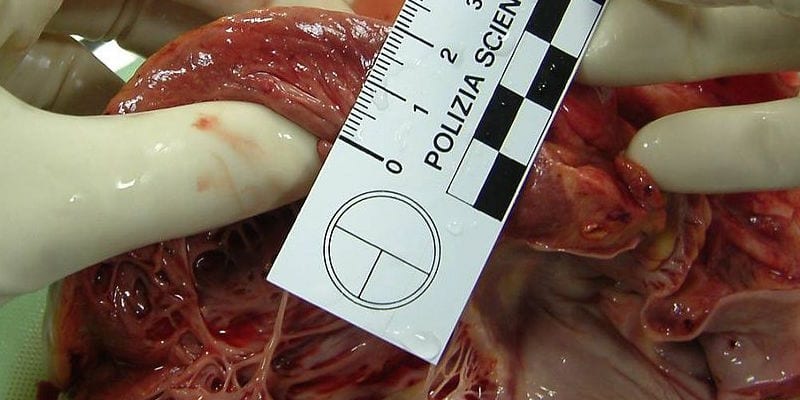
Image: PD

©2016 2 Minute Medicine, Inc. All rights reserved. No works may be reproduced without expressed written consent from 2 Minute Medicine, Inc. Inquire about licensing here. No article should be construed as medical advice and is not intended as such by the authors or by 2 Minute Medicine, Inc.

Tags: congestive heart failure
Previous Post

Narrowing disparities in access to healthcare among children

Next Post

Combination therapy effectively treats hepatocellular carcinoma in mice [PreClinical]

RelatedReports

Medical vaccine exemptions increase after elimination of nonmedical exemptions
Cardiology

Influenza vaccination improves survival and reduces readmissions in patients hospitalized for acute heart failure

October 29, 2025
Atrial fibrillation-specific management increases days alive and out of hospital
Cardiology

Ablation may reduce stroke risk, death, heart failure hospitalization in patients with atrial fibrillation

August 29, 2026
Quick Take: Association of Rivaroxaban With Thromboembolic Events in Patients With Heart Failure, Coronary Disease, and Sinus Rhythm
Cardiology

Mineralocorticoid receptor antagonists reduce hospitalizations in patients with heart failure with preserved or mildly reduced ejection fraction

October 18, 2024
Pharma

Bayer’s Kerendia demonstrates success in phase 3 clinical trials for treatment of heart failure

October 3, 2024
Next Post
Prognostic nomograms predict survival after chemoembolization of hepatocellular carcinoma

Combination therapy effectively treats hepatocellular carcinoma in mice [PreClinical]

Endostatin directly binds androgen receptors to treat prostate cancer [PreClinical]

2 Minute Medicine Rewind November 14, 2016

Anti-TNF therapy for inflammatory bowel disease may induce skin lesions

Ustekinumab linked with efficacy in treatment of Crohn’s disease: The UNITI-1 & 2, IM-UNITI trials

✦ EvidencePulse™ by 2 Minute Medicine 2026 evidence scan 3 reports You asked top stroke trials 2026 Synthesizing medical evidence... Top 2026 stroke trial results: OCEANIC — ischemic stroke: 6.2% vs 8.4% OPTION* — mRS 0–1: 43.6% vs 34.2% ORIENTAL* — mRS 0–2: 58.6% vs 46.6% *Higher sICH in intervention arms Participants randomizedN OCEANIC 12,327 OPTION 570 ORIENTAL 564 Ask about guidelines or landmark trials... Try EvidencePulse™ Get the signal. Try it now → Physician-trained medical AI by 2 Minute Medicine

2MM+ All Access

Full details →
$4.99 /month

3-day free trial · cancel anytime

  • ✓100+ physician-written reports
  • ✓EvidencePulse™ + HypeCheck™
  • ✓Ad-free reading + newsletters
Start 3-day free trial

Then $4.99/month. Manage renewal in your account.

NPI Lookup · Free

Look up any US clinician

Search by name or NPI number, live from the CMS NPI Registry.

  • OIG exclusion check
  • Licenses and specialties
  • No account needed
Open NPI Lookup →

2 Minute Medicine® is an award winning, physician-run, expert medical media company. Our content is curated, written and edited by practicing health professionals who have clinical and scientific expertise in their field of reporting. Our editorial management team is comprised of highly-trained MD physicians. Join numerous brands, companies, and hospitals who trust our licensed content.

Recent Reports

  • Tarlatamab plus durvalumab improved survival versus durvalumab alone in extensive-stage small cell lung cancer, Amgen reports in interim phase 3 results
  • Sacituzumab tirumotecan improved overall survival versus platinum chemotherapy in company-reported final phase 3 results
  • Camupepimut did not improve disease-free survival versus observation in pancreatic cancer in the randomized phase 2 AMPLIFY-7P trial
License Content
Terms of Use | Disclaimer
Cookie Policy

Get the app

Read 2 Minute Medicine on iPhone, iPad and Android.

Download on the App StoreGet it on Google Play
QR code for www.2minutemedicine.com/app
On a computer? Scan this with your phone’s camera.
2MM+ All Access Full details →

The medical literature, distilled daily.

Monthly plan selected: $4.99 /month.

$4.99/month

3-day free trial · cancel anytime

Start 3-day free trial

Then $4.99/month. Manage renewal in your account.

Yearly plan selected: $49.90 /year.

$49.90/year

2 months free

Start 3-day free trial

Then $49.90/year.

Membership benefits

  • ✓100+ physician-written reports
  • ✓AI EvidencePulse™ + HypeCheck™
  • ✓Ad-free reading + newsletters
  • ✓NPI watchlist + bulk NPI verification

Already a member? Sign in

  • Get the app
  • About
  • Specialties
    • All Specialties, All Recent Reports
    • Cardiology
    • Chronic Disease
    • Dermatology
    • Emergency
    • Endocrinology
    • Gastroenterology
    • Imaging and Intervention
    • Infectious Disease
    • Nephrology
    • Neurology
    • Obstetrics
    • Oncology
    • Ophthalmology
    • Pediatrics
    • Pharma
    • Preclinical
    • Psychiatry
    • Public Health
    • Pulmonology
    • Rheumatology
    • Surgery
    • Rewinds
    • The Scan
  • EvidencePulse™
  • HypeCheck™
  • AI News
  • Classics™
    • 2MM+ Online Access
    • Paperback and Ebook
  • Tools
    • NPI Registry Lookup
    • RVU Search
  • Partners
    • License Content
    • Advertise with Us
No Result
View All Result

© 2026 2 Minute Medicine, Inc. - Physician-written medical news.