Renal point-of-care ultrasound may be effective at identifying patients with nephrolithiasis
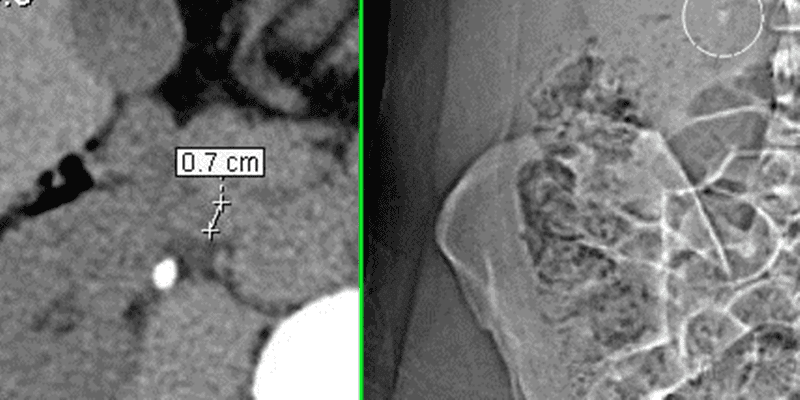
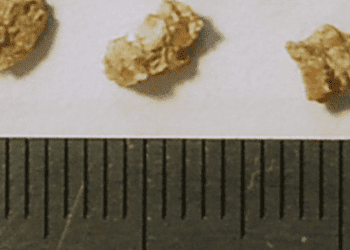
1. Renal point-of-care ultrasound (rPOCUS) findings of hydronephrosis in adult patients presenting to the emergency department (ED) with suspected renal colic were significantly associated with the presence of nephrolithiasis.
Evidence Rating Level: 2 (Good)
Computed tomography (CT) is the best imaging modality for identifying nephrolithiasis. However, it exposes patients to radiation, leads to increased ED resource utilization and longer length of stay, and reveals incidental findings that often lead to downstream testing without benefit. rPOCUS allows providers to provide rapid, bedside assessment of hydronephrosis, a clinically meaningful marker of urethral obstruction. Previous studies have shown that ultrasound-first imaging strategies result in similar clinical outcomes to CT-first strategies. This single-centre, retrospective cohort study included patients 18 years and older who underwent rPOCUS for evaluation of suspected renal colic. Among 188 patients, 89 (47.3%; mean [SD] age, 47.4 [17.1] years; 51% female) demonstrated hydronephrosis and 99 (52.7%; mean [SD] age, 44.8 [15.9] years; 59% female) did not. The presence of hydronephrosis was significantly associated with a higher rate of nephrolithiasis history (65% vs. 51%; p = 0.03), prior urologic procedures (27% vs. 14%; p = 0.029), abnormal renal function (28% vs. 13%; p = 0.025), symptom duration of less than 24 hours (56% vs. 33%; p = 0.0013), presenting with a chief complaint of kidney stone (24% vs. 9%; p = 0.0067). It also predicted receiving a final ED diagnosis of renal colic (78% vs. 27%; p < 0.001). CT scans were more often obtained in patients with hydronephrosis (72% vs 44%; adjusted OR 2.63, 95% CI 1.29–5.46). Mean length of stay did not differ by hydronephrosis status (269 vs 273 minutes; p = 0.81), but LOS was longer when CT was performed (p < 0.01). These findings suggest rPOCUS is effective at correctly identifying patients with nephrolithiasis, although operational benefits were limited as these patients often continued to receive CT imaging.
Click here to read the study in The Journal of Emergency Medicine
Image: PD
©2026 2 Minute Medicine, Inc. All rights reserved. No works may be reproduced without expressed written consent from 2 Minute Medicine, Inc. Inquire about licensing here. No article should be construed as medical advice and is not intended as such by the authors or by 2 Minute Medicine, Inc.