

• About
  • Masthead
  • License Content
  • Advertise
  • Submit Press Release
  • RSS/Email List
  • 2MM Podcast
  • Write for us
  • Contact Us
2 Minute Medicine
No Result
View All Result

No products in the cart.

SUBSCRIBE
  • Specialties
    • All Specialties, All Recent Reports
    • Cardiology
    • Chronic Disease
    • Dermatology
    • Emergency
    • Endocrinology
    • Gastroenterology
    • Imaging and Intervention
    • Infectious Disease
    • Nephrology
    • Neurology
    • Obstetrics
    • Oncology
    • Ophthalmology
    • Pediatrics
    • Pharma
    • Preclinical
    • Psychiatry
    • Public Health
    • Pulmonology
    • Rheumatology
    • Surgery
  • Tools
    • EvidencePulse™
    • RVU Search
    • NPI Registry Lookup
  • Pharma
  • AI News
  • The Scan+
  • Classics™+
    • 2MM+ Online Access
    • Paperback and Ebook
  • Rewinds
  • Partners
    • License Content
    • Submit Press Release
    • Advertise with Us
  • Account
    • Subscribe
    • Sign-in
    • My account
2 Minute Medicine
  • Specialties
    • All Specialties, All Recent Reports
    • Cardiology
    • Chronic Disease
    • Dermatology
    • Emergency
    • Endocrinology
    • Gastroenterology
    • Imaging and Intervention
    • Infectious Disease
    • Nephrology
    • Neurology
    • Obstetrics
    • Oncology
    • Ophthalmology
    • Pediatrics
    • Pharma
    • Preclinical
    • Psychiatry
    • Public Health
    • Pulmonology
    • Rheumatology
    • Surgery
  • Tools
    • EvidencePulse™
    • RVU Search
    • NPI Registry Lookup
  • Pharma
  • AI News
  • The Scan+
  • Classics™+
    • 2MM+ Online Access
    • Paperback and Ebook
  • Rewinds
  • Partners
    • License Content
    • Submit Press Release
    • Advertise with Us
  • Account
    • Subscribe
    • Sign-in
    • My account
SUBSCRIBE
2 Minute Medicine
Subscribe
Home All Specialties Chronic Disease

Risk of HBV reactivation associated with rituximab-containing chemotherapy

byMonica ParksandDavid Wang
October 11, 2014
in Chronic Disease, Infectious Disease
Reading Time: 3 mins read
0
Share on FacebookShare on Twitter

1. HBsAg-negative, anti-HBc-positive patients in endemic populations undergoing rituximab-containing chemotherapy had a high rate of HBV reactivation.

2. Baseline undetectable HBsAg antibody level (<10 mIU/mL) was the only risk factor associated with reactivation of HBV.

Evidence Rating Level: 2 (Good)

Study Rundown:  Immunosuppressive therapy has been previously associated with viral reactivation among patients with chronic hepatitis B virus (HBV) infections. Patients who are HBsAg-negative, anti-HBc positive may have had previously resolved or occult infection with potential for reactivation. Previous retrospective studies have found large variations with regards to the risks of reactivation in this population. The purpose of this study was to provide prospective data on the risk of HBV reactivation in patients with occult/chronic HBV infections undergoing immunosuppressive therapy.

This trial prospectively followed 63 HBsAg-negative, anti-HBc-positive Chinese patients who underwent rituximab-containing therapy. After a median follow-up of 70 weeks, the authors found that the 2-year risk of HBV reactivation in this population cohort was 41.5%. When stratified by baseline HBsAg antibody level, having undetectable (<10 mIU/mL) levels of anti-HBsAg antibodies was significantly associated with HBV reaction (up to 68% risk at 2 years). The study had a strict definition of HBV reactivation (HBV DNA >10 IU/mL), and all cases of reactivation were successfully controlled by administration of entecavir. The results of this trial suggests that patients with chronic HBV infections are at increased risk of reactivation when undergoing rituximab-based chemotherapy. Furthermore, it supports the use of prophylactic antiviral therapy for patients at increased reactivation risk—patients with undetectable anti-HBsAg-antibodies. However, this study was underpowered, only included Chinese patients, and may not reflect the reactivation patterns in patient populations in non-endemic regions.

Click to read the study in Journal of Clinical Oncology

RELATED REPORTS

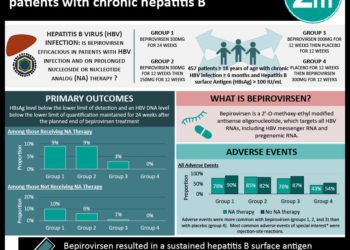
#VisualAbstract: Bepirovirsen may reduce disease burden in patients with chronic hepatitis B

Bepirovirsen may reduce disease burden in patients with chronic hepatitis B

High-dose Hepatitis B revaccination schedule improves serological response among patients with Human Immunodeficiency Virus

Relevant Reading: Hepatitis B Virus Reactivation in Lymphoma Patients With Prior Resolved Hepatitis B Undergoing Anticancer Therapy With or Without Rituximab

In-Depth [prospective cohort]: This prospective observational study enrolled a total of 64 HBsAg-negative, anti-HBc-positive Chinese patients being treated with rituximab-containing chemotherapies for hematologic malignancies. All patients had undetectable serum HBV DNA at baseline. Patients were monitored every 4 weeks up to 2 years (median follow up: 70 weeks). The primary end-point was HBV reactivation, defined as detectable HBV DNA >10IU/mL. Secondary endpoints were HBsAg positivity at reactivation, ALT elevation at reactivation, and overall survival. Patients with biochemical evidence of reactivation were started on entecavir 0.5mg/day until 12 months after cessation of chemotherapy. Overall, the cumulative rate of HBV reactivation at 6 months, 1 year, and 2 years were 22.6%, 29.4%, and 41.5%, respectively. The median HBV DNA level at reactivation was 43 IU/mL (range: 14-290 IU/mL). Serum ALT were normal for all patients with HBV reactivation. Multi-variate analysis demonstrate that the only significant risk factor for reactivation was a baseline undetectable antibody to HBsAg (HR 3.51, 95% CI, 1.37-8.98, p = 0.009).

More from this author: Rituximab linked with reduced chronic immune disease following stem cell transplantation, High-dose prophylaxis for hemophilia increases costs with minimal benefit, Ambrisentan found ineffective against idiopathic pulmonary fibrosis

Image: PD

©2012-2014 2minutemedicine.com. All rights reserved. No works may be reproduced without expressed written consent from 2minutemedicine.com. Disclaimer: We present factual information directly from peer reviewed medical journals. No post should be construed as medical advice and is not intended as such by the authors, editors, staff or by 2minutemedicine.com. PLEASE SEE A HEALTHCARE PROVIDER IN YOUR AREA IF YOU SEEK MEDICAL ADVICE OF ANY SORT.

Tags: hepatitis b
Previous Post

Sanitation efforts may not be effective at preventing fecal exposure in India

Next Post

DNA from tampons may be a sensitive test for high-grade ovarian cancer

RelatedReports

#VisualAbstract: Bepirovirsen may reduce disease burden in patients with chronic hepatitis B
StudyGraphics

#VisualAbstract: Bepirovirsen may reduce disease burden in patients with chronic hepatitis B

December 14, 2022
Spleen elastography may be effective in the diagnosis of portal hypertension
Chronic Disease

Bepirovirsen may reduce disease burden in patients with chronic hepatitis B

December 22, 2022
Compliance-linked incentives increase infant immunizations rates in rural India
Chronic Disease

High-dose Hepatitis B revaccination schedule improves serological response among patients with Human Immunodeficiency Virus

August 24, 2021
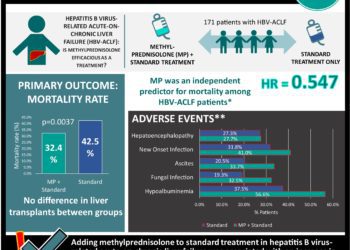
#VisualAbstract: Adjunctive methylprednisolone treatment for hepatitis B acute-on-chronic liver failure associated with increased survival
StudyGraphics

#VisualAbstract: Adjunctive methylprednisolone treatment for hepatitis B acute-on-chronic liver failure associated with increased survival

December 23, 2020
Next Post
DNA from tampons may be a sensitive test for high-grade ovarian cancer

DNA from tampons may be a sensitive test for high-grade ovarian cancer

Single-site robotic cholecystectomy is safe, but technically challenging

Robotic adnexal surgeries may have more complications than laparoscopic

Internal monitors associated with fever in laboring mothers

Increased nuchal translucency linked to progesterone therapy

2 Minute Medicine® is an award winning, physician-run, expert medical media company. Our content is curated, written and edited by practicing health professionals who have clinical and scientific expertise in their field of reporting. Our editorial management team is comprised of highly-trained MD physicians. Join numerous brands, companies, and hospitals who trust our licensed content.

Recent Reports

  • The incidence of psychotic disorders has increased in more recent birth cohorts
  • 2 Minute Medicine Rewind February 9, 2026
  • An ultrasound test may more reliably detect ovarian cancer in premenopausal women than the Risk of Malignancy Index
License Content
Terms of Use | Disclaimer
Cookie Policy
Privacy Statement (EU)
Disclaimer

© 2025 2 Minute Medicine, Inc. - Physician-written medical news.

  • Specialties
    • All Specialties, All Recent Reports
    • Cardiology
    • Chronic Disease
    • Dermatology
    • Emergency
    • Endocrinology
    • Gastroenterology
    • Imaging and Intervention
    • Infectious Disease
    • Nephrology
    • Neurology
    • Obstetrics
    • Oncology
    • Ophthalmology
    • Pediatrics
    • Pharma
    • Preclinical
    • Psychiatry
    • Public Health
    • Pulmonology
    • Rheumatology
    • Surgery
  • Tools
    • EvidencePulse™
    • RVU Search
    • NPI Registry Lookup
  • Pharma
  • AI News
  • The Scan
  • Classics™
    • 2MM+ Online Access
    • Paperback and Ebook
  • Rewinds
  • Partners
    • License Content
    • Submit Press Release
    • Advertise with Us
  • Account
    • Subscribe
    • Sign-in
    • My account
No Result
View All Result

© 2025 2 Minute Medicine, Inc. - Physician-written medical news.