• About
  • Masthead
  • License Content
  • Advertise
  • Submit Press Release
  • RSS/Email List
  • 2MM Podcast
  • Write for us
  • Contact Us
2 Minute Medicine
No Result
View All Result

No products in the cart.

SUBSCRIBE
  • Specialties
    • All Specialties, All Recent Reports
    • Cardiology
    • Chronic Disease
    • Dermatology
    • Emergency
    • Endocrinology
    • Gastroenterology
    • Imaging and Intervention
    • Infectious Disease
    • Nephrology
    • Neurology
    • Obstetrics
    • Oncology
    • Ophthalmology
    • Pediatrics
    • Pharma
    • Preclinical
    • Psychiatry
    • Public Health
    • Pulmonology
    • Rheumatology
    • Surgery
  • Tools
    • EvidencePulse™
    • RVU Search
    • NPI Registry Lookup
  • Pharma
  • AI News
  • The Scan+
  • Classics™+
    • 2MM+ Online Access
    • Paperback and Ebook
  • Rewinds
  • Partners
    • License Content
    • Submit Press Release
    • Advertise with Us
  • Account
    • Subscribe
    • Sign-in
    • My account
2 Minute Medicine
  • Specialties
    • All Specialties, All Recent Reports
    • Cardiology
    • Chronic Disease
    • Dermatology
    • Emergency
    • Endocrinology
    • Gastroenterology
    • Imaging and Intervention
    • Infectious Disease
    • Nephrology
    • Neurology
    • Obstetrics
    • Oncology
    • Ophthalmology
    • Pediatrics
    • Pharma
    • Preclinical
    • Psychiatry
    • Public Health
    • Pulmonology
    • Rheumatology
    • Surgery
  • Tools
    • EvidencePulse™
    • RVU Search
    • NPI Registry Lookup
  • Pharma
  • AI News
  • The Scan+
  • Classics™+
    • 2MM+ Online Access
    • Paperback and Ebook
  • Rewinds
  • Partners
    • License Content
    • Submit Press Release
    • Advertise with Us
  • Account
    • Subscribe
    • Sign-in
    • My account
SUBSCRIBE
2 Minute Medicine
Subscribe
Home All Specialties Cardiology

Routine invasive strategy not associated with improved outcomes in older adults with frailty and non-ST segment elevation acute myocardial infarction
byZoya GomesandYuchen Dai
March 11, 2023
in Cardiology, Imaging and Intervention
Reading Time: 3 mins read
0
Share on FacebookShare on Twitter

1. In this randomized clinical trial, among 167 older adults with frailty and non-ST segment elevation acute myocardial infarction (NSTEMI), a routine invasive strategy did not significantly increase the number of days alive and out of the hospital from discharge to 1-year when compared to a conservative strategy.

2. Days alive and out of the hospital from discharge to 1 year was approximately 1 month greater for patients managed conservatively (312 days) vs patients managed invasively (284 days), and not statistically significant.

Evidence Rating Level:1 (Excellent)

Study Rundown: Frailty is known to negatively impact the prognosis of NSTEMI in older adults. The optimal management of these patients, including invasive or conservative strategies, remains largely unknown. This multicenter randomized clinical trial aimed to compare outcomes of invasive and conservative strategies in frail, older patients with NSTEMI at 1 year. Patients were recruited from 13 Spanish hospitals between July 2017 to January 2021. A total of 167 older adults (≥ 70 years) were randomized to routine invasive (coronary angiography and revascularization; n = 84) or conservative (medical treatment with coronary angiography for recurrent ischemia; n = 83) strategies. The primary outcome was the number of days alive and out of the hospital (DAOH) from discharge to 1-year. DAOH was 28 days greater for patients managed conservatively (312 days) than those managed invasively (284 days). There was a 28-day shorter survival in the invasive vs conservatively managed group. No sex-specific differences in outcomes were found. A limitation of this study was that due to the constraints of the COVID-19 pandemic, only 95% of the estimated sample size was recruited. A major strength of this study was its novel approach to investigating the relationship between invasive vs conservative therapy in frail older adults.

Click to read the study in JAMA Internal Medicine

Click to read an accompanying invited commentary in JAMA Internal Medicine

RELATED REPORTS

A guided mobile application may validly and efficiently assess sarcopenia and frailty in elderly patients

2 Minute Medicine Rewind January 5, 2026

2 Minute Medicine Rewind December 29th, 2025

Relevant Reading: Invasive versus non-invasive management of older patients with non-ST elevation myocardial infarction (SENIOR-NSTEMI): a cohort study based on routine clinical data

In-Depth [randomized controlled trial]: This study investigated invasive vs conservative strategies for the management of frail older adults with NSTEMI at 1 year. This multicenter trial was conducted at 13 Spanish hospitals between July 7, 2017, and January 9, 2021. A total of 167 older adults (mean [SD] age, 86 [5] years, and mean [SD] Clinical Frailty Scale score, 5 [1]) with a Clinical Frailty Scale score ≥ 4, and NSTEMI were randomized to receive either routine invasive (coronary angiography and revascularization if feasible; n = 84) or conservative (medical treatment with coronary angiography for recurrent ischemia; n = 83) strategies. The primary endpoints were DAOH from discharge to 1 year, and a composite of cardiac death, reinfarction, or post-discharge revascularization. This study was prematurely stopped due to the constraints of the COVID-19 pandemic, and as a result, only 95% of the calculated sample size was enrolled. DAOH was found to be approximately 1 month (28 days; 95% CI, -7 to 62) greater for patients managed conservatively (312 days; 95% CI, 289 to 335) vs patients managed invasively (284 days; 95% CI, 255 to 311; P = .12). There was a 28-day shorter survival in the invasive vs conservatively managed group (95% CI, -63 to 7 days; restricted mean survival time analysis). 56% of readmissions were due to noncardiac reasons. No differences between groups were found in the number of readmissions or days spent in the hospital after discharge to 1 year. Additionally, in terms of ischemic cardiac events, no differences were found between groups (subdistribution hazard ratio, 0.92; 95% CI, 0.54-1.57; P =.78).

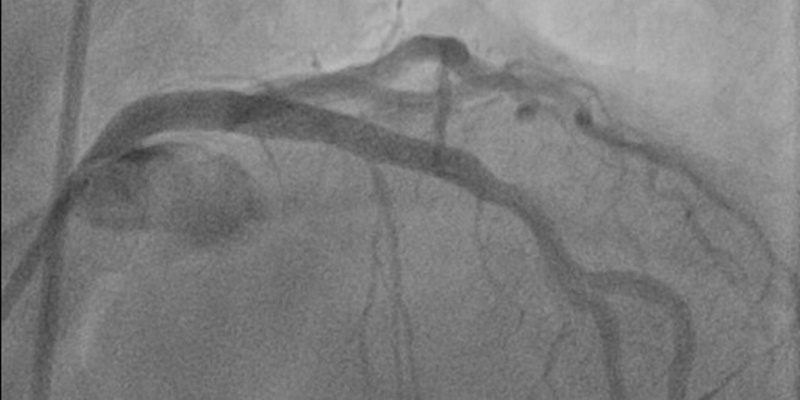
Image: PD

©2023 2 Minute Medicine, Inc. All rights reserved. No works may be reproduced without expressed written consent from 2 Minute Medicine, Inc. Inquire about licensing here. No article should be construed as medical advice and is not intended as such by the authors or by 2 Minute Medicine, Inc.

Tags: acute coronary syndrome (ACS)frailtynstemi
Previous Post

Supplementation of breastmilk with bovine formula not associated with differences in gut microbiome

Next Post

Outpatient surgery trends during before and after the onset of the COVID-19 pandemic

RelatedReports

Chronic Disease

A guided mobile application may validly and efficiently assess sarcopenia and frailty in elderly patients

January 12, 2026
Using HEART score to risk stratify patients with chest pain is safe but underutilized in the ED
Weekly Rewinds

2 Minute Medicine Rewind January 5, 2026

January 13, 2026
Admission may not be needed following sleep apnea surgery
Weekly Rewinds

2 Minute Medicine Rewind December 29th, 2025

January 12, 2026
Elective colectomy associated with improved survival in ulcerative colitis
Weekly Rewinds

2 Minute Medicine Rewind November 24, 2025

November 24, 2025
Next Post
Survival greater in cervical cancer patients undergoing abdominal hysterectomy compared to minimally invasive techniques: the LACC trial

Outpatient surgery trends during before and after the onset of the COVID-19 pandemic

Preoperative bilateral breast imaging may reduce contralateral cancer recurrence

Combination therapy with alisterib and fulvestrant may be clinically advantageous in the treatment of endocrine-resistant advanced breast cancer

Novel coronavirus identified from patients with pneumonia in Wuhan, China

2 Minute Medicine Rewind March 13, 2023

2 Minute Medicine® is an award winning, physician-run, expert medical media company. Our content is curated, written and edited by practicing health professionals who have clinical and scientific expertise in their field of reporting. Our editorial management team is comprised of highly-trained MD physicians. Join numerous brands, companies, and hospitals who trust our licensed content.

Recent Reports

  • Several serum proteins may provide prognostic value in metabolic dysfunction-associated steatotic liver disease
  • Small-bites fascial closure reduces long-term risk of incisional hernia after midline laparotomy
  • TikTok “Fibermaxxing” trend targets gut microbiome health
License Content
Terms of Use | Disclaimer
Cookie Policy
Privacy Statement (EU)
Disclaimer

The Classics in Medicine Paperback Released!

Over the past 30 years, the transition from print to digital media has contributed to an exponential increase in medical literature. In response, 2 Minute Medicine presents 160+ authoritative, physician-written summaries of the most cited landmark trials in medicine.

amazon-logo_blackGet-it-on-iBooks-badge

Click anywhere to close this announcement

  • Specialties
    • All Specialties, All Recent Reports
    • Cardiology
    • Chronic Disease
    • Dermatology
    • Emergency
    • Endocrinology
    • Gastroenterology
    • Imaging and Intervention
    • Infectious Disease
    • Nephrology
    • Neurology
    • Obstetrics
    • Oncology
    • Ophthalmology
    • Pediatrics
    • Pharma
    • Preclinical
    • Psychiatry
    • Public Health
    • Pulmonology
    • Rheumatology
    • Surgery
  • Tools
    • EvidencePulse™
    • RVU Search
    • NPI Registry Lookup
  • Pharma
  • AI News
  • The Scan
  • Classics™
    • 2MM+ Online Access
    • Paperback and Ebook
  • Rewinds
  • Partners
    • License Content
    • Submit Press Release
    • Advertise with Us
  • Account
    • Subscribe
    • Sign-in
    • My account
No Result
View All Result

© 2026 2 Minute Medicine, Inc. - Physician-written medical news.