




• About
  • Masthead
  • License Content
  • Advertise
  • Submit Press Release
  • RSS/Email List
  • 2MM Podcast
  • Write for us
  • Contact Us
2 Minute Medicine
No Result
View All Result

No products in the cart.

SUBSCRIBE
  • Specialties
    • All Specialties, All Recent Reports
    • Cardiology
    • Chronic Disease
    • Dermatology
    • Emergency
    • Endocrinology
    • Gastroenterology
    • Imaging and Intervention
    • Infectious Disease
    • Nephrology
    • Neurology
    • Obstetrics
    • Oncology
    • Ophthalmology
    • Pediatrics
    • Pharma
    • Preclinical
    • Psychiatry
    • Public Health
    • Pulmonology
    • Rheumatology
    • Surgery
  • Tools
    • EvidencePulse™
    • RVU Search
    • NPI Registry Lookup
  • Pharma
  • AI News
  • The Scan+
  • Classics™+
    • 2MM+ Online Access
    • Paperback and Ebook
  • Rewinds
  • Partners
    • License Content
    • Submit Press Release
    • Advertise with Us
  • Account
    • Subscribe
    • Sign-in
    • My account
2 Minute Medicine
  • Specialties
    • All Specialties, All Recent Reports
    • Cardiology
    • Chronic Disease
    • Dermatology
    • Emergency
    • Endocrinology
    • Gastroenterology
    • Imaging and Intervention
    • Infectious Disease
    • Nephrology
    • Neurology
    • Obstetrics
    • Oncology
    • Ophthalmology
    • Pediatrics
    • Pharma
    • Preclinical
    • Psychiatry
    • Public Health
    • Pulmonology
    • Rheumatology
    • Surgery
  • Tools
    • EvidencePulse™
    • RVU Search
    • NPI Registry Lookup
  • Pharma
  • AI News
  • The Scan+
  • Classics™+
    • 2MM+ Online Access
    • Paperback and Ebook
  • Rewinds
  • Partners
    • License Content
    • Submit Press Release
    • Advertise with Us
  • Account
    • Subscribe
    • Sign-in
    • My account
SUBSCRIBE
2 Minute Medicine
Subscribe
Home All Specialties Oncology

Small molecule drug may improve cancer-killing efficacy of oncolytic virus [PreClinical]

byJessica LauandSarah Stapleton
April 8, 2015
in Oncology, Preclinical
Reading Time: 3 mins read
0
Share on FacebookShare on Twitter

1. A small molecule screen identified that microtubule-destabilizing (MD) drugs enhanced the cancer-killing activity of oncolytic vesicular stomatitis virus.

2. In several mouse tumor models, combination therapy of virus and the MD drug colchicine led to increased viral titres and improved survival outcomes when compared to either monotherapy. 

Evidence Rating Level: 2 (Good)

Study Rundown: Oncolytic viruses (OVs) are engineered to specifically target and kill cancer cells. Because their performance in clinical trials has varied widely and subsets of cancers do not respond to OV therapy, researchers look to improve OV efficacy. In this study, the authors showed a potential approach is to complement OV treatment with a pharmacological agent. In a screen the authors identified several small molecules that enhance the cell-killing activity of the oncolytic vesicular stomatitis virus strain VSVΔ51. Nearly half of these identified compounds demonstrated MD activity, in which the drugs targeted microtubules, the filament network inside cells that supports cell structure and intracellular transport.

When paired with VSVΔ51 and administered to a human renal carcinoma cell line, the anti-inflammatory MD drug colchicine was particularly effective in decreasing cell viability. Colchicine improved viral spread and expression of viral proteins in cancer cell lines but not in a normal human fibroblast cell line. VSVΔ51 and colchicine combination therapy was tested in a variety of aggressive, virus-resistant mouse tumor models. Compared to either monotherapy, combination therapy (MD drug + OV) resulted in significantly increased virus levels and improved animal survival.

While colchicine enhancement of viral activity was specific to cancer cells, colchicine itself is considered to be nonspecifically toxic. Indeed, the study data showed that colchicine had microtubule-destabilizing and cytotoxic activity in both normal and cancer cell lines. Overall, this study demonstrated the efficacy of VSVΔ51 and colchicine combination therapy; however, further studies to show the safety of the therapeutic approach are needed.

RELATED REPORTS

Sleeve gastrectomy may produce greater and more durable weight loss than semaglutide in patients with obesity

Fluoxetine may improve hemodynamic status and organ dysfunction in patients with severe sepsis

Home longevity scales generate data that outruns clinical evidence

Click to read the study in Nature Communications

Relevant Reading: VSV strains with defects in their ability to shutdown innate immunity are potent systemic anti-cancer agents

In-Depth [animal study]: This study identified and examined the efficacy of MD compounds paired with OVs for the improvement of cancer therapy. A screen of small molecule drugs that enhanced VSVΔ51 activity identified several classes of MD drugs: colchicinoids, vinka alkaloids, and benzimidazoles. Representative members of the drug classes were tested in a viability assay of human renal carcinoma cells. Compared to VSVΔ51 alone or MD drug alone, combination treatment with an MD drug and VSVΔ51 resulted in the great reduction in cancer cell viability, across a number of drug concentrations (0.12 to 10µM). The toxic effects of the combination therapy were not observed in normal human fibroblast cells (nHFCs). Combination treatment resulted in increased viral titer in a number of cancer cell lines, but not in nHFCs.

Combination treatment was tested against both monotherapies in a number of mouse models. First, in mice with subcutaneous human HT29 colon tumor xenografts, 108 plaque-forming units of MG-1 (a virus strain closely related to VSVΔ51) were delivered intratumorally and 2mg/kg of colchicine was delivered intraperitoneally. Within 6 days post treatment, tumor volume was lowest in the animals that received combination therapy. This trend continued for the duration of the ~ 2 week study. Second, a similar therapy regimen was applied to mice with subcutaneous mouse 4T1 breast tumors. Twenty four hours post treatment, in vivo imaging showed that viral spread at the tumor site was higher for animals that received combination treatment compared to those that received virus alone. Correspondingly, viral titers were significantly higher in the animals that received combination treatment (p=0.008). Animal survival was significantly higher for animals with combination therapy than virus alone (p=0.024) or colchicine alone (p=0.0082). Finally, in a highly treatment-resistant ovarian cancer mouse model, animal survival was significant higher for animals with combination therapy than granulocyte-macrophage colony-stimulating factor-enhanced virus alone (p=0.0007) or colchicine alone (p=0.0082).

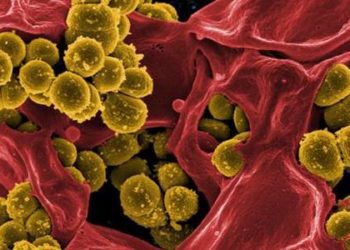
Image: PD

©2015 2 Minute Medicine, Inc. All rights reserved. No works may be reproduced without expressed written consent from 2 Minute Medicine, Inc. Inquire about licensing here. No article should be construed as medical advice and is not intended as such by the authors or by 2 Minute Medicine, Inc.

Previous Post

Specific BRCA1/BRCA2 mutations linked to breast and ovarian cancer risk

Next Post

Patients prefer notification of skin biopsy results by phone

RelatedReports

Many new pediatric asthma cases attributable to obesity
Chronic Disease

Sleeve gastrectomy may produce greater and more durable weight loss than semaglutide in patients with obesity

January 30, 2026
Obstetric scoring systems overestimate cases of severe sepsis
Infectious Disease

Fluoxetine may improve hemodynamic status and organ dysfunction in patients with severe sepsis

January 29, 2026
Parental conceptions of weight are becoming increasingly inaccurate
All Specialties

Home longevity scales generate data that outruns clinical evidence

January 29, 2026
Obstetrics

Perioperative esketamine may improve postoperative pain and mood outcomes after cesarean section

January 28, 2026
Next Post
Increased risk of subsequent melanoma after first melanoma diagnosis

Patients prefer notification of skin biopsy results by phone

Adolescents’ muscle strength associated with lower cardiometabolic risk

Recommended physical activity may provide near-maximal longevity benefit

Ibrutinib effective for previously treated Waldenström’s macroglobulinemia

2 Minute Medicine® is an award winning, physician-run, expert medical media company. Our content is curated, written and edited by practicing health professionals who have clinical and scientific expertise in their field of reporting. Our editorial management team is comprised of highly-trained MD physicians. Join numerous brands, companies, and hospitals who trust our licensed content.

Recent Reports

  • Sleeve gastrectomy may produce greater and more durable weight loss than semaglutide in patients with obesity
  • Fluoxetine may improve hemodynamic status and organ dysfunction in patients with severe sepsis
  • Home longevity scales generate data that outruns clinical evidence
License Content
Terms of Use | Disclaimer
Cookie Policy
Privacy Statement (EU)
Disclaimer

© 2025 2 Minute Medicine, Inc. - Physician-written medical news.

  • Specialties
    • All Specialties, All Recent Reports
    • Cardiology
    • Chronic Disease
    • Dermatology
    • Emergency
    • Endocrinology
    • Gastroenterology
    • Imaging and Intervention
    • Infectious Disease
    • Nephrology
    • Neurology
    • Obstetrics
    • Oncology
    • Ophthalmology
    • Pediatrics
    • Pharma
    • Preclinical
    • Psychiatry
    • Public Health
    • Pulmonology
    • Rheumatology
    • Surgery
  • Tools
    • EvidencePulse™
    • RVU Search
    • NPI Registry Lookup
  • Pharma
  • AI News
  • The Scan
  • Classics™
    • 2MM+ Online Access
    • Paperback and Ebook
  • Rewinds
  • Partners
    • License Content
    • Submit Press Release
    • Advertise with Us
  • Account
    • Subscribe
    • Sign-in
    • My account
No Result
View All Result

© 2025 2 Minute Medicine, Inc. - Physician-written medical news.