

• About
  • Masthead
  • License Content
  • Advertise
  • Submit Press Release
  • RSS/Email List
  • 2MM Podcast
  • Write for us
  • Contact Us
2 Minute Medicine
No Result
View All Result

No products in the cart.

SUBSCRIBE
  • Specialties
    • All Specialties, All Recent Reports
    • Cardiology
    • Chronic Disease
    • Dermatology
    • Emergency
    • Endocrinology
    • Gastroenterology
    • Imaging and Intervention
    • Infectious Disease
    • Nephrology
    • Neurology
    • Obstetrics
    • Oncology
    • Ophthalmology
    • Pediatrics
    • Pharma
    • Preclinical
    • Psychiatry
    • Public Health
    • Pulmonology
    • Rheumatology
    • Surgery
  • Tools
    • EvidencePulse™
    • RVU Search
    • NPI Registry Lookup
  • Pharma
  • AI News
  • The Scan+
  • Classics™+
    • 2MM+ Online Access
    • Paperback and Ebook
  • Rewinds
  • Partners
    • License Content
    • Submit Press Release
    • Advertise with Us
  • Account
    • Subscribe
    • Sign-in
    • My account
2 Minute Medicine
  • Specialties
    • All Specialties, All Recent Reports
    • Cardiology
    • Chronic Disease
    • Dermatology
    • Emergency
    • Endocrinology
    • Gastroenterology
    • Imaging and Intervention
    • Infectious Disease
    • Nephrology
    • Neurology
    • Obstetrics
    • Oncology
    • Ophthalmology
    • Pediatrics
    • Pharma
    • Preclinical
    • Psychiatry
    • Public Health
    • Pulmonology
    • Rheumatology
    • Surgery
  • Tools
    • EvidencePulse™
    • RVU Search
    • NPI Registry Lookup
  • Pharma
  • AI News
  • The Scan+
  • Classics™+
    • 2MM+ Online Access
    • Paperback and Ebook
  • Rewinds
  • Partners
    • License Content
    • Submit Press Release
    • Advertise with Us
  • Account
    • Subscribe
    • Sign-in
    • My account
SUBSCRIBE
2 Minute Medicine
Subscribe
Home All Specialties Neurology

Transcranial direct current stimulation may enhance the brain’s ability to learn complex movements

byPaary BalakumarandAlex Chan
June 23, 2024
in Neurology, Psychiatry
Reading Time: 2 mins read
0
Share on FacebookShare on Twitter

1. Transcranial direct current stimulation (tDCS) led to improvement in the learning of complex rhythmic movements via stimulation of the primary motor cortex

Evidence Rating Level: 1 (Excellent)

Motor learning is a key component of everyday functioning from simple tasks like pressing a button to more complex, coordinated tasks like playing an instrument. Motor skills can be learned during a single practice session (online) or after the session (offline). Various areas of the brain a responsible for motor learning depending on the task. The primary motor cortex (M1) is crucial for the early stages of learning new skills and occurs through reinforcement mediated synaptic strength changes. Transcranial direct current stimulation (tDCS) is a non-invasive stimulation technique that increases cortical excitability using a sub-threshold electrical current. This has been used to stimulate M1 in the past and improve motor function when doing simple laboratory-based tasks. This randomized, single-blinded study aimed to investigate the effects of tDCS in complex motor learning using a rhythmic video game (Step Mania). Participants were evaluated on how well-timed inputs were (temporal accuracy – TA), the rate of wrong key presses (key error rate – KER), and rate of multiple inputs (tap distribution ratio – TDR). After taking baseline performance tests, both groups were given 5 practice blacks. Over the course of the practice blocks, both the tDCS and SHAM (control) groups improved in all areas. However, tDCS lead to greater improvement compared to SHAM. The tDCS group showed better TA and reduced KER. These gains were especially seen in the 4th and 5th practice blocks where tDCS showed significantly greater improvement than SHAM. Using tDCS shows promise as a tool to help patients with motor learning of complex tasks. In the future, tasks regarding complex movements should be tested (e.g., walking) to determine the effects on real-world tasks.

Click to read the study in PLOSONE

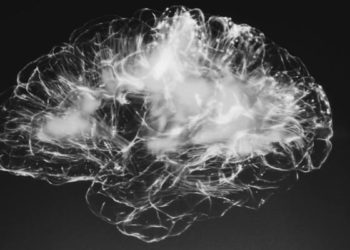
Image: PD

©2024 2 Minute Medicine, Inc. All rights reserved. No works may be reproduced without expressed written consent from 2 Minute Medicine, Inc. Inquire about licensing here. No article should be construed as medical advice and is not intended as such by the authors or by 2 Minute Medicine, Inc.

RELATED REPORTS

Early control of systolic blood pressure following intracerebral hemorrhage may improve functional recovery

α-synuclein pathology is associated with faster tau accumulation in women

Visual perturbation training may be superior to treadmill training for reduction of fall risk in Parkinson’s disease

Tags: learningneurodevelopmentneurologyTranscranial direct current stimulation (tDCS)
Previous Post

Ticagrelor and aspiring dual antiplatelet therapy is favourable over monotherapy following coronary artery bypass

Next Post

2 Minute Medicine Rewind June 24, 2024

RelatedReports

No difference in mortality for intensive versus standard reduction in blood pressure in intracerebral hemorrhage: The ATACH-2 trial
Emergency

Early control of systolic blood pressure following intracerebral hemorrhage may improve functional recovery

March 24, 2026
Chronic Disease

α-synuclein pathology is associated with faster tau accumulation in women

March 13, 2026
High-intensity treadmill exercise may slow progression of motor symptoms in early Parkinson’s disease
Chronic Disease

Visual perturbation training may be superior to treadmill training for reduction of fall risk in Parkinson’s disease

March 10, 2026
Quick Take: Functional Outcome of Intravenous Thrombolysis in Patients With Lacunar Infarcts in the WAKE-UP Trial
Emergency

Computed tomography angiography of the head and neck may inform emergency management in patients with suspected stroke

March 9, 2026
Next Post

2 Minute Medicine Rewind June 24, 2024

Intrapartum antibiotics associated with altered infant gut microbiome

Annexon Biosciences: ANX005 Antibody Shines in Phase 3 Trials For Treatment Of Guillain-Barré Syndrome

Patient Basics: Epilepsy

Artificial intelligence may improve the accuracy of physicians’ electroencephalogram interpretations

2 Minute Medicine® is an award winning, physician-run, expert medical media company. Our content is curated, written and edited by practicing health professionals who have clinical and scientific expertise in their field of reporting. Our editorial management team is comprised of highly-trained MD physicians. Join numerous brands, companies, and hospitals who trust our licensed content.

Recent Reports

  • NVIDIA GTC 2026 turns healthcare AI into a pop-culture phenomenon
  • Maternal prothrombin time may be an effective marker for neonatal sepsis risk stratification
  • Susie Wiles’ breast cancer diagnosis drives national screening surge
License Content
Terms of Use | Disclaimer
Cookie Policy
Privacy Statement (EU)
Disclaimer

© 2025 2 Minute Medicine, Inc. - Physician-written medical news.

  • Specialties
    • All Specialties, All Recent Reports
    • Cardiology
    • Chronic Disease
    • Dermatology
    • Emergency
    • Endocrinology
    • Gastroenterology
    • Imaging and Intervention
    • Infectious Disease
    • Nephrology
    • Neurology
    • Obstetrics
    • Oncology
    • Ophthalmology
    • Pediatrics
    • Pharma
    • Preclinical
    • Psychiatry
    • Public Health
    • Pulmonology
    • Rheumatology
    • Surgery
  • Tools
    • EvidencePulse™
    • RVU Search
    • NPI Registry Lookup
  • Pharma
  • AI News
  • The Scan
  • Classics™
    • 2MM+ Online Access
    • Paperback and Ebook
  • Rewinds
  • Partners
    • License Content
    • Submit Press Release
    • Advertise with Us
  • Account
    • Subscribe
    • Sign-in
    • My account
No Result
View All Result

© 2025 2 Minute Medicine, Inc. - Physician-written medical news.