• About
  • Masthead
  • License Content
  • Advertise
  • Submit Press Release
  • RSS/Email List
  • 2MM Podcast
  • Write for us
  • Contact Us
2 Minute Medicine
No Result
View All Result

No products in the cart.

SUBSCRIBE
  • Specialties
    • All Specialties, All Recent Reports
    • Cardiology
    • Chronic Disease
    • Dermatology
    • Emergency
    • Endocrinology
    • Gastroenterology
    • Imaging and Intervention
    • Infectious Disease
    • Nephrology
    • Neurology
    • Obstetrics
    • Oncology
    • Ophthalmology
    • Pediatrics
    • Pharma
    • Preclinical
    • Psychiatry
    • Public Health
    • Pulmonology
    • Rheumatology
    • Surgery
  • Tools
    • EvidencePulse™
    • RVU Search
    • NPI Registry Lookup
  • Pharma
  • AI News
  • The Scan+
  • Classics™+
    • 2MM+ Online Access
    • Paperback and Ebook
  • Rewinds
  • Partners
    • License Content
    • Submit Press Release
    • Advertise with Us
  • Account
    • Subscribe
    • Sign-in
    • My account
2 Minute Medicine
  • Specialties
    • All Specialties, All Recent Reports
    • Cardiology
    • Chronic Disease
    • Dermatology
    • Emergency
    • Endocrinology
    • Gastroenterology
    • Imaging and Intervention
    • Infectious Disease
    • Nephrology
    • Neurology
    • Obstetrics
    • Oncology
    • Ophthalmology
    • Pediatrics
    • Pharma
    • Preclinical
    • Psychiatry
    • Public Health
    • Pulmonology
    • Rheumatology
    • Surgery
  • Tools
    • EvidencePulse™
    • RVU Search
    • NPI Registry Lookup
  • Pharma
  • AI News
  • The Scan+
  • Classics™+
    • 2MM+ Online Access
    • Paperback and Ebook
  • Rewinds
  • Partners
    • License Content
    • Submit Press Release
    • Advertise with Us
  • Account
    • Subscribe
    • Sign-in
    • My account
SUBSCRIBE
2 Minute Medicine
Subscribe
Home All Specialties Obstetrics

Unexplained infertility often overtreated
byDenise PongandLeah Hawkins Bressler, MD, MPH
October 26, 2014
in Obstetrics
Reading Time: 3 mins read
0
Share on FacebookShare on Twitter

1. Over a third of couples eligible for expectant management of unexplained fertility were treated; prognosis was often not calculated and/or expectant management was frequently not recommended.

2. Couples who were expectantly managed had comparable pregnancy rates to those who were overtreated.

Evidence Rating Level: 2 (Good)  

Study Rundown: The use of assisted reproductive technology (ART) is becoming increasingly common and contributes a significant cost to healthcare expenditures. Unexplained infertility is defined as infertility despite documented adequate ovarian reserve, tubal patency as well as normal uterine anatomy, semen analysis and ovulatory cycles, but the initial treatment of choice is unclear. In the U.S., while no clear evidence-based guildelines exist to guide practice, common practice is to start with low-resource interventions, such as timed intercourse, and to only utilize higher resource interventions, such as clomid-IUI cycles (clomiphene citrate and intrauterine insemination), in a step-wise fashion. In contrast, the Netherlands has specific guidelines for tailored expectant management (TEM), including diagnosis using the Hunault prognostic model, recommending TEM for 6-12 months where appropriate, and adhering to this recommendation. Prior studies suggest that when the chance of spontaneous pregnancy is >30%, fertility treatment increases cost without improvement in the likelihood of successful pregnancy compared to expectant management (regular intercourse or timed intercourse just prior to ovulation) for 6-12 months. The present work is the first to explore both the incidence of overtreatment and the forces that motivate it. The authors found that overtreatment occurred more than one-third of the time, in many cases without evaluation of prognosis and/or recommendation for TEM, and that this did not increase the likelihood of pregnancy.

Limitations include high non-response rate and limited generalizability to countries that have other insurance models. A similar study in the U.S. is needed to identify whether overtreatment of unexplained infertility exists and, if so, what guidelines can be implemented to minimize medically unnecessary treatment.

Click to read the study in Human Reproduction

RELATED REPORTS

Letrozole (Femara) improves sperm concentration in men with spermatogenic failure

Children conceived through infertility treatments may have similar growth compared to naturally conceived children

2 Minute Medicine Rewind June 8, 2026

Relevant Reading: Two new prediction rules for spontaneous pregnancy leading to live birth among subfertile couples, based on the synthesis of three previous models

In-Depth [prospective cohort study]: This study evaluated the incidence of overtreatment of couples with unexplained infertility eligible for tailored expectant management, defined as >30% likelihood of spontaneous pregnancy within 1 year, in 544 Dutch couples. Outcomes of interest included evaluation of prognosis, recommendation for expectant management, adherence to this recommendation, and pregnancy.

Overall, 36.4% of couples were overtreated and 34.2% did not receive a calculation of fecundity prognosis; 42.3% received an incorrect treatment recommendation and 16.2% who were recommended for a period of expectant management instead opted for treatment. Among couples who were overtreated, 28% were pregnant within 6 months and 42% within 1 year compared to 31% and 41%, respectively, in couples managed expectantly.

More from this author: Twin-specific gestational diabetes screening guidelines needed, Increased nuchal translucency linked to progesterone therapy, Venous thromboembolism after vaginal delivery rising- preventative measures lacking, Unexpected delivery outcomes associated with postpartum depression, Postoperative pain similar in robotic and conventional laparoscopy for gynecologic procedures

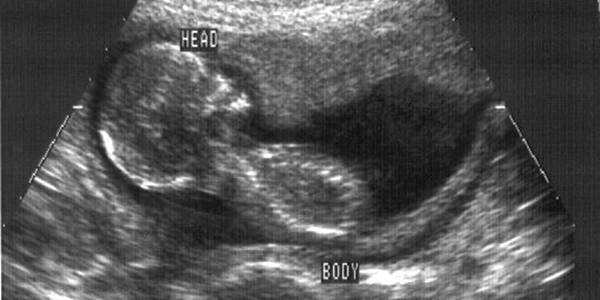
 Image: PD

©2012-2014 2minutemedicine.com. All rights reserved. No works may be reproduced without expressed written consent from 2minutemedicine.com. Disclaimer: We present factual information directly from peer reviewed medical journals. No post should be construed as medical advice and is not intended as such by the authors, editors, staff or by 2minutemedicine.com. PLEASE SEE A HEALTHCARE PROVIDER IN YOUR AREA IF YOU SEEK MEDICAL ADVICE OF ANY SORT. 

 

Tags: infertility
Previous Post

Direct-access online care model may effectively manage chronic atopic dermatitis

Next Post

Key gut bacteria may prevent Clostridium difficile infection

RelatedReports

Challenges and feasibility of fertility preservation in feminizing transgender youth
Chronic Disease

Letrozole (Femara) improves sperm concentration in men with spermatogenic failure

July 13, 2026
Risk of autism in offspring linked to maternal pregestational diabetes and severe obesity
Obstetrics

Children conceived through infertility treatments may have similar growth compared to naturally conceived children

June 11, 2026
Weekly Rewinds

2 Minute Medicine Rewind June 8, 2026

June 8, 2026
Paternal factors associated with short interpregnancy interval
Chronic Disease

Differential optimal follicle sizes for ovulatory dysfunction and unexplained infertility

March 10, 2025
Next Post
Key gut bacteria may prevent Clostridium difficile infection

Key gut bacteria may prevent Clostridium difficile infection

Daily aspirin may not improve overall prostate cancer mortality

Daily aspirin may not improve overall prostate cancer mortality

Colleges can support students with chronic medical conditions

Colleges can support students with chronic medical conditions

2 Minute Medicine® is an award winning, physician-run, expert medical media company. Our content is curated, written and edited by practicing health professionals who have clinical and scientific expertise in their field of reporting. Our editorial management team is comprised of highly-trained MD physicians. Join numerous brands, companies, and hospitals who trust our licensed content.

Recent Reports

  • Hematologic inflammatory indices may predict prognosis in younger patients with COVID-19 but not older patients
  • Younger age and systemic metastases may independently predict survival among patients with choroidal metastases
  • 2 Minute Medicine Rewind August 3rd, 2026
License Content
Terms of Use | Disclaimer
Cookie Policy
Privacy Statement (EU)
Disclaimer
  • Specialties
    • All Specialties, All Recent Reports
    • Cardiology
    • Chronic Disease
    • Dermatology
    • Emergency
    • Endocrinology
    • Gastroenterology
    • Imaging and Intervention
    • Infectious Disease
    • Nephrology
    • Neurology
    • Obstetrics
    • Oncology
    • Ophthalmology
    • Pediatrics
    • Pharma
    • Preclinical
    • Psychiatry
    • Public Health
    • Pulmonology
    • Rheumatology
    • Surgery
  • Tools
    • EvidencePulse™
    • RVU Search
    • NPI Registry Lookup
  • Pharma
  • AI News
  • The Scan
  • Classics™
    • 2MM+ Online Access
    • Paperback and Ebook
  • Rewinds
  • Partners
    • License Content
    • Submit Press Release
    • Advertise with Us
  • Account
    • Subscribe
    • Sign-in
    • My account
No Result
View All Result

© 2026 2 Minute Medicine, Inc. - Physician-written medical news.