• About
  • Masthead
  • License Content
  • Advertise
  • Submit Press Release
  • RSS/Email List
  • 2MM Podcast
  • Write for us
  • Contact Us
2 Minute Medicine
No Result
View All Result

No products in the cart.

SUBSCRIBE
  • Specialties
    • All Specialties, All Recent Reports
    • Cardiology
    • Chronic Disease
    • Dermatology
    • Emergency
    • Endocrinology
    • Gastroenterology
    • Imaging and Intervention
    • Infectious Disease
    • Nephrology
    • Neurology
    • Obstetrics
    • Oncology
    • Ophthalmology
    • Pediatrics
    • Pharma
    • Preclinical
    • Psychiatry
    • Public Health
    • Pulmonology
    • Rheumatology
    • Surgery
  • Tools
    • EvidencePulse™
    • RVU Search
    • NPI Registry Lookup
  • Pharma
  • AI News
  • The Scan+
  • Classics™+
    • 2MM+ Online Access
    • Paperback and Ebook
  • Rewinds
  • Partners
    • License Content
    • Submit Press Release
    • Advertise with Us
  • Account
    • Subscribe
    • Sign-in
    • My account
2 Minute Medicine
  • Specialties
    • All Specialties, All Recent Reports
    • Cardiology
    • Chronic Disease
    • Dermatology
    • Emergency
    • Endocrinology
    • Gastroenterology
    • Imaging and Intervention
    • Infectious Disease
    • Nephrology
    • Neurology
    • Obstetrics
    • Oncology
    • Ophthalmology
    • Pediatrics
    • Pharma
    • Preclinical
    • Psychiatry
    • Public Health
    • Pulmonology
    • Rheumatology
    • Surgery
  • Tools
    • EvidencePulse™
    • RVU Search
    • NPI Registry Lookup
  • Pharma
  • AI News
  • The Scan+
  • Classics™+
    • 2MM+ Online Access
    • Paperback and Ebook
  • Rewinds
  • Partners
    • License Content
    • Submit Press Release
    • Advertise with Us
  • Account
    • Subscribe
    • Sign-in
    • My account
SUBSCRIBE
2 Minute Medicine
Subscribe
Home All Specialties Chronic Disease

Virtual reality rehabilitation is safe and feasible for upper extremity recovery after subacute ischemic stroke
byPaary BalakumarandSimon Pan
February 25, 2026
in Chronic Disease, Neurology
Reading Time: 2 mins read
0
Share on FacebookShare on Twitter

1. Non-immersive virtual reality rehabilitation was feasible and safe but did not demonstrate superiority over equally intensive conventional physiotherapy for upper extremity recovery after subacute ischemic stroke.

2. Both rehabilitation approaches resulted in clinically meaningful improvements in motor function, activities of daily living, and quality of life.

Evidence Rating Level: 1 (Excellent) 

Upper extremity impairment persists in 30–60% of stroke survivors at six months and significantly affects independence and quality of life. Virtual reality-based rehabilitation has been proposed as an engaging, high-intensity alternative to conventional physiotherapy, but evidence regarding its superiority remains conflicting. This multicenter, open-label, parallel-group randomized controlled trial evaluated the feasibility and efficacy of a non-immersive virtual reality-based comprehensive rehabilitation gaming system in comparison with equally intensive conventional physiotherapy in subacute ischemic stroke patients. Sixty first-ever ischemic stroke patients (1–6 months post-stroke) with mild-to-moderate upper extremity impairment were randomized to 12 weeks of therapy (45 minutes, three times weekly). The primary feasibility outcome was treatment compliance. Primary efficacy outcomes were motor function assessed by the Fugl-Meyer Assessment and Wolf Motor Function Test. Secondary outcomes included the Barthel Index and SF-36. Treatment adherence was similar between groups. Both interventions produced significant within-group improvements in motor function, activities of daily living, and quality of life. However, no statistically significant between-group differences were observed for any primary or secondary outcomes. No serious intervention-related adverse events occurred. The non-immersive virtual reality system was feasible, safe, and as effective as conventional physiotherapy, but not superior. Interpretation is limited by early trial termination and inadequate sample size.

Click here to read this study in BMJ Open

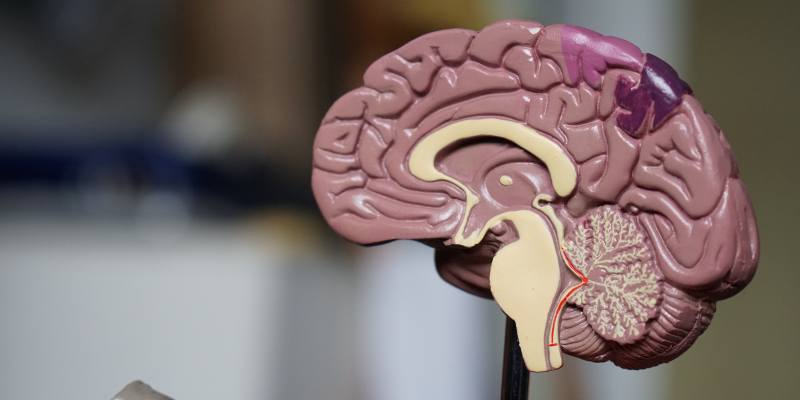
Image: PD

RELATED REPORTS

Self-reported fine motor ability is associated with higher life satisfaction in cervical spinal cord injury

2 Minute Medicine Rewind February 23, 2026

The Scan by 2 Minute Medicine®: Daily caffeine intake linked to lower dementia risk, AAP sues over federal vaccine schedule overhaul, Catherine O’Hara passes away after short illness, and GLP-1 receptor agonists reduce endometrial cancer risk

©2026 2 Minute Medicine, Inc. All rights reserved. No works may be reproduced without expressed written consent from 2 Minute Medicine, Inc. Inquire about licensing here. No article should be construed as medical advice and is not intended as such by the authors or by 2 Minute Medicine, Inc. 
Tags: ischemic strokeneurologyphysical rehabilitationphysiotherapyvirtual reality
Previous Post

Safety and efficacy of novel antibody-oligonucleotide therapy for myotonic dystrophy type 1

RelatedReports

Traumatic spinal cord injury rates remain stable in the United States
Chronic Disease

Self-reported fine motor ability is associated with higher life satisfaction in cervical spinal cord injury

February 24, 2026
Many new pediatric asthma cases attributable to obesity
Weekly Rewinds

2 Minute Medicine Rewind February 23, 2026

February 23, 2026
The Scan by 2 Minute Medicine®:  Ultra-Trail du Mont-Blanc, Taylor Swift, NBA rookie Chet Holmgren and Magic Mushrooms!
Chronic Disease

The Scan by 2 Minute Medicine®: Daily caffeine intake linked to lower dementia risk, AAP sues over federal vaccine schedule overhaul, Catherine O’Hara passes away after short illness, and GLP-1 receptor agonists reduce endometrial cancer risk

February 11, 2026
Brain lesions on MRI linked with subsequent increased stroke risk
Emergency

Status epilepticus cause may predict likelihood of neurologic recovery but not short-term mortality

February 10, 2026

2 Minute Medicine® is an award winning, physician-run, expert medical media company. Our content is curated, written and edited by practicing health professionals who have clinical and scientific expertise in their field of reporting. Our editorial management team is comprised of highly-trained MD physicians. Join numerous brands, companies, and hospitals who trust our licensed content.

Recent Reports

  • Virtual reality rehabilitation is safe and feasible for upper extremity recovery after subacute ischemic stroke
  • Safety and efficacy of novel antibody-oligonucleotide therapy for myotonic dystrophy type 1
  • Self-reported fine motor ability is associated with higher life satisfaction in cervical spinal cord injury
License Content
Terms of Use | Disclaimer
Cookie Policy
Privacy Statement (EU)
Disclaimer

© 2025 2 Minute Medicine, Inc. - Physician-written medical news.

  • Specialties
    • All Specialties, All Recent Reports
    • Cardiology
    • Chronic Disease
    • Dermatology
    • Emergency
    • Endocrinology
    • Gastroenterology
    • Imaging and Intervention
    • Infectious Disease
    • Nephrology
    • Neurology
    • Obstetrics
    • Oncology
    • Ophthalmology
    • Pediatrics
    • Pharma
    • Preclinical
    • Psychiatry
    • Public Health
    • Pulmonology
    • Rheumatology
    • Surgery
  • Tools
    • EvidencePulse™
    • RVU Search
    • NPI Registry Lookup
  • Pharma
  • AI News
  • The Scan
  • Classics™
    • 2MM+ Online Access
    • Paperback and Ebook
  • Rewinds
  • Partners
    • License Content
    • Submit Press Release
    • Advertise with Us
  • Account
    • Subscribe
    • Sign-in
    • My account
No Result
View All Result

© 2025 2 Minute Medicine, Inc. - Physician-written medical news.