2 Minute Medicine Rewind March 1 – March 8, 2015
In this section, we highlight the key high-impact studies, updates, and analyses published in medicine during the past week.
Long-Term Efficacy of a Hepatitis E Vaccine
Hepatitis E virus (HEV) is most frequently a waterborne infection in resource-limited countries that can result in acute hepatitis and death especially in pregnant women. To-date there have been two separate vaccines that have been shown in clinical trials to have short-term efficacy. This is the first trial to establish longer-term efficacy of one of these vaccines. In this randomized control trial, researchers randomized 56,302 patients to receive the hepatitis E vaccine and 56,302 patients to receive a hepatitis B vaccine control. After a 4.5-year study period, there were 7 cases of hepatitis E in the vaccine group (0.3 cases per 10,000 person-year) and 53 cases in the control group (2.1 cases per 10,000 person-years), which translated to an 86.8% (95% CI 71-94) vaccine efficacy rate. When examined serologically, it was found that of the patients who were seronegative at baseline, 87% of patients receiving three doses of the hepatitis E vaccine displayed antibodies after 4.5 years, compared with 9% of patients in the control group. This study therefore that a hepatitis E vaccine induced effective antibody protection that was sustained after 4.5 years.
Effect of Sedative Premedication on Patient Experience After General Anesthesia
Premedication of patients, especially those with anxiety, using benzodiazepines before surgery is a routine practice thought to help improve the perioperative experience and ultimately operative outcomes. However, there is little clear evidence supporting this practice. In this randomized control trial, 1062 adult patients undergoing elective surgeries under general anesthesia were randomized to receive either 2.5mg of lorazepam, no premedication, or placebo prior to surgery. Investigators found that premedication with lorazepam did not significantly improve overall patient satisfaction as measured by EVAN-G, a validated patient satisfaction questionnaire (score of 72 (95% CI 70-73) for lorazepam vs. 73 (71-74) for no premedication vs. 71 (70-73) for placebo, p=0.38). There was similarly also no statistically significant improvement in patient satisfaction when looking only at patients with heightened preoperative anxiety. There were, however, differences in time to extubation and rate of early cognitive recovery. Time to extubation was 17 minutes (95% CI 14-20 min.) for the lorazepam group, 12 minutes (11-13) for the no premedication group, and 13 minutes (12-14) for the placebo group (p < 0.001). The rate of early cognitive recovery was 51% (95% CI 45-56%), 71% (66-77%), and 64% (59-69%) for the three groups respectively (p < 0.001). This study therefore shows that among patients who underwent general anesthesia for elective surgery, premedication with lorazepam did not improve patient satisfaction but did result in prolonged times of extubation and lower rates of early cognitive recovery.
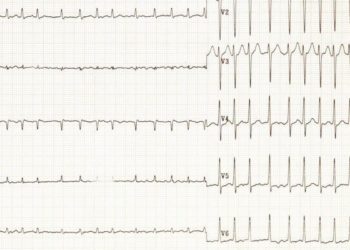
Digoxin is still widely used for rate control in patients with atrial fibrillation (AF) despite mounting evidence suggesting that it is associated with increased mortality in these patients. Still, though, there remains little robust randomized trial data supporting this perspective. Researchers did a retrospective analysis of patients from the ROCKET AF trial, which originally studied warfarin versus rivaroxaban for preventing stroke and embolic events in AF. Investigators found that out of the 14,171 patients in ROCKET AF, digoxin was used in 37% of patients and that patients were more likely to receive digoxin if they were female, had a history of heart failure, diabetes, or persistent AF. Digoxin was associated with increased all-cause mortality (5.41 vs. 4.30 events per 100 patient years, HR 1.17, 95% CI 1.04-1.32, p=0.0093), vascular death (3.55 vs. 2.69, 1.19, 1.03-1.39, p=0.0201), and sudden death (1.68 vs. 1.12, 1.36, 1.08-1.70, p=0.0076). This study therefore shows the continued widespread usage of digoxin for AF and additionally supports the association between digoxin and an increase in mortality, vascular death, and sudden death in these patients.
Association of Improved Air Quality with Lung Development in Children
Stricter air quality control policies in southern California over the last few decades have significantly decreased air pollution levels. This paper studies in more detail the effects of this pollution reduction on lung health in children. Researchers measured lung function annually in 2120 children who were part of one of three cohorts from different time periods (1994-1998, 1997-2001, 2007-2011) with a median starting age of 11 years. Investigators found that improvements across the three cohorts in 4-year growth of both FEV1 and FVC was significantly associated with declining levels of nitrogen dioxide (p<0.001 for FEV1 and FVC) and particulate matter with diameters < 2.5 μm (p=0.008 for FEV1 and p<0.001 for FVC) and < 10 μm (p<0.001 for FEV1 and FVC). Additionally, the proportion of children with clinically low FEV1 (FEV< 80% of predicted) at 15 years old, also fell significantly from 7.9% to 6.3% to 3.6% across the three time periods (p = 0.001). This study therefore shows that improvements in air quality were significantly associated with healthier lung development in children.
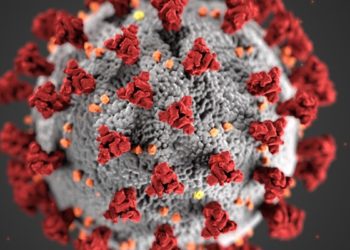
Chikungunya, a mosquito-transmitted disease that cause high fevers and enduring polyarthralgias, is now spreading broadly across the globe and into the US and Europe. However, there remains no disease specific treatment or vaccine for this disease. In this phase 1 trial, investigators studied the first candidate Chikungunya vaccine. 42 patients were randomized to receive a low dose, medium dose, or high dose of the live recombinant measles-virus-based candidate vaccine or a measles-mumps-rubella vaccine control. Scientists found that after one immunization, the vaccine raised neutralizing antibodies in all dosage groups with seroconversion rates of 44%, 92%, and 90% in the low, medium, and high dose groups respectively. After a second immunization, there was 100% seroconversion across all dose groups. There were no serious adverse events recorded. This vaccine is the first chikungunya vaccine to demonstrate good immunogenicity with an acceptable safety profile in humans and is a promising candidate for further studies.
Image: PD
©2015 2 Minute Medicine, Inc. All rights reserved. No works may be reproduced without expressed written consent from 2 Minute Medicine, Inc. Inquire about licensing here. No article should be construed as medical advice and is not intended as such by the authors or by 2 Minute Medicine, Inc.
RelatedReports