• About
  • Masthead
  • License Content
  • Advertise
  • Submit Press Release
  • RSS/Email List
  • 2MM Podcast
  • Write for us
  • Contact Us
2 Minute Medicine
No Result
View All Result

No products in the cart.

SUBSCRIBE
  • About
  • Specialties
    • All Specialties, All Recent Reports
    • Cardiology
    • Chronic Disease
    • Dermatology
    • Emergency
    • Endocrinology
    • Gastroenterology
    • Imaging and Intervention
    • Infectious Disease
    • Nephrology
    • Neurology
    • Obstetrics
    • Oncology
    • Ophthalmology
    • Pediatrics
    • Pharma
    • Preclinical
    • Psychiatry
    • Public Health
    • Pulmonology
    • Rheumatology
    • Surgery
  • Tools+
    • EvidencePulse™
    • HypeCheck™
    • NPI Registry Lookup
    • RVU Search
  • Pharma
  • AI Roundup
  • The Scan+
  • Classics™+
    • 2MM+ Online Access
    • Paperback and Ebook
  • Rewinds
  • Partners
    • License Content
    • Submit Press Release
    • Advertise with Us
  • Account
    • Subscribe
    • My account
    • Cart
    • Sign-in
2 Minute Medicine
  • About
  • Specialties
    • All Specialties, All Recent Reports
    • Cardiology
    • Chronic Disease
    • Dermatology
    • Emergency
    • Endocrinology
    • Gastroenterology
    • Imaging and Intervention
    • Infectious Disease
    • Nephrology
    • Neurology
    • Obstetrics
    • Oncology
    • Ophthalmology
    • Pediatrics
    • Pharma
    • Preclinical
    • Psychiatry
    • Public Health
    • Pulmonology
    • Rheumatology
    • Surgery
  • Tools+
    • EvidencePulse™
    • HypeCheck™
    • NPI Registry Lookup
    • RVU Search
  • Pharma
  • AI Roundup
  • The Scan+
  • Classics™+
    • 2MM+ Online Access
    • Paperback and Ebook
  • Rewinds
  • Partners
    • License Content
    • Submit Press Release
    • Advertise with Us
  • Account
    • Subscribe
    • My account
    • Cart
    • Sign-in
SUBSCRIBE
2 Minute Medicine
Subscribe
EvidencePulse™ by 2 Minute Medicine 2026 evidence scan 3 reports You asked top stroke trials 2026 Synthesizing medical evidence... Top 2026 stroke trial results: OCEANIC — ischemic stroke: 6.2% vs 8.4% OPTION* — mRS 0–1: 43.6% vs 34.2% ORIENTAL* — mRS 0–2: 58.6% vs 46.6% *Higher sICH in intervention arms Participants randomizedN OCEANIC 12,327 OPTION 570 ORIENTAL 564 Ask about guidelines or landmark trials... ↑ Try EvidencePulse™ Ask the evidence.
Get the signal.
Try it now → Physician-trained medical AI by 2 Minute Medicine
Home The Classics General Medicine Classics

The AFFIRM trial: Rate-control vs. rhythm-control in atrial fibrillation [Classics Series]

byAndrew Cheung, MD MBA
September 22, 2014
in General Medicine Classics, The Classics
Reading Time: 3 mins read
Classics Series, Landmark Trials in Medicine
Share on FacebookShare on Twitter

1. Rate-control, along with anticoagulation, should be the main approach to managing patients with atrial fibrillation.

2. Compared to rhythm-control, rate-control resulted in a lower incidence of adverse events and no significant difference in mortality.

Original Date of Publication: December 5, 2002

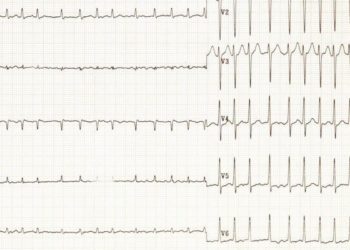
Study Rundown: Originally published in 2002, the Atrial Fibrillation Follow-up Investigation of Rhythm Management (AFFIRM) trial compared two common strategies for managing atrial fibrillation: rhythm-control and rate-control. Patients were anticoagulated in both approaches to address the increased risk of thromboembolic disease in atrial fibrillation. Prior to this study, both rhythm-control and rate-control were considered acceptable strategies, though rhythm-control was often the initial therapy. Rhythm-control involves the use of cardioversion and antiarrhythmic medications to maintain normal sinus rhythm, and this was thought to have benefits, including lowering the risk of stroke and allowing anticoagulation therapy to be discontinued. On the other hand, proponents of the rate-control method argued that rate-control medications were far less toxic than antiarrhythmics, and that there were likely no differences between the two methods in terms of patient-important outcomes.

To address this conflict, the AFFIRM trial was designed to assess the differences in long-term outcomes associated with these two treatment approaches. Patients in the rhythm-control group could be treated with specific antiarrhythmic agents or cardioversion, as decided by their treating physician. Rate-controlled patients were managed using beta-blockers, calcium channel blockers, digoxin, or a combination of these medications. In summary, there was no significant difference between the two groups in mortality (HR 1.15; 95%CI 0.99-1.34). Moreover, there was no significant difference between the two groups in the rates of the secondary endpoint of death, disabling stroke, disabling anoxic encephalopathy, major bleeding, and cardiac arrest (p=0.33). The risk of torsade de pointes, cardiac arrest, and hospitalization, however, were significantly higher in the rhythm-control group.

Click to read study in NEJM

RELATED REPORTS

Apixaban (Eliquis) is associated with reduced rates of ischemic stroke and bleeding in patients with atrial fibrillation and advanced chronic kidney disease compared with warfarin (Coumadin)

2 Minute Medicine Rewind September 7, 2026

2 Minute Medicine Rewind August 31, 2026

In-Depth [randomized, controlled study]: A total of 4,060 patients were enrolled in the trial and followed for a mean of 3.5 years. They were randomized to the rhythm-control strategy (i.e., treatment with antiarrhythmic medications) or the rate-control strategy (i.e., controlling heart rate with beta-blockers, calcium-channel blockers, digoxin). Patients were included if they were ≥65 years of age, they had atrial fibrillation that was likely to be recurrent, long-term treatment of their atrial fibrillation was warranted, and they were eligible for anticoagulation therapy. The primary endpoint was mortality. The secondary endpoint was a composite of death, disabling stroke, disabling anoxic encephalopathy, major bleeding, and cardiac arrest.

There was no significant difference in mortality between the two groups (HR 1.15; 95%CI 0.99-1.34). The rate of the secondary endpoint was also not significantly different between the two groups (p=0.33). There was significantly higher incidence of torsade de pointes, cardiac arrest (i.e., pulseless electrical activity, bradycardia, or other rhythm), and hospitalization after baseline in the rhythm-control group compared to the rate-control group. It was also demonstrated that individuals in the rhythm-control group experienced significantly higher incidence of adverse drug events, including pulmonary events, gastrointestinal events, bradycardia, and prolongation of the QT interval (p<0.001). There was no significant difference between the two groups in the incidence of stroke.

Image: PD

©2012-2014 2minutemedicine.com. All rights reserved. No works may be reproduced without expressed written consent from 2minutemedicine.com. Disclaimer: We present factual information directly from peer reviewed medical journals. No post should be construed as medical advice and is not intended as such by the authors, editors, staff or by 2minutemedicine.com. PLEASE SEE A HEALTHCARE PROVIDER IN YOUR AREA IF YOU SEEK MEDICAL ADVICE OF ANY SORT.
Tags: atrial fibrillation
Previous Post

The RE-LY trial: Dabigatran non-inferior to warfarin in preventing strokes in patients with atrial fibrillation [Classics Series]

Next Post

New clinical prediction model helps emergency physicians identify high-priority febrile children

RelatedReports

Nephrology

Apixaban (Eliquis) is associated with reduced rates of ischemic stroke and bleeding in patients with atrial fibrillation and advanced chronic kidney disease compared with warfarin (Coumadin)

September 9, 2026
Long-term outcomes for off-pump and on-pump CABG are similar
Weekly Rewinds

2 Minute Medicine Rewind September 7, 2026

September 7, 2026
Rivaroxaban likely reduces risk of recurrent stroke in specific subgroup of patients with embolic stroke of undetermined source
Weekly Rewinds

2 Minute Medicine Rewind August 31, 2026

August 31, 2026
Rivaroxaban likely reduces risk of recurrent stroke in specific subgroup of patients with embolic stroke of undetermined source
Cardiology

Catheter ablation within 1 year of atrial fibrillation diagnosis is associated with reduced risk of recurrence

July 24, 2026
Next Post
New clinical prediction model helps emergency physicians identify high-priority febrile children

New clinical prediction model helps emergency physicians identify high-priority febrile children

Frequent meals linked with lower body weight in children and adolescents

Frequent meals linked with lower body weight in children and adolescents

Children still hospitalized and treated for ITP despite conservative guidelines

Children still hospitalized and treated for ITP despite conservative guidelines

EvidencePulse™ by 2 Minute Medicine 2026 evidence scan 3 reports You asked top stroke trials 2026 Synthesizing medical evidence... Top 2026 stroke trial results: OCEANIC — ischemic stroke: 6.2% vs 8.4% OPTION* — mRS 0–1: 43.6% vs 34.2% ORIENTAL* — mRS 0–2: 58.6% vs 46.6% *Higher sICH in intervention arms Participants randomizedN OCEANIC 12,327 OPTION 570 ORIENTAL 564 Ask about guidelines or landmark trials... ↑ Try EvidencePulse™ Ask the evidence.
Get the signal.
Try it now → Physician-trained medical AI by 2 Minute Medicine

2MM+ All Access

Full details →
$4.99 /month

5-day free trial · cancel anytime

  • ✓100+ physician-written reports
  • ✓EvidencePulse™ + HypeCheck™
  • ✓Ad-free reading + newsletters
Start 5-day free trial

Then $4.99/month. Manage renewal in your account.

2 Minute Medicine® is an award winning, physician-run, expert medical media company. Our content is curated, written and edited by practicing health professionals who have clinical and scientific expertise in their field of reporting. Our editorial management team is comprised of highly-trained MD physicians. Join numerous brands, companies, and hospitals who trust our licensed content.

Recent Reports

  • Daraxonrasib extends survival in metastatic pancreatic cancer
  • Artificial intelligence (AI) scribes showed mixed effects on documentation time and improvements in physician well-being
  • A lower threshold for referral to the emergency department for outpatient hyperkalemia may reduce mortality
License Content
Terms of Use | Disclaimer
Cookie Policy
Cleantalk Pixel
2MM+ All Access Full details →

The medical literature, distilled daily.

Monthly plan selected: $4.99 /month.

$4.99/month

5-day free trial · cancel anytime

Start 5-day free trial

Then $4.99/month. Manage renewal in your account.

Yearly plan selected: $49.90 /year.

$49.90/year

2 months free · only $4.16/month

Start 5-day free trial

Then $49.90/year. Manage renewal in your account.

Membership benefits

  • ✓100+ physician-written reports
  • ✓AI EvidencePulse™ + HypeCheck™
  • ✓Ad-free reading + newsletters

Already a member? Sign in

  • About
  • Specialties
    • All Specialties, All Recent Reports
    • Cardiology
    • Chronic Disease
    • Dermatology
    • Emergency
    • Endocrinology
    • Gastroenterology
    • Imaging and Intervention
    • Infectious Disease
    • Nephrology
    • Neurology
    • Obstetrics
    • Oncology
    • Ophthalmology
    • Pediatrics
    • Pharma
    • Preclinical
    • Psychiatry
    • Public Health
    • Pulmonology
    • Rheumatology
    • Surgery
  • Tools
    • EvidencePulse™
    • HypeCheck™
    • NPI Registry Lookup
    • RVU Search
  • Pharma
  • AI Roundup
  • The Scan
  • Classics™
    • 2MM+ Online Access
    • Paperback and Ebook
  • Rewinds
  • Partners
    • License Content
    • Submit Press Release
    • Advertise with Us
  • Account
    • Subscribe
    • My account
    • Cart
    • Sign-in
No Result
View All Result

© 2026 2 Minute Medicine, Inc. - Physician-written medical news.