2 Minute Medicine Rewind January 19, 2026
Electronic Intervention for Patient-Managed Benzodiazepine Tapering
1. An electronic intervention promoting self-management of benzodiazepine cessation significantly increased the chances of benzodiazepine cessation compared to placebo.
Evidence Rating Level: 1 (Excellent)
Long-term benzodiazepine use can increase the risk of cognitive decline, falls, and motor vehicle accidents, and increase dependence on benzodiazepines and/or other illicit or nonillicit medications. The Eliminating Medications Through Patient Ownership of End Results (EMPOWER) trial demonstrated an 8-fold increase in benzodiazepine cessation among patients in the treatment group. However, many subsequent trials have not replicated these results. Furthermore, although this study used printed materials, electronically delivered interventions have become more dominant given their cost and scalability advantages. This randomized clinical trial, EMPOWER-electronically delivered (EMPOWER-ED), sought to replicate EMPOWER’s findings after converting the intervention to an electronic format. 161 patients (mean [SD] age, 61.9 [13.7] years; 16.8% female) with an active benzodiazepine prescription for at least 3 months were included. Patients in the intervention group received access to the EMPOWER-ED website, which included self-assessment of risks associated with long-term benzodiazepine use, information on possible drug-related harms, vignettes of peers who had successfully stopped using benzodiazepines, and therapeutic alternatives for managing sleep difficulties and/or anxiety. They also received a personalized tapering schedule. Patients in the control group were recommended to follow their clinician’s recommendations. After 6 months, patients in the intervention group were significantly more likely to complete benzodiazepine cessation (10 of 82 [12.2%] vs 2 of 79 [2.5]; unadjusted OR, 5.35 [95% CI, 1.13-25.24]). More patients in the intervention group reported a benzodiazepine dose reduction of 25% or greater, although this difference was not significant (14 of 82 [17.1%] vs 6 of 79 [7.6]; unadjusted OR, 2.50 [95% CI, 0.91-6.90]). There was no significant difference in Veterans RAND 12-Item Health Survey (VR-12) physical score (p = 0.92), VR-12 mental score (p = 0.73), anxiety (p = 0.37), or sleep (p = 0.90). Overall, electronic interventions are effective at empowering individuals with long-term benzodiazepine use to complete cessation. Further studies are required to establish this finding in a larger study population.
Effect of high elevation on deep vein thrombosis: a multicenter cohort study
1. Injuries suffered at high elevations are associated with a significantly higher odds of developing deep vein thrombosis (DVT) compared to those suffered at low elevations.
Evidence Rating Level: 2 (Good)
Higher altitudes may predispose trauma patients to thrombogenesis through its physiological effects on the body, such as lower partial pressure of oxygen, hemoconcentration alterations, and dehydration. It is important to delineate the relationship between elevation and incidence of DVT because of the associated risk of DVT-related mortality among trauma patients. Previous studies have shown mixed results. This retrospective multicenter cohort study included 8620 patients, 4389 (51%; median [IQR] age, 65.0 [43.0-78.0] years; 48.0% female) of whom suffered injuries at high elevations (H-ELV; > 5000 feet) and 4231 (49%; median [IQR] age, 58.0 [36.0-75.0] years; 46.0% female) of whom suffered injuries at low elevations (L-ELV; < 5000 feet). Patients in the H-ELV group were significantly older, had lower oxygen saturation and higher heart rate, suffered falls and sports injuries more often, and motor vehicle collisions less often, and had a higher rate of comorbidities, including alcohol use disorder and anticoagulant use. These patients had a significantly higher rate of DVT (1.9% vs. 0.5%, p<0.0001). After adjusting for alcohol use disorder and oxygen saturation, this relationship remained (OR 3.8 (95% CI 2.3 to 6.4)). For each 1000-foot increase in elevation, there was a corresponding 0.4% average increase in the rate of DVT. Higher elevations are associated with an increased incidence of DVT. This suggests the potential need for changes to DVT screening protocols or prophylaxis practices at high-elevation centres. Further research is needed to confirm these findings and recommendations.
Duloxetine is significantly more effective than placebo at reducing refractory chronic cough (RCC) frequency and sensitivity.
Evidence Rating Level: 1 (Excellent)
20%-46% of patients with chronic cough, defined as a cough lasting for more than 8 weeks, have RCC, a persistent cough despite thorough investigation and treatment. RCC and its physical and mental sequelae, including chest pain, emesis, sleep disruption, fatigue, and irritability have a burdensome effect on quality of life. The concept of cough hypersensitivity syndrome, where some patients have an enhanced cough reflex sensitivity, has been shown to be associated with 5-hydroxytryptamine (5-HT) and norepinephrine (NE). Theoretically, duloxetine, a serotonin–norepinephrine reuptake inhibitor (SNRI), may play a role in suppressing cough symptoms. This 11-week, randomized, double-blinded, placebo-controlled clinical trial included 98 patients with RCC, defined as a persistent cough lasting for more than two months, with no abnormalities detected in chest radiology, that remains unresponsive to conventional treatments for cough-related conditions. 49 patients (mean [SD] age, 51.41 [15.70] years; 63.27% female) received duloxetine 20 mg three times daily and 49 patients (mean [SD] age, 47.18 [13.43] years; 69.39% female) received a matching placebo. The mean number of coughs per hour in the duloxetine group (83.96 ± 28.95 to 33.12 ± 22.99) was significantly reduced from that of the placebo group (87.67 ± 31.75 to 80.36 ± 31.75) (p < 0.001). There is a significantly improved Leicester Cough Questionnaire (LCQ) score in the duloxetine group (12.75 ± 2.44 to 14.88 ± 2.45; p < 0.001), whereas no significant difference was seen in the placebo group (12.17 ± 2.64 to 12.81 ± 2.32). However, side effects such as nausea (5, 11.36%), dizziness (7, 15.91%), and somnolence (4, 9.09%) occurred more frequently in the duloxetine group (all P < 0.05). Overall, duloxetine seems to reduce cough frequency and severity, suggesting a potential role in RCC. However, its adverse events may be a barrier to this therapeutic role.
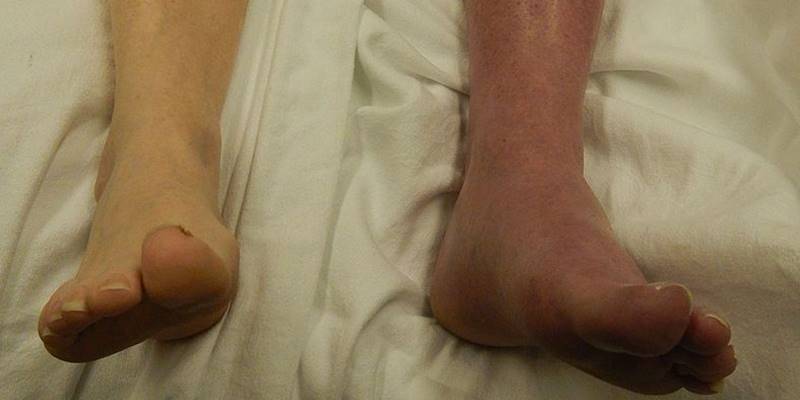
Cast immobilization is non-inferior to surgical treatment with open reduction and internal plate fixation (ORIF) in the management of isolated Weber B fractures of the lateral malleolus with a congruent mortise on initial radiographs but deemed unstable on external rotation stress testing.
Evidence Rating Level: 1 (Excellent)
Management of isolated Weber B fractures of the lateral malleolus depends on ankle mortise congruency. While these fractures are managed with cast immobilization, some patients develop occult incongruency. Formalised stress testing under fluoroscopy has been introduced to better assess stability. However, it is unclear if surgery or cast immobilization is better in patients with radiographically congruent Weber B fractures classified as unstable by external rotation testing. This randomized, parallel-group, non-inferiority trial included 124 patients. 61 (mean [SD] age, 46 [18] years; 44% female) were randomized to cast immobilization for 6 weeks and 63 (mean [SD] age, 43 [19] years; 40% female) were randomized to surgical treatment with ORIF followed by cast immobilisation for six weeks. The primary, non-inferiority outcome was the Olerud-Molander Ankle Score (OMAS; range 0-100 points; higher scores indicating better outcomes and fewer symptoms) at two years. After 2 years, the mean OMAS at two years was 89 in the cast immobilisation group and 87 in the surgery group (between-group mean difference 1.3 points, 95% CI −4.8 to 7.3). There were no significant differences in the Foot and Ankle Outcome Score or RAND-36 health survey. No participant in either group experienced a loss of congruence. Adverse events in the surgery group included superficial wound infection (n=1 participant), delayed wound healing (n=1), and hardware removal procedures (n=9). At two years, cast immobilization was non-inferior and had fewer complications compared to surgery for management of isolated Weber B ankle fractures with a congruent mortise on initial radiographs but deemed unstable on external rotation stress testing.
Berberine and Adiposity in Diabetes-Free Individuals With Obesity and MASLD
In diabetes-free individuals with metabolic dysfunction–associated steatotic liver disease (MASLD) and obesity, berberine is safe, well-tolerated, and associated with a significant reduction in low-density lipoprotein cholesterol (LDL-C) and apolipoprotein B (apoB)
Evidence Rating Level: 1 (Excellent)
Berberine, a bioactive alkaloid derived from plants, promotes glucose and fatty acid use, and inhibits de novo lipogenesis, and has been shown to improve insulin sensitivity and suppress hepatic lipid synthesis in patients with MASLD. However, these studies predominantly involved patients with impaired glucose regulation (e.g. diabetes), and it is uncertain if berberine’s effects extend to individuals with normal glucose levels. This double-blinded, randomized clinical trial included 337 diabetes-free patients with MASLD and obesity (mean [SD] age, 41.8 [10.6] years; 34.4% female). 116 patients received berberine hydrochloride 0.5 g twice daily or a matching placebo for 6 months. There was no significant difference in visceral adipose tissue (VAT) area, (mean [SD] change in placebo arm, −2.0% [14.4%]; mean change in berberine arm, −0.6% [16.7%]; placebo-adjusted estimated treatment difference 1.38% [97.5% CI, −2.43% to 5.18%]; P = .42) or liver fat content (mean [SD] change in placebo arm, −1.1% [5.1%]; mean [SD] change in berberine arm, 0.1% [6.2%]; placebo-adjusted estimated treatment difference 0.87% [97.5% CI, −0.39% to 2.13%]; P = .12). Berberine did significantly reduce LDL-C (−7.72 [95% CI, −13.13 to −1.93] mg/dL; P = .008) and apoB (−3.42 [95% CI, −6.33 to −0.51] mg/dL; P = .02). There were no differences between arms in the frequency of adverse events. Berberine is safe and well-tolerated, and significantly reduces LDL-C and apoB but not VAT or liver fat content. These findings suggest berberine may have a role in personalized therapy, but future studies are required to validate these interactions.
Image: PD
©2026 2 Minute Medicine, Inc. All rights reserved. No works may be reproduced without expressed written consent from 2 Minute Medicine, Inc. Inquire about licensing here. No article should be construed as medical advice and is not intended as such by the authors or by 2 Minute Medicine, Inc.