

2 Minute Medicine Rewind March 18, 2019
Association Between the Development of Pediatric Voice Disorders and Singing in Children’s Choir
Singing has been thought to be protective against the development of voice disorders in children; however, there have been few studies evaluating this. In this cohort study, investigators analyzed data from 752 singing and 743 non-singing children and conducted instrumental voice analysis for all patients in order to examine whether there was any association between singing and the odds of diagnosis of a voice disorder. Children in the singing group, age 8-14 years, were selected from local children’s choirs. Investigators found that 23.9% of children had a voice disorder (95% CI 21.5% to 26.2%). Of those diagnosed with a voice disorder, 67.3% were non-singing (95% CI 62.5% to 72.2%). Voice disorders were more common in the non-singing group than the singing group (32.4% vs. 15.6%, difference 16.8%, 95% CI 12.3% to 21.4%). In comparing the prevalence of functional and organic voice disorders, specifically, researchers also noted increased frequencies of both types of voice disorders in participants from the non-singing group when compared to the singing group. The results from this study suggest that singing during childhood may be protective against the diagnosis of voice disorders. It should be noted that this study used survey responses, which could have been affected by the replies and understanding of respondents. Instrumental voice analysis may have also been affected by whether children understood and correctly followed instructions.
For breast cancer patients, determining the risk of developing distant metastasis continues to present as a challenge, as the precise mechanism leading to distant metastasis is not yet fully understood. There has been a recent effort to develop imaging markers that can help predict patient prognosis, and therefore assist in providing therapy that is tailored to a patient’s individual risk. It has been proposed that the apparent diffusion coefficient (ADC) in magnetic resonance imaging (MRI) with diffusion-weighted imaging (DWI) may provide useful information. In this cohort study, investigators used MRI images from 258 women with breast cancer who were preoperatively imaged in order to study any association between preoperative ADC values and later risk of metastasis. Investigators found that 9.7% of patients developed distant metastasis to bones, lung, liver, brain, and distant lymph nodes. In terms of ADC, the minimum preoperative ADC was significantly lower in patients with distant metastasis than in patients without distant metastasis (mean of 0.654 x 10⁻³ mm2/sec versus 0.753 x 10⁻³ mm2/sec, p=0.01). The ADC difference value was also significantly higher in patients with distant metastasis (p<0.001). The mean and maximum ADCs did not significantly differ. A univariable Cox regression analysis showed that a lower minimum ADC (<0.706 x 10⁻³ mm2/sec) was associated with poorer distant metastasis-free survival outcomes (HR 3.2, 95% CI 1.4 to 7.8, p=0.008). A higher ADC difference was also associated with poorer survival outcome (HR 4.7, 95% CI 2.1 to 10.5, p<0.001). The results from this study suggest that preoperative imaging and use of minimum ADC and higher ADC differences may play a role in identifying patients at higher risk for distant metastasis. This study is limited in that it was conducted at a single academic center and could not analyze subtypes of breast cancer due to limited sample size.
Pulsed Dye Laser Treatment of Port-Wine Stains in Infancy Without the Need for General Anesthesia
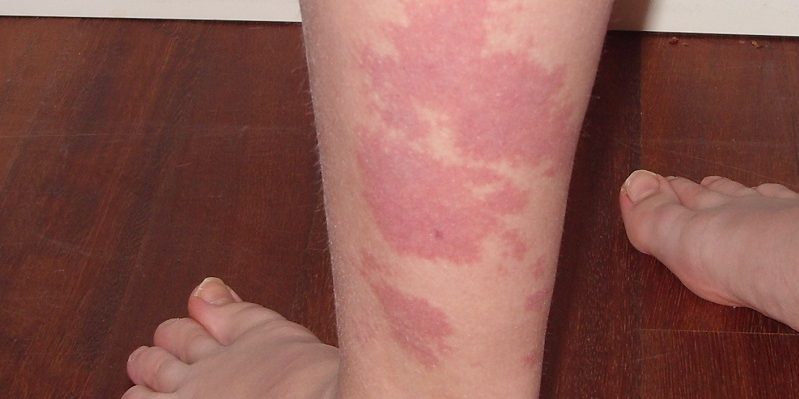
There is currently controversy surrounding the use of laser treatment for port-wine stains (PWS) in children, with specific concerns around the repetitive use of general anesthesia. Initiating treatment during infancy has been proposed as a way of avoiding the need for general anesthesia, as it is easier to hold the patient still during treatment. In this retrospective cohort study, investigators analyzed data from 197 children who started pulsed laser treatment without general anesthesia at age 1 year or younger in order to examine the safety and efficacy of pulsed laser treatment in this patient population. The primary outcome studied was improvement of PWSs, as defined by a 5-point visual analog scale (VAS). Investigators found that most patients (75.6%) had facial lesions. The mean age at the time of first laser treatment was 3.38 months, and the mean number of treatments was 9.8. Out of all patients, 25.9% showed complete clearance on VAS, 41.1% demonstrated a 76% to 99% improvement on VAS, 22.3% showed 51% to 75% improvement, 6.6% showed 26% to 50% improvement, and only 4.1% showed 0% to 25% improvement. No adverse events were reported. The results from this study suggest that treating PWS during infancy is efficacious. This study was limited in that it lacked a control group for comparison, and that assessments were performed on photographs that were not standardized.
Accuracy of Unenhanced MRI in the Detection of New Brain Lesions in Multiple Sclerosis
Gadolinium-based contrast material is typically used for follow-up imaging of patients with multiple sclerosis (MS) in order to detect new brain lesions. As magnetic resonance imaging (MRI) techniques have improved in recent years, however, the need for gadolinium-based contrast material in detecting new lesions is now in question. In this retrospective cohort study, investigators analyzed data from 359 MS patients and 507 pairs of baseline and follow up MRI examinations in order to examine the effect of contrast material use on new lesion identification. With the use of subtraction maps, non-enhanced images and contrast material-enhanced T1-weighted images were separately assessed for new or enlarged lesions, in independent readings by two readers. Readers were blinded to each other’s findings to clinical information. Investigators found that new or enlarged lesions were identified on 264 of 507 follow-up MRI images (total of 1992 lesions), and 207 of these lesions were contrast enhancing. Of the 207 contrast-enhancing lesions, 203 (98.1%) were detected as new or enlarged lesions on non-enhanced MR images. No patients who had been detected to have disease progression through contrast-enhanced images were missed when only non-enhanced images were analyzed. The results of this study suggest that using contrast material does not necessarily provide higher sensitivity or improve clinical decision-making in terms of identifying disease progression in MS. This study, however, is limited in that it used a 3.0-T MRI and three-dimensional MRI sequences, and so its results may not be generalizable to other types of MRI.
Prevalence and Treatment of Depression, Anxiety, and Conduct Problems in US Children
Mental health conditions in childhood have the potential to negatively impact healthy development, interfering with a child’s ability to achieve social, emotional, and cognitive milestones. This has important implications for social determinants of health. As such, there is a continuous need to assess the prevalence and correlates of childhood mental health disorders. In this retrospective cohort study, investigators analyzed data from the 2016 National Survey of Children’s Health on 43,283 US children in order to estimate the latest trends in mental health conditions. Investigators estimated that in 2016, 3.2% of U.S. children and adolescents (~1.9 million) were affected by depression, 7.1% (~4.4 million) had a current anxiety problem, and 7.4% (~4.5 million) had a current behavioral or conduct problem. In terms of sociodemographic and health-related factors, prevalence varied by sex only for behavioral/conduct problems, with the prevalence in boys more than double that observed in girls. The prevalence of depression and behavioral/conduct problems was estimated to be higher among children living in households <100% of the federal poverty level (FPL) than in children living in households >200% FPL. Children with a primary caregiver in either fair or poor mental/emotional health had higher rates of all mental health disorders than children living with primary caregivers who had good or excellent mental/emotional health. In terms of treatment, 78.1% of children with depression were estimated to have received treatment, whereas estimations for treatment of anxiety and behavioral/conduct problems were 59.3% and 53.5%, respectively. Taken together, the results from this study indicate that mental health disorders are common in children and that treatment gaps exist. This study also provides some information on what sociodemographic and health-related factors are associated with these common mental health conditions seen in children. This study is limited in that data on diagnoses and treatments were based on parent/caregiver reports, and the weighted response rate for the survey was 40.7%.
Image: PD
©2019 2 Minute Medicine, Inc. All rights reserved. No works may be reproduced without expressed written consent from 2 Minute Medicine, Inc. Inquire about licensing here. No article should be construed as medical advice and is not intended as such by the authors or by 2 Minute Medicine, Inc.
RelatedReports








 Get the app