

Patient Basics: Biopsy
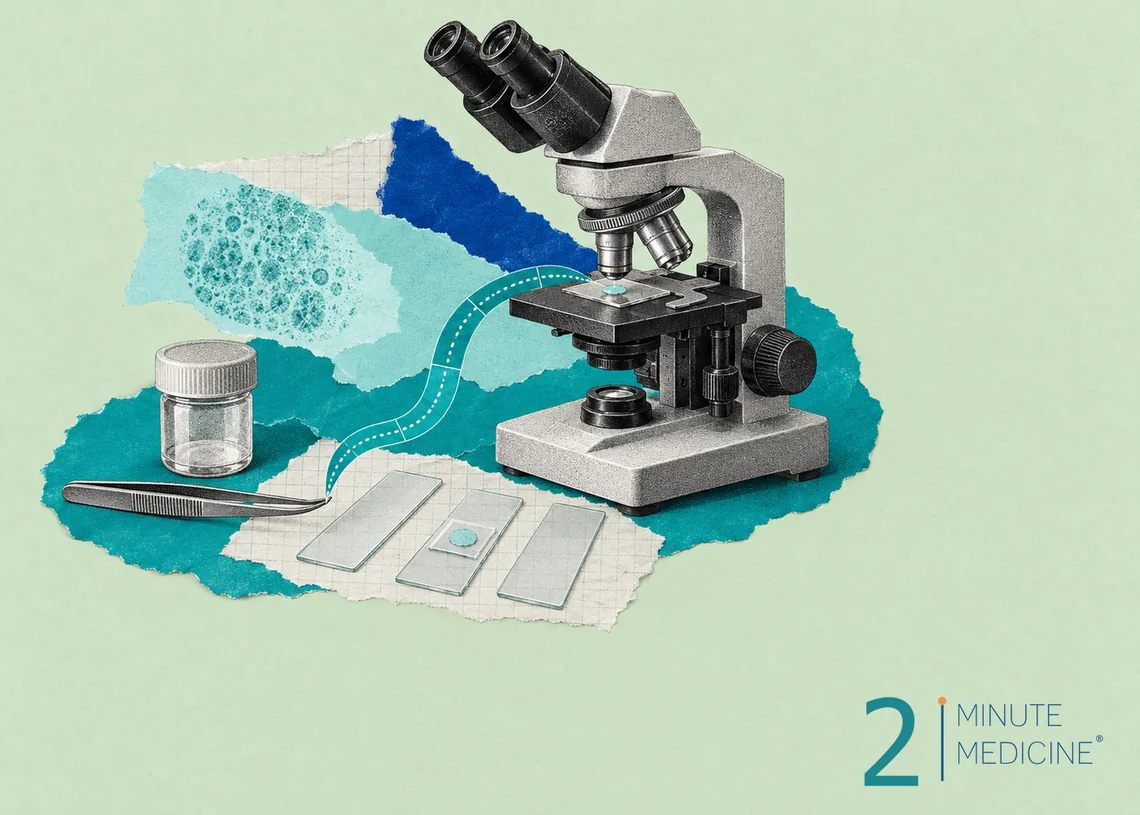
A biopsy is a test that removes a small piece of tissue or a few cells from the body so they can be studied under a microscope. It is often the only way to know for sure what a lump, spot or abnormal scan finding is. Many biopsies take only minutes with numbing medicine, and many results show no cancer.
Key points
- Biopsies are used to check for cancer, infection, inflammation and other diseases.
- The type of biopsy depends on where the tissue is and how much is needed.
- Most are done as an outpatient, with numbing medicine or light sedation.
- A doctor who specializes in reading tissue (pathologist) studies the sample.
- Results usually take a few days to a week, and special tests can take longer.
Why a biopsy is done
The word biopsy comes from Greek words for “life” and “sight.” Tissue that has been sampled is said to be biopsied. Blood tests and scans can show that something isn’t right, but often they can’t say exactly what it is. A biopsy can:
- Show whether a growth is cancer or not
- Find out the type of cancer, how fast it’s likely to grow and which treatments may work
- Identify an infection, such as tuberculosis or a fungus
- Diagnose conditions that cause inflammation or scarring, such as celiac disease or some liver and kidney diseases
- Check how well a transplanted organ is doing
- Help plan surgery or other treatment before it starts
Common types of biopsy
- Fine-needle aspiration. A very thin needle draws out a few cells or fluid. It is often used for thyroid nodules, lymph nodes and cysts.
- Core needle biopsy. A slightly larger hollow needle removes thin strips of tissue. It is common for breast, prostate, liver and kidney biopsies.
- Image-guided biopsy. Ultrasound, CT, MRI or mammogram images help the doctor guide the needle to an area that can’t be felt.
- Skin biopsy. After numbing the skin, the doctor shaves off a thin layer (shave biopsy), removes a small round plug with a tool like a tiny cookie cutter (punch biopsy), or cuts out the whole spot. A punch biopsy often needs a stitch or two.
- Endoscopic biopsy. A thin, lighted tube is passed into the body, and tiny tools take samples. Examples include colonoscopy, upper endoscopy, bronchoscopy for the lungs and cystoscopy for the bladder.
- Surgical biopsy. A surgeon removes part of a lump (incisional biopsy) or all of it (excisional biopsy) through a cut.
- Bone marrow biopsy. A needle takes marrow from the back of the hip bone to check for blood disorders and blood cancers.
You may also hear about a “liquid biopsy.” This is a blood test that looks for bits of tumor DNA. It can help guide treatment for some cancers, but it usually doesn’t replace a tissue biopsy for diagnosis.
Getting ready
- Give your doctor a list of all your medicines and supplements. You may need to pause blood thinners, aspirin or some pain relievers. Ask the doctor who prescribes your blood thinner before stopping it.
- Mention any allergies, especially to numbing medicine, latex or contrast dye.
- Tell your doctor if you are or might be pregnant.
- If you’ll have sedation, follow the instructions about not eating or drinking, and arrange a ride home.
- For a colonoscopy, you’ll need to clean out your bowel the day before.
How a biopsy is done
What happens depends on the type, but most needle and skin biopsies go like this:
- The skin is cleaned and numbed with a small shot. This may sting for a few seconds.
- If imaging is used, you’ll lie still while the doctor finds the right spot.
- The needle or blade takes the sample. You may feel pressure, and with some core needles you’ll hear a loud click.
- Several samples may be taken.
- Pressure is put on the site, and it’s covered with a bandage. Some skin biopsies need a stitch or two.
A needle biopsy often takes 15 to 60 minutes from start to finish. Endoscopic and surgical biopsies take longer and use sedation or general anesthesia.
Afterward
- Expect some soreness and a bruise for a few days.
- Take acetaminophen for pain unless your doctor suggests something else.
- Keep the bandage clean and dry for as long as you are told.
- Avoid heavy lifting or hard exercise for a day or two after a needle biopsy of an organ.
- If you had sedation, don’t drive, drink alcohol or make big decisions for the rest of the day.
Possible risks
Biopsies are generally very safe. Risks depend on the organ and include:
- Bleeding or bruising
- Infection at the site
- Pain or numbness
- A collapsed lung (pneumothorax) after a lung biopsy
- Rarely, damage to a nearby organ
Some people worry that a biopsy can spread cancer. With modern methods, this is very rare. The information from a biopsy is usually far more useful than the small risk.
Your results
To process the sample, the lab preserves it, sets it in wax, slices it thinner than a hair, stains it and puts it on glass slides. The pathologist then writes a report. During an operation, a quick frozen section can give the surgeon an answer while you’re still asleep, but the final report takes longer. Cancer samples may get extra tests, such as next-generation sequencing (NGS), which looks for gene changes that targeted drugs can act on. These can add days or weeks. Your report may say:
- Benign. No cancer was found.
- Malignant. Cancer was found. The report will name the type.
- Atypical or precancerous. The cells aren’t normal but aren’t cancer. You may need more testing or treatment.
- Nondiagnostic. The sample didn’t give a clear answer, so you may need another biopsy.
Ask for a copy of your pathology report. If the diagnosis will shape a major treatment decision, it’s reasonable to ask for a second pathologist to review the slides.
When to call your doctor
- Fever or chills
- Bleeding that doesn’t stop with firm pressure
- Redness, warmth, swelling or pus at the site
- Pain that keeps getting worse
Call 911 for sudden shortness of breath or chest pain after a lung biopsy, or for dizziness and fainting after any biopsy.
Common questions about having a biopsy
Does a biopsy hurt?
Most biopsies cause only brief discomfort, such as a sting from the numbing shot and then pressure, but not sharp pain. Biopsies taken during an endoscopy or surgery are done under sedation or anesthesia. The area is often sore or bruised for a few days, and acetaminophen usually helps.
Does needing a biopsy mean I have cancer?
No. Doctors order biopsies to rule cancer out as well as to find it, and many results come back benign, including most breast biopsies. A biopsy can also diagnose infections, inflammation and other conditions that need very different treatment from cancer.
Can I eat before a biopsy?
It depends on the type. For most skin and needle biopsies done with only numbing medicine, you can eat normally. If you’ll have sedation or anesthesia, you’ll usually need to stop eating and drinking several hours before, so follow the exact instructions from your care team.
Questions to ask your doctor
- What kind of biopsy do I need, and why?
- Will I be awake?
- Do I need to stop any medicines first?
- When and how will I get my results?
- What happens next if the result is unclear?
Learn more
- Biopsy (MedlinePlus, U.S. National Library of Medicine)
This guide is general information and doesn’t replace advice from your own doctor. Last updated October 2026.
RelatedReports







 Get the app