
• About
  • Masthead
  • License Content
  • Advertise
  • Press Releases
  • Newsroom
  • RSS/Email List
  • 2MM Podcast
  • Write for us
  • Contact Us
2 Minute Medicine
No Result
View All Result

No products in the cart.

Sign in
SUBSCRIBE
  • About
  • Specialties
    • All Specialties, All Recent Reports
    • Cardiology
    • Chronic Disease
    • Dermatology
    • Emergency
    • Endocrinology
    • Gastroenterology
    • Imaging and Intervention
    • Infectious Disease
    • Nephrology
    • Neurology
    • Obstetrics
    • Oncology
    • Ophthalmology
    • Pediatrics
    • Pharma
    • Preclinical
    • Psychiatry
    • Public Health
    • Pulmonology
    • Rheumatology
    • Surgery
    • Rewinds
    • The Scan
  • EvidencePulse™
  • HypeCheck™
  • AI News
  • Classics™
    • 2MM+ Online Access
    • Paperback and Ebook
  • Tools
    • NPI Registry Lookup
    • RVU Search
  • Partners
    • License Content
    • Advertise with Us
2 Minute Medicine
  • About
  • Specialties
    • All Specialties, All Recent Reports
    • Cardiology
    • Chronic Disease
    • Dermatology
    • Emergency
    • Endocrinology
    • Gastroenterology
    • Imaging and Intervention
    • Infectious Disease
    • Nephrology
    • Neurology
    • Obstetrics
    • Oncology
    • Ophthalmology
    • Pediatrics
    • Pharma
    • Preclinical
    • Psychiatry
    • Public Health
    • Pulmonology
    • Rheumatology
    • Surgery
    • Rewinds
    • The Scan
  • EvidencePulse™
  • HypeCheck™
  • AI News
  • Classics™
    • 2MM+ Online Access
    • Paperback and Ebook
  • Tools
    • NPI Registry Lookup
    • RVU Search
  • Partners
    • License Content
    • Advertise with Us
Sign in
SUBSCRIBE
2 Minute Medicine
Sign in
Subscribe
✦ EvidencePulse™ by 2 Minute Medicine 2026 evidence scan 3 reports You asked top stroke trials 2026 Synthesizing medical evidence... Top 2026 stroke trial results: OCEANIC — ischemic stroke: 6.2% vs 8.4% OPTION* — mRS 0–1: 43.6% vs 34.2% ORIENTAL* — mRS 0–2: 58.6% vs 46.6% *Higher sICH in intervention arms Participants randomizedN OCEANIC 12,327 OPTION 570 ORIENTAL 564 Ask about guidelines or landmark trials... ↑ Try EvidencePulse™ Ask the evidence.
Get the signal.
Try it now → Physician-trained medical AI by 2 Minute Medicine
Home All Specialties Chronic Disease

Quick Take: HbA1c level as a risk factor for retinopathy and nephropathy in children and adults with type 1 diabetes
byAliya Ramjaun
September 12, 2019
in Chronic Disease, Endocrinology, Nephrology, Ophthalmology, Pediatrics
Reading Time: 2 mins read
Diet and physical activity promotion associated with decreased risk of type 2 diabetes
Share on FacebookShare on TwitterShare on LinkedIn

Intensive glycemic control has been shown to reduce the risk of retinopathy and nephropathy in the setting of type 1 diabetes. While prior studies have established that an elevated hemoglobin A1C (HbA1C) is an independent risk factor for diabetic complications, few studies have followed patients from the time of diagnosis. In this population-based cohort study, 10,398 children and adults with type 1 diabetes identified through the Swedish National Diabetes Registry (1998-2017) were followed up from diagnosis to study the association between HbA1c level and microvascular complications in individuals with type 1 diabetes. The mean age at diagnosis was 14.7 years. Researchers found that the risk of any retinopathy (simplex or worse) for participants with a HbA1C <6.5% compared to HbA1C 6.5%-6.9% did not significantly differ (OR 0.77, 95% CI 0.56 to 1.05, p=0.10). The risk of retinopathy was, however, increased in participants with HbA1C levels of 7.0%-7.4% (OR 1.31, 95% CI 1.05 to 1.64, p=0.02) as well as those with HbA1C levels of 7.5%-8.6% (OR 2.05, 95% CI 1.68 to 2.51, p<0.001) and >8.6% (OR 3.72, 95% CI 3.02 to 4.58, p<0.001). Researchers also found that compared to patients with HbA1C 6.5%-6.9%, the risk of microalbuminuria or worse was increased in patients with HbA1C 7.0%-7.4% (OR 1.55, 95% CI 1.03 to 2.32, p=0.03) as well as those with HbA1C>8.6% (OR 2.64, 95% CI 1.81 to 3.86, p<0.001). Similarly, the risk of macroalbuminuria was also increased with HbA1C levels >8.6% (OR 3.43, 95% CI 1.14 to 10.26, p=0.03). This study therefore shows that the risk of retinopathy and nephropathy is increased in patients with increased HbA1c levels, above 6.5%-6.9%.

Click to read the study in BMJ

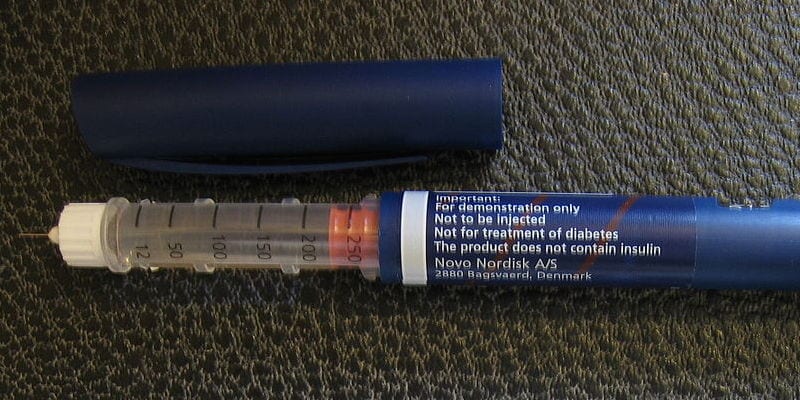
Image: PD

©2019 2 Minute Medicine, Inc. All rights reserved. No works may be reproduced without expressed written consent from 2 Minute Medicine, Inc. Inquire about licensing here. No article should be construed as medical advice and is not intended as such by the authors or by 2 Minute Medicine, Inc.
RELATED REPORTS

Weekly insulin efsitora alfa is non-inferior to daily insulin degludec for reducing HbA1c in type 1 diabetes

Machine learning model non-invasively detects suspected cases of hypoglycemia during real-world driving

Tags: hemoglobin A1CnephropathyretinopathyType 1 Diabetes Mellitus
Previous Post

#VisualAbstract: Assessment of Long-term Distant Recurrence-Free Survival Associated With Tamoxifen Therapy in Postmenopausal Patients With Luminal A or Luminal B Breast Cancer

Next Post

Quick Take: Planned early delivery or expectant management for late preterm pre-eclampsia (PHOENIX)

RelatedReports

Dual VA and Medicare coverage linked to glucose strip overuse
Chronic Disease

Weekly insulin efsitora alfa is non-inferior to daily insulin degludec for reducing HbA1c in type 1 diabetes

October 9, 2024
Pediatric DKA associated with recent acute care visits
2 Minute Medicine

Machine learning model non-invasively detects suspected cases of hypoglycemia during real-world driving

September 13, 2024
Nonpowder gun-related pediatric eye injuries on the rise
Chronic Disease

High dose aflibercept reduced treatment burden in patients with diabetic macular edema

April 23, 2024
#VisualAbstract: Automated Insulin Delivery in Women with Pregnancy Complicated by Type 1 Diabetes
StudyGraphics

#VisualAbstract: Automated Insulin Delivery in Women with Pregnancy Complicated by Type 1 Diabetes

October 13, 2023
Next Post
Prenatal antidepressant exposure may increase risk of poor motor development

Quick Take: Planned early delivery or expectant management for late preterm pre-eclampsia (PHOENIX)

#VisualAbstract: A Pivotal Response Treatment Package for Children With Autism Spectrum Disorder

#VisualAbstract: A Pivotal Response Treatment Package for Children With Autism Spectrum Disorder

#VisualAbstract: Volanesorsen and Triglyceride Levels in Familial Chylomicronemia Syndrome

#VisualAbstract: Volanesorsen and Triglyceride Levels in Familial Chylomicronemia Syndrome

✦ EvidencePulse™ by 2 Minute Medicine 2026 evidence scan 3 reports You asked top stroke trials 2026 Synthesizing medical evidence... Top 2026 stroke trial results: OCEANIC — ischemic stroke: 6.2% vs 8.4% OPTION* — mRS 0–1: 43.6% vs 34.2% ORIENTAL* — mRS 0–2: 58.6% vs 46.6% *Higher sICH in intervention arms Participants randomizedN OCEANIC 12,327 OPTION 570 ORIENTAL 564 Ask about guidelines or landmark trials... Try EvidencePulse™ Get the signal. Try it now → Physician-trained medical AI by 2 Minute Medicine

2MM+ All Access

Full details →
$4.99 /month

3-day free trial · cancel anytime

  • ✓100+ physician-written reports
  • ✓EvidencePulse™ + HypeCheck™
  • ✓Ad-free reading + newsletters
Start 3-day free trial

Then $4.99/month. Manage renewal in your account.

NPI Lookup · Free

Look up any US clinician

Search by name or NPI number, live from the CMS NPI Registry.

  • OIG exclusion check
  • Licenses and specialties
  • No account needed
Open NPI Lookup →

2 Minute Medicine® is an award winning, physician-run, expert medical media company. Our content is curated, written and edited by practicing health professionals who have clinical and scientific expertise in their field of reporting. Our editorial management team is comprised of highly-trained MD physicians. Join numerous brands, companies, and hospitals who trust our licensed content.

Recent Reports

  • Elevated low-density lipoprotein cholesterol is a risk factor for atherosclerotic disease irrespective of familial hypercholesterolemia status
  • Children with autism spectrum disorder may have reduced fecal microbial diversity
  • Variable homicide mortality rates among women aged 15-44 years depending on state abortion policy
License Content
Terms of Use | Disclaimer
Cookie Policy
2MM+ All Access Full details →

The medical literature, distilled daily.

Monthly plan selected: $4.99 /month.

$4.99/month

3-day free trial · cancel anytime

Start 3-day free trial

Then $4.99/month. Manage renewal in your account.

Yearly plan selected: $49.90 /year.

$49.90/year

2 months free

Start 3-day free trial

Then $49.90/year.

Membership benefits

  • ✓100+ physician-written reports
  • ✓AI EvidencePulse™ + HypeCheck™
  • ✓Ad-free reading + newsletters
  • ✓NPI watchlist + bulk NPI verification

Already a member? Sign in

  • About
  • Specialties
    • All Specialties, All Recent Reports
    • Cardiology
    • Chronic Disease
    • Dermatology
    • Emergency
    • Endocrinology
    • Gastroenterology
    • Imaging and Intervention
    • Infectious Disease
    • Nephrology
    • Neurology
    • Obstetrics
    • Oncology
    • Ophthalmology
    • Pediatrics
    • Pharma
    • Preclinical
    • Psychiatry
    • Public Health
    • Pulmonology
    • Rheumatology
    • Surgery
    • Rewinds
    • The Scan
  • EvidencePulse™
  • HypeCheck™
  • AI News
  • Classics™
    • 2MM+ Online Access
    • Paperback and Ebook
  • Tools
    • NPI Registry Lookup
    • RVU Search
  • Partners
    • License Content
    • Advertise with Us
No Result
View All Result

© 2026 2 Minute Medicine, Inc. - Physician-written medical news.