• About
  • Masthead
  • License Content
  • Advertise
  • Submit Press Release
  • RSS/Email List
  • 2MM Podcast
  • Write for us
  • Contact Us
2 Minute Medicine
No Result
View All Result

No products in the cart.

SUBSCRIBE
  • Specialties
    • All Specialties, All Recent Reports
    • Cardiology
    • Chronic Disease
    • Dermatology
    • Emergency
    • Endocrinology
    • Gastroenterology
    • Imaging and Intervention
    • Infectious Disease
    • Nephrology
    • Neurology
    • Obstetrics
    • Oncology
    • Ophthalmology
    • Pediatrics
    • Pharma
    • Preclinical
    • Psychiatry
    • Public Health
    • Pulmonology
    • Rheumatology
    • Surgery
  • Tools
    • EvidencePulse™
    • RVU Search
    • NPI Registry Lookup
  • Pharma
  • AI News
  • The Scan+
  • Classics™+
    • 2MM+ Online Access
    • Paperback and Ebook
  • Rewinds
  • Partners
    • License Content
    • Submit Press Release
    • Advertise with Us
  • Account
    • Subscribe
    • Sign-in
    • My account
2 Minute Medicine
  • Specialties
    • All Specialties, All Recent Reports
    • Cardiology
    • Chronic Disease
    • Dermatology
    • Emergency
    • Endocrinology
    • Gastroenterology
    • Imaging and Intervention
    • Infectious Disease
    • Nephrology
    • Neurology
    • Obstetrics
    • Oncology
    • Ophthalmology
    • Pediatrics
    • Pharma
    • Preclinical
    • Psychiatry
    • Public Health
    • Pulmonology
    • Rheumatology
    • Surgery
  • Tools
    • EvidencePulse™
    • RVU Search
    • NPI Registry Lookup
  • Pharma
  • AI News
  • The Scan+
  • Classics™+
    • 2MM+ Online Access
    • Paperback and Ebook
  • Rewinds
  • Partners
    • License Content
    • Submit Press Release
    • Advertise with Us
  • Account
    • Subscribe
    • Sign-in
    • My account
SUBSCRIBE
2 Minute Medicine
Subscribe
Home All Specialties Chronic Disease

Comorbid cancer and systemic therapy may influence immune response to SARS-CoV-2 among patients and health care workers
byYuchen DaiandMichael Pratte
June 2, 2021
in Chronic Disease, Infectious Disease, Oncology
Reading Time: 3 mins read
0
Share on FacebookShare on Twitter

1. In this cross-sectional study of Japanese patients with cancer and health care workers, the seroprevalence of SARS-CoV-2 antibodies did not differ between the two cohorts.

2. However, results suggest that comorbid cancer and treatment with systemic therapy, including chemotherapy and immune checkpoint inhibitors, may be associated with differences in serum SARS-CoV-2 antibody levels.

Evidence Rating Level: 2 (Good)

Study Rundown: Patients with cancer and health care workers (HCWs) are both demographic groups at high risk of SARS-CoV-2 infection. Assessing the antibody status of patients with cancer and HCWs can aid in understanding the spread of COVID-19 in cancer care as well as the extent of disease and overall prognosis among various patient cohorts. This cross-sectional study aimed to evaluate serum SARS-CoV-2 antibody status in patients with cancer and HCWs during the COVID-19 pandemic in Japan, focusing on data from two comprehensive cancer centers in the epidemic area surrounding Tokyo between August and October 2020. The primary outcome and measure of the study was seroprevalence and antibody levels, where seropositivity was defined as positivity to nucleocapsid IgG (N-IgG) and/or spike IgG (S-IgG). Serum levels of SARS-CoV-2 IgM and IgG antibodies against the nucleocapsid and spike proteins were measured via chemiluminescent enzyme immunoassay. Among 500 patients with cancer and 1,190 HCWs enrolled in the study, the seroprevalence was 1.0% and 0.67% respectively. However, the levels of IgG antibodies against nucleocapsid and spike protein were significantly lower in patients with cancer when compared to HCWs (N-IgG: β, −0.38 and S-IgG: β, −0.39). Furthermore, N-IgG levels were significantly lower in cancer patients who received chemotherapy compared to those who did not while both N-IgG and S-IgG levels were significantly elevated in patients who received immune checkpoint inhibitors (ICI) than in those who did not. These findings indicate that seroprevalence was not different in patients with cancer compared with HCWs, in contrast to the immune response to SARS-CoV-2, which may differ between the two cohorts. Further studies are needed to determine the influence of comorbid cancer and cancer treatments on the immune response to SARS-CoV-2. A limitation of this study was the potential sampling bias in the patient population as it included various cancer types, ages, and stages from only one hospital institution.

Click to read the study in JAMA Oncology

Click to read an accompany editorial in JAMA Oncology

RELATED REPORTS

Susie Wiles’ breast cancer diagnosis drives national screening surge

The Scan by 2 Minute Medicine®: Susie Wiles breast cancer diagnosis drives national screening surge, Jensen Huang’s GTC keynote turns healthcare AI into a pop-culture phenomenon, landmark ACSM guidelines simplify resistance training for longevity, and consumer alert issued for high-pressure cosmetic surgery chains

Replacing sedentary time with physical activity may lower risk of all-cause mortality

Relevant Reading: Analyses of risk, racial disparity, and outcomes among US patients with cancer and COVID-19 infection

In-Depth [cross-sectional study]: This prospective cross-sectional study took place between August 3 and October 30, 2020, enrolling participants from two comprehensive cancer centers in the epidemic area around Tokyo, Japan. Inclusion criteria included patients with cancer aged 16 years or older and employees from the National Cancer Center (NCC) Hospital and its East campus while participants with suspected COVID-19 infection at the time of enrollment were excluded. To further specify, cancer of any type and cancer treatments, including chemotherapy, surgery, immune checkpoint inhibitors, radiotherapy, and targeted molecular therapy were analyzed individually for SARS-CoV-2 antibody status. In total, 500 patients with cancer (median age, 62.5 years [21-88 years]; 265 men [55.4%]) and 1,190 HCWs (median age, 40 years [20-70 years]; 382 men [25.4%]) were enrolled in the study. Among patients with cancer, 489 (97.8%) had solid tumors, and 355 (71.0%) had received anticancer treatment within 1 month of diagnosis. The cohort of HCWs included 385 (32.3%) nurses or assistant nurses, 266 (22.4%) administrative staff, 197 (16.6%) research staff, 179 (15.0%) physicians, 113 (9.5%) technicians, and 50 (4.2%) pharmacists. Upon analysis, the seroprevalence was 1.0% (95%CI, 0.33%-2.32%) in cancer patients and 0.67% (95%CI, 0.29%-1.32%) in HCWs (P = .48), posing only minute statistical differences. However, the N-IgG and S-IgG serum antibody levels were significantly lower in cancer patients than in HCWs (N-IgG: β, −0.38; 95%CI, −0.55 to −0.21; P < .001; and S-IgG: β, −0.39; 95%CI, −0.54 to −0.23; P < .001). Furthermore, among patients with cancer, N-IgG levels were significantly lower in those who received chemotherapy than in those who did not (median N-IgG levels, 0.1 [IQR, 0-0.3] vs 0.1 [IQR, 0-0.4], P = .04) while both N-IgG and S-IgG levels were significantly elevated in patients receiving ICI (median N-IgG levels: 0.2 [IQR, 0.1-0.5] vs 0.1 [IQR, 0-0.3], P = .02; S-IgG levels: 0.15 [IQR, 0-0.3] vs 0.1[IQR, 0-0.2], P = .02).

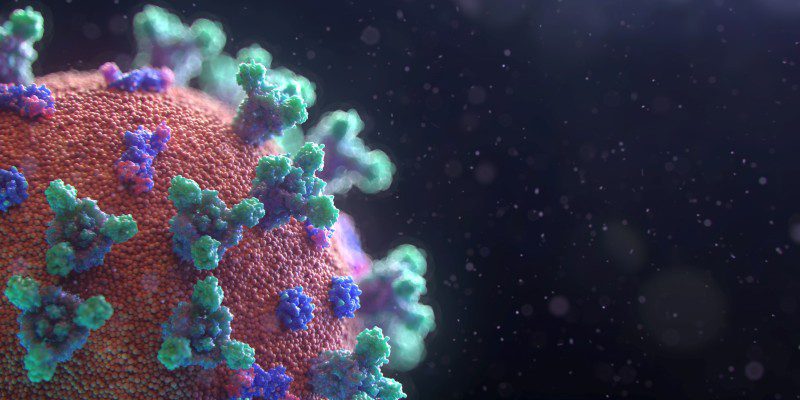
Image: PD

©2021 2 Minute Medicine, Inc. All rights reserved. No works may be reproduced without expressed written consent from 2 Minute Medicine, Inc. Inquire about licensing here. No article should be construed as medical advice and is not intended as such by the authors or by 2 Minute Medicine, Inc.
Tags: cancerCOVID-19 antibodies
Previous Post

Very preterm birth or very low birth weight associated with lower intelligence among young adults

Next Post

#VisualAbstract: Continuous infusion of hypertonic saline following traumatic brain injury does not improve neurological outcomes versus current standard of care

RelatedReports

High frequency of germline mutations observed in triple negative breast cancers
The Scan by 2 Minute Medicine®

Susie Wiles’ breast cancer diagnosis drives national screening surge

March 25, 2026
The Scan by 2 Minute Medicine®:  Ultra-Trail du Mont-Blanc, Taylor Swift, NBA rookie Chet Holmgren and Magic Mushrooms!
Artificial Intelligence

The Scan by 2 Minute Medicine®: Susie Wiles breast cancer diagnosis drives national screening surge, Jensen Huang’s GTC keynote turns healthcare AI into a pop-culture phenomenon, landmark ACSM guidelines simplify resistance training for longevity, and consumer alert issued for high-pressure cosmetic surgery chains

March 25, 2026
Reduced gestational weight gain with lifestyle intervention
Cardiology

Replacing sedentary time with physical activity may lower risk of all-cause mortality

March 2, 2026
2MM: AI Roundup- AI Cancer Test, Smarter Hospitals, Faster Drug Discovery, and Mental Health Tech [May 2nd, 2025]
AI Roundup

Artificial intelligence predicts colorectal cancer in ulcerative colitis with 99% accuracy

February 20, 2026
Next Post
#VisualAbstract: Tezepelumab reduced annual exacerbation rates in patients with severe asthma

#VisualAbstract: Continuous infusion of hypertonic saline following traumatic brain injury does not improve neurological outcomes versus current standard of care

#VisualAbstract: Prolgolimab is efficacious and tolerable in patients with advanced melanoma

#VisualAbstract: Prolgolimab is efficacious and tolerable in patients with advanced melanoma

Extensive lymphadenectomy may not increase patient survival with esophageal cancer

Chemoradiotherapy associated with effectiveness comparable to surgery when treating advanced oropharyngeal squamous cell carcinoma

2 Minute Medicine® is an award winning, physician-run, expert medical media company. Our content is curated, written and edited by practicing health professionals who have clinical and scientific expertise in their field of reporting. Our editorial management team is comprised of highly-trained MD physicians. Join numerous brands, companies, and hospitals who trust our licensed content.

Recent Reports

  • Placental abruption during pregnancy is not associated with increased risk of cardiovascular mortality in children
  • Pfizer’s Talzenna combo significantly delays prostate cancer progression
  • Bottom-vented bottles may not reduce gastrointestinal discomfort in infants
License Content
Terms of Use | Disclaimer
Cookie Policy
Privacy Statement (EU)
Disclaimer

The Classics in Medicine Paperback Released!

Over the past 30 years, the transition from print to digital media has contributed to an exponential increase in medical literature. In response, 2 Minute Medicine presents 160+ authoritative, physician-written summaries of the most cited landmark trials in medicine.

amazon-logo_blackGet-it-on-iBooks-badge

Click anywhere to close this announcement

  • Specialties
    • All Specialties, All Recent Reports
    • Cardiology
    • Chronic Disease
    • Dermatology
    • Emergency
    • Endocrinology
    • Gastroenterology
    • Imaging and Intervention
    • Infectious Disease
    • Nephrology
    • Neurology
    • Obstetrics
    • Oncology
    • Ophthalmology
    • Pediatrics
    • Pharma
    • Preclinical
    • Psychiatry
    • Public Health
    • Pulmonology
    • Rheumatology
    • Surgery
  • Tools
    • EvidencePulse™
    • RVU Search
    • NPI Registry Lookup
  • Pharma
  • AI News
  • The Scan
  • Classics™
    • 2MM+ Online Access
    • Paperback and Ebook
  • Rewinds
  • Partners
    • License Content
    • Submit Press Release
    • Advertise with Us
  • Account
    • Subscribe
    • Sign-in
    • My account
No Result
View All Result

© 2026 2 Minute Medicine, Inc. - Physician-written medical news.