• About
  • Masthead
  • License Content
  • Advertise
  • Submit Press Release
  • RSS/Email List
  • 2MM Podcast
  • Write for us
  • Contact Us
2 Minute Medicine
No Result
View All Result

No products in the cart.

SUBSCRIBE
  • About
  • Specialties
    • All Specialties, All Recent Reports
    • Cardiology
    • Chronic Disease
    • Dermatology
    • Emergency
    • Endocrinology
    • Gastroenterology
    • Imaging and Intervention
    • Infectious Disease
    • Nephrology
    • Neurology
    • Obstetrics
    • Oncology
    • Ophthalmology
    • Pediatrics
    • Pharma
    • Preclinical
    • Psychiatry
    • Public Health
    • Pulmonology
    • Rheumatology
    • Surgery
  • Tools+
    • EvidencePulse™
    • HypeCheck™
    • NPI Registry Lookup
    • RVU Search
  • Pharma
  • AI Roundup
  • The Scan+
  • Classics™+
    • 2MM+ Online Access
    • Paperback and Ebook
  • Rewinds
  • Partners
    • License Content
    • Submit Press Release
    • Advertise with Us
  • Account
    • Subscribe
    • My account
    • Cart
    • Sign-in
2 Minute Medicine
  • About
  • Specialties
    • All Specialties, All Recent Reports
    • Cardiology
    • Chronic Disease
    • Dermatology
    • Emergency
    • Endocrinology
    • Gastroenterology
    • Imaging and Intervention
    • Infectious Disease
    • Nephrology
    • Neurology
    • Obstetrics
    • Oncology
    • Ophthalmology
    • Pediatrics
    • Pharma
    • Preclinical
    • Psychiatry
    • Public Health
    • Pulmonology
    • Rheumatology
    • Surgery
  • Tools+
    • EvidencePulse™
    • HypeCheck™
    • NPI Registry Lookup
    • RVU Search
  • Pharma
  • AI Roundup
  • The Scan+
  • Classics™+
    • 2MM+ Online Access
    • Paperback and Ebook
  • Rewinds
  • Partners
    • License Content
    • Submit Press Release
    • Advertise with Us
  • Account
    • Subscribe
    • My account
    • Cart
    • Sign-in
SUBSCRIBE
2 Minute Medicine
Subscribe
EvidencePulse™ by 2 Minute Medicine 2026 evidence scan 3 reports You asked top stroke trials 2026 Synthesizing medical evidence... Top 2026 stroke trial results: OCEANIC — ischemic stroke: 6.2% vs 8.4% OPTION* — mRS 0–1: 43.6% vs 34.2% ORIENTAL* — mRS 0–2: 58.6% vs 46.6% *Higher sICH in intervention arms Participants randomizedN OCEANIC 12,327 OPTION 570 ORIENTAL 564 Ask about guidelines or landmark trials... ↑ Try EvidencePulse™ Ask the evidence.
Get the signal.
Try it now → Physician-trained medical AI by 2 Minute Medicine
Home Wellness

Wellness Check: Addictions
byNancy LuandAvneesh Bhangu
September 23, 2021
in Wellness
Reading Time: 4 mins read
Participation in sports and exercise linked to lower opioid use
Share on FacebookShare on Twitter

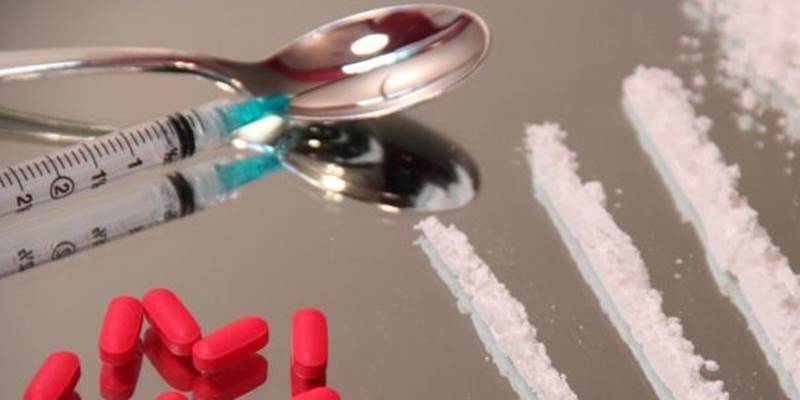
2 Minute Medicine is pleased to announce that we are launching Wellness Check, a new series dedicated to exploring new research evidence focused on wellness. Each week, we will report on articles examining different aspects of wellness, including (but not limited to) nutrition, sleep, reproductive health, substance use and mental health. This week, we explore the latest evidence-based updates in addictions.

Heterogenous pattern of cocaine usage in the United States

1. This quantitative study identified heterogenous patterns of cocaine use in the United States through considering variables such as user duration, frequency, and quantity.

2. Cocaine use disorder was more frequently correlated with participants categorized as using cocaine daily or in high quantity.

Evidence Rating Level: 2 (Good)

Cocaine use is extremely common in the United States (US), and cocaine prevalence and overdose rates have increased in recent years. Prior research shows quantity, frequency, and duration vary among cocaine users. However, it is still unclear the extent of heterogeneity amongst cocaine users and which users are more likely to adopt certain patterns of use. Understanding these patterns of use could allow for targeted interventions for at-risk individuals.

RELATED REPORTS

Deficits in executive function are not universal among patients with alcohol use disorder

Few interventions improve posthospitalization follow-up for alcohol use disorder

Methadone initiation linked to lower mortality compared to buprenorphine-naloxone after opioid overdose

This retrospective quantitative study used data from the National Epidemiologic Survey on Alcohol and Related Conditions-III (NESARC-III). The NESARC-III is a nationally representative, cross-sectional survey that collects data on drug and alcohol use and substance use disorders. Participants were included if they reported using cocaine in their lifetime (n=3543). Participants were excluded from this study if information about quantity, frequency, duration, or cocaine use disorder (CocUD) was missing. Measured outcomes included quantity, frequency, duration, and route of administration of cocaine.

After performing latent profile analysis, the researchers found 4 classes of cocaine use (low, moderate, daily, and very high quantity). There were no sex or age differences by class. However, non-Hispanic Blacks were more likely to be in the moderate and daily use classes than white users. The prevalence of CocUD was highest in the daily use and very high quantity use classes. The results of this study should be taken into consideration given the studies limitations, of note its reliance on self-reported data, which may be biased. In addition, the study design was cross-sectional, which did not track individuals over time. Despite these limitations, this study expanded our understanding of different types of cocaine use, and potentially which individuals are most at risk.


Non-abstinent recovery may be possible for those with Alcohol Use Disorder

1. This quantitative study found that non-abstinent alcohol use disorder recovery is sustainable up to 10 years after treatment.

2. Individuals with a profile of high functioning, infrequent nonheavy drinking at year 3 had the best overall outcomes at year 10.

Evidence Rating Level: 2 (Good) 

Alcohol use disorder (AUD) is common, and abstinence from alcohol is a goal of many major treatment programs. Abstinence has previously been positively associated with better psychosocial functioning and physical health. However, some individuals with AUD attempt to reduce their alcohol use rather than choosing abstinence. It is unclear whether individuals who choose this route of recovery can maintain their progress.

This retrospective quantitative study was a secondary analysis of data from Project MATCH (Matching Alcoholism Treatment to Client Heterogeneity). Project MATCH was a randomized clinical trial comparing 3 treatments for AUD: cognitive behavior therapy, motivational enhancement therapy, and twelve-step facilitation. Participants were included if they sought outpatient treatment from the New Mexico site (n=146). Participants were excluded if they did not complete both the 3-year and 10-year follow up procedures. Measured outcomes included quantity and frequency of alcohol use, depressive symptoms, overall satisfaction in life, and anger in situational contexts.

After performing latent profile analyses, the researchers found 4 profiles of drinkers, which differed in level of functioning and frequency of drinking. Interestingly, profile 4 (high functioning, infrequency nonheavy drinking) had good psychological functioning outcomes 10 years after treatment, suggesting that non-abstinent recovery is possible. The results of this study should be taken into consideration given the studies limitations, including its reliance on one particular site (New Mexico). In addition, recovery is a longitudinal process, so only looking at data from the 10-year mark may not have accurately represented the entire recovery process of participants. Nonetheless, this study furthered our understanding of what successful non-abstinent recovery could look like.


United States providers increased prescribing of buprenorphine/naloxone

1. This quantitative study found that the number of providers prescribing buprenorphine/naloxone within Medicare Part D increased between 2013 and 2017.

2. Female providers and those in clinical neuroscience specialties were more likely to discontinue prescriptions during that time frame.

Evidence Rating Level: 2 (Good) 

The current opioid crisis in the United States (US) is a major problem with high morbidity and mortality. Buprenorphine/naloxone therapy is an effective treatment for opioid use disorder (OUD) that can be prescribed from an office setting. The intent of allowing prescriptions from an office setting was to expand access of the drug to a greater number of individuals. However, prior research suggests that most providers do not prescribe up to their permitted capacity, perhaps due to the complexity of ordering the treatment. It is unclear how much and how continuously buprenorphine/naloxone providers order these medications.

This retrospective quantitative study was an analysis of provider and claims data from the 2013-201 Medicare Part D data collected by the Centers for Medicare and Medicaid Services. Providers were included if they had more than 10 yearly prescription claims for at least 1 specific medication (n=14,133). Participants were excluded if they were located outside the 50 states and District of Columbia. The measured outcome was the number of buprenorphine/naloxone prescriptions for each year.

From the analyses, the research demonstrated that the majority of providers who prescribed buprenorphine/naloxone for OUD treatment continued to do so the next year. However, most providers did not prescribe this treatment to their maximum capacity. Additionally, female providers and those in psychiatry were more likely to discontinue prescriptions. The results of this study should be taken into consideration given the studies limitations, including its reliance on Medicare data; some patients may have had other forms of insurance. Additionally, it was unclear why providers discontinued prescriptions. Despite these limitations, this study furthered our understanding of the providers at the forefront of the opioid crisis.

Image: PD 

©2021 2 Minute Medicine, Inc. All rights reserved. No works may be reproduced without expressed written consent from 2 Minute Medicine, Inc. Inquire about licensing here. No article should be construed as medical advice and is not intended as such by the authors or by 2 Minute Medicine, Inc.




Tags: Alcoholbuprenorphinecocainedrugmedicationnaloxoneprescriberecovery
Previous Post

Severe aortic stenosis is associated with adverse myocardial characteristics like poor myocardial flow reserve

Next Post

#VisualAbstract: Perioperative oxiplatin with S-1 significantly improves survival in patients with advanced gastric cancer or gastroesophageal adenocarcinoma undergoing D2 gastrectomy

RelatedReports

Chronic Disease

Deficits in executive function are not universal among patients with alcohol use disorder

September 15, 2026
Chronic Disease

Few interventions improve posthospitalization follow-up for alcohol use disorder

September 14, 2026
Chronic Disease

Methadone initiation linked to lower mortality compared to buprenorphine-naloxone after opioid overdose

September 7, 2026
Brain lesions on MRI linked with subsequent increased stroke risk
Emergency

Status epilepticus cause may predict likelihood of neurologic recovery but not short-term mortality

February 10, 2026
Next Post
#VisualAbstract: Melanoma survival outcomes have improved between 2003 and 2019 amidst increasing incidence rates

#VisualAbstract: Perioperative oxiplatin with S-1 significantly improves survival in patients with advanced gastric cancer or gastroesophageal adenocarcinoma undergoing D2 gastrectomy

#VisualAbstract Indatuximab ravtansine in combination with immunomodulatory drugs shows objective and clinical response in patients with relapsed or refractory multiple myeloma

#VisualAbstract Indatuximab ravtansine in combination with immunomodulatory drugs shows objective and clinical response in patients with relapsed or refractory multiple myeloma

Medical vaccine exemptions increase after elimination of nonmedical exemptions

Patients with a previous allergy history and women are at increased risk of rare anaphylactic reaction to mRNA COVID-19 vaccines

EvidencePulse™ by 2 Minute Medicine 2026 evidence scan 3 reports You asked top stroke trials 2026 Synthesizing medical evidence... Top 2026 stroke trial results: OCEANIC — ischemic stroke: 6.2% vs 8.4% OPTION* — mRS 0–1: 43.6% vs 34.2% ORIENTAL* — mRS 0–2: 58.6% vs 46.6% *Higher sICH in intervention arms Participants randomizedN OCEANIC 12,327 OPTION 570 ORIENTAL 564 Ask about guidelines or landmark trials... ↑ Try EvidencePulse™ Ask the evidence.
Get the signal.
Try it now → Physician-trained medical AI by 2 Minute Medicine

2MM+ All Access

Full details →
$4.99 /month

5-day free trial · cancel anytime

  • ✓100+ physician-written reports
  • ✓EvidencePulse™ + HypeCheck™
  • ✓Ad-free reading + newsletters
Start 5-day free trial

Then $4.99/month. Manage renewal in your account.

2 Minute Medicine® is an award winning, physician-run, expert medical media company. Our content is curated, written and edited by practicing health professionals who have clinical and scientific expertise in their field of reporting. Our editorial management team is comprised of highly-trained MD physicians. Join numerous brands, companies, and hospitals who trust our licensed content.

Recent Reports

  • Artificial intelligence (AI) scribes showed mixed effects on documentation time and improvements in physician well-being
  • A lower threshold for referral to the emergency department for outpatient hyperkalemia may reduce mortality
  • Ecopipam reduces relapse risk in pediatric Tourette syndrome
License Content
Terms of Use | Disclaimer
Cookie Policy
Cleantalk Pixel
2MM+ All Access Full details →

The medical literature, distilled daily.

Monthly plan selected: $4.99 /month.

$4.99/month

5-day free trial · cancel anytime

Start 5-day free trial

Then $4.99/month. Manage renewal in your account.

Yearly plan selected: $49.90 /year.

$49.90/year

2 months free · only $4.16/month

Start 5-day free trial

Then $49.90/year. Manage renewal in your account.

Membership benefits

  • ✓100+ physician-written reports
  • ✓AI EvidencePulse™ + HypeCheck™
  • ✓Ad-free reading + newsletters

Already a member? Sign in

  • About
  • Specialties
    • All Specialties, All Recent Reports
    • Cardiology
    • Chronic Disease
    • Dermatology
    • Emergency
    • Endocrinology
    • Gastroenterology
    • Imaging and Intervention
    • Infectious Disease
    • Nephrology
    • Neurology
    • Obstetrics
    • Oncology
    • Ophthalmology
    • Pediatrics
    • Pharma
    • Preclinical
    • Psychiatry
    • Public Health
    • Pulmonology
    • Rheumatology
    • Surgery
  • Tools
    • EvidencePulse™
    • HypeCheck™
    • NPI Registry Lookup
    • RVU Search
  • Pharma
  • AI Roundup
  • The Scan
  • Classics™
    • 2MM+ Online Access
    • Paperback and Ebook
  • Rewinds
  • Partners
    • License Content
    • Submit Press Release
    • Advertise with Us
  • Account
    • Subscribe
    • My account
    • Cart
    • Sign-in
No Result
View All Result

© 2026 2 Minute Medicine, Inc. - Physician-written medical news.