The Scan by 2 Minute Medicine®: Tremendous Blood Tests, Protecting Against HIV, Skin Cancer Scare and Health at the Olympics:
07-09-2024

The Scan by 2 Minute Medicine® is a pop-culture medical newsletter and exclusive benefit for 2 Minute Medicine Plus subscribers.
We begin with a discussion about recent blood tests showing promising responses. Then we take a look at a recent study that investigated a new preventative treatment for HIV. After that, we discuss skin cancer and a recent diagnosis. Finally, we discuss some of the recent aspects affecting the health of athletes at the Olympic Games.
Tremendous Blood Tests:
The Story: A recent study shows promise regarding a blood test that may detect early cases of Alzheimer’s disease.
What is Alzheimer’s Disease?
Alzheimer’s disease is the most common form of dementia, marked by a progressive loss of brain function. Nearly 7 million Americans are estimated to be living with Alzheimer’s disease, most of them over the age of 65, and unfortunately, the disease has no known cure. Symptoms of early Alzheimer’s disease become more worrisome as the disease progresses. Early symptoms include memory loss, losing track of dates and locations, mood changes, and poor judgment, while later-stage symptoms include hallucinations, problems recognizing close family or friends, losing the ability to communicate, and difficulty with maintaining bowel and bladder control.
How does this test help?
The latest blood test showed a 91% accuracy rate, compared to existing methods, by testing for p-tau217, a protein commonly found in patients with Alzheimer’s disease. The exact cause of Alzheimer’s disease is not fully understood, but it is known that damaged tau and amyloid proteins are involved in the disruption of normal communication. By testing for p-tau217, the blood test is able to identify very early cases of Alzheimer’s since the presence of p-tau217 may occur before the development of severe symptoms. Since some investigational treatments for Alzheimer’s disease aim to target this dysfunctional tau protein, early detection is a very promising tool.
What about other blood tests?
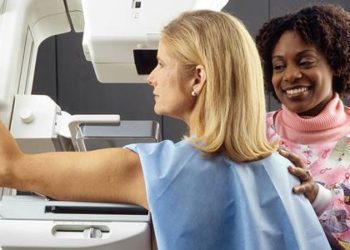
The very same week, the FDA approved a blood test to screen for colon cancer. The element of screening is considered critical for colon cancer, as cancers can be removed and pre-cancerous growths called polyps can be removed before they progress to cancerous levels. Current screening methods include colonoscopies, and fecal tests, which are often skipped by patients due to their invasive nature.
Since this blood test is a screening method that works by identifying elements of cancer cell DNA, it is not perfect. As a result, patients would need to take the test and if a positive result is received, they would need to get a colonoscopy for further assessment of the tumor. Although not a cure, these blood tests are a very positive sign for early detection of diseases.
Protecting HIV:
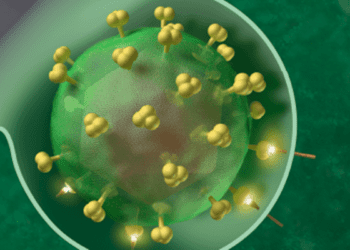
With nearly 40 million people living with human immunodeficiency virus (HIV), developing methods to prevent the spread of HIV, particularly in developing countries, is critical. That is where Sunlenca fits in. This medication is traditionally used as a treatment for HIV infections, but groundbreaking results from a new study show that it may even be better than treatment.
In a study conducted on nearly 5,000 young women and girls living in South Africa and Uganda, the twice-yearly shot prevented new HIV infections in 100% of those taking the shots. HIV can spread as a sexually transmitted infection, as well as through injectable drugs. Using barrier methods during sex, and ensuring abstinence from injectable drugs are two common methods to reduce the risk of contracting HIV. The results of the new study indicate that Sunlenca may have the potential to be used as pre-exposure prophylaxis (PrEP), a type of preventative medication for high-risk individuals.
The HIV virus reduces the function of the immune system, and once the disease reaches advanced stages, it can leave the patient susceptible to infections. Freddie Mercury’s early death was thought to be due to complications of the disease, but treatment has evolved significantly. Earvin “Magic” Johnson, one of the greatest basketball players in history, was diagnosed with HIV during his career, but using a combination of medications, he has been able to continue living his life. With advances in treatments, and Sunlenca providing a potential advancement in the prevention of HIV, the end to the HIV epidemic may be in sight.
Skin Cancer Scares:
The Wolverine, also known as Hugh Jackman, is starring in the latest summer movie, Deadpool and Wolverine. A lesser-known fact about him is that he has had several instances of basal cell carcinoma, a type of skin cancer. His treatment plan involved surgery to remove the cancerous segments, with an extremely high success rate, allowing him to continue starring in movies. Since then, he has been a vocal advocate of ensuring proper safety when out in the sun, given that unsafe sun exposure is a risk factor for skin cancer. One of the pillars of skin cancer detection is screening. Currently, skin cancer screening consists of a healthcare provider examining the skin for suspicious skin changes, but much like blood tests, these are not definitive. Suspicious lesions can be identified using the ABCDE rule, which stands for asymmetry, irregular borders, varying colors from one area to the next, diameter more than 6mm, and rapid evolution or growth.
Like other forms of cancer, skin cancers are caused by abnormal growth of skin cells, classified into 3 categories based on the type of cell affected by the abnormal growth. If a provider finds something suspicious on examination, the next step is to determine whether it is cancerous or not, through a biopsy and microscopic examination. Once the cancer is confirmed, there are many treatment options including radiation, immunotherapy, chemotherapy, and surgery.
New Orleans Saints quarterback Jake Haener has been diagnosed with skin cancer, requiring surgical removal. Haener recognized that something was amiss when he saw a bump on his face that continued to grow, which was then confirmed via biopsy, to be cancerous. Despite his good health, Haener’s case has shown the importance of vigilance and regular checks for cancer. The Wolverine periodically goes for checkups to ensure that his cancer doesn’t return, but in the case of both Jackman and Haener, early detection of cancer and quick removal have been instrumental in their recovery.
Health at the Olympics:
The Olympic Games are underway in Paris, and amidst the joy of winning medals, other factors are at play. Although these are some of the healthiest individuals on the planet, recent events such as bacteria-laden water, and inadequate food, have led to concerns about the health and performance of athletes.
The Olympic triathlon was rescheduled, due to the low water quality in the Seine river, where the swimming portion was taking place. Officials tested the water for the presence of E.coli, a bacteria known to cause infections marked by gastrointestinal distress, and this test showed high levels of bacteria and pollutants. Luckily the levels of bacteria dropped after some time, and the Triathlon was allowed to take place in the historic river.
The accommodations at the Village have also been under question, with reports of food shortages. The food was sourced with sustainability in mind, with many local, vegetarian foods. This however, resulted in the rationing of eggs, and a lack of meat for the athletes, who were requesting more food, likely due to the importance of protein and adequate nutrition for athletes during such a critical time. Some athletes have even opted to leave the Olympic Village, in part due to accommodation concerns such as a lack of air conditioning, and sustainable, recycled cardboard beds. For athletes looking to compete to the best of their abilities, sleep plays an integral part in recovery and mental state, and athletes may feel that staying elsewhere allows them to recover best.
Despite the questionable conditions, the unshakeable will of these athletes is on display as they deliver the best performances of a lifetime, with record after record being broken.
©2024 2 Minute Medicine, Inc. All rights reserved. No works may be reproduced without expressed written consent from 2 Minute Medicine, Inc. Inquire about licensing here. No article should be construed as medical advice and is not intended as such by the authors or by 2 Minute Medicine, Inc