• About
  • Masthead
  • License Content
  • Advertise
  • Submit Press Release
  • RSS/Email List
  • 2MM Podcast
  • Write for us
  • Contact Us
2 Minute Medicine
No Result
View All Result

No products in the cart.

SUBSCRIBE
  • Specialties
    • All Specialties, All Recent Reports
    • Cardiology
    • Chronic Disease
    • Dermatology
    • Emergency
    • Endocrinology
    • Gastroenterology
    • Imaging and Intervention
    • Infectious Disease
    • Nephrology
    • Neurology
    • Obstetrics
    • Oncology
    • Ophthalmology
    • Pediatrics
    • Pharma
    • Preclinical
    • Psychiatry
    • Public Health
    • Pulmonology
    • Rheumatology
    • Surgery
  • Tools
    • EvidencePulse™
    • RVU Search
    • NPI Registry Lookup
  • Pharma
  • AI News
  • The Scan+
  • Classics™+
    • 2MM+ Online Access
    • Paperback and Ebook
  • Rewinds
  • Partners
    • License Content
    • Submit Press Release
    • Advertise with Us
  • Account
    • Subscribe
    • Sign-in
    • My account
2 Minute Medicine
  • Specialties
    • All Specialties, All Recent Reports
    • Cardiology
    • Chronic Disease
    • Dermatology
    • Emergency
    • Endocrinology
    • Gastroenterology
    • Imaging and Intervention
    • Infectious Disease
    • Nephrology
    • Neurology
    • Obstetrics
    • Oncology
    • Ophthalmology
    • Pediatrics
    • Pharma
    • Preclinical
    • Psychiatry
    • Public Health
    • Pulmonology
    • Rheumatology
    • Surgery
  • Tools
    • EvidencePulse™
    • RVU Search
    • NPI Registry Lookup
  • Pharma
  • AI News
  • The Scan+
  • Classics™+
    • 2MM+ Online Access
    • Paperback and Ebook
  • Rewinds
  • Partners
    • License Content
    • Submit Press Release
    • Advertise with Us
  • Account
    • Subscribe
    • Sign-in
    • My account
SUBSCRIBE
2 Minute Medicine
Subscribe
Home All Specialties Emergency

Point-of-care ultrasound may be effective at identifying nephrolithiasis in the emergency department
byAlex XiangandSimon Pan
May 11, 2026
in Emergency, Imaging and Intervention, Nephrology
Reading Time: 2 mins read
0
Share on FacebookShare on Twitter

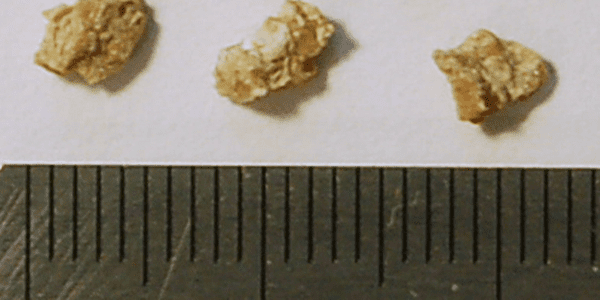
1. Renal point-of-care ultrasound (rPOCUS) findings of hydronephrosis in adult patients presenting to the emergency department (ED) with suspected renal colic were significantly associated with the presence of nephrolithiasis.

Evidence Rating Level: 2 (Good)

Computed tomography (CT) is the best imaging modality for identifying nephrolithiasis. However, it exposes patients to radiation, leads to increased ED resource utilization and longer length of stay, and reveals incidental findings that often lead to downstream testing without benefit. rPOCUS allows providers to provide rapid, bedside assessment of hydronephrosis, a clinically meaningful marker of urethral obstruction. Previous studies have shown that ultrasound-first imaging strategies result in similar clinical outcomes to CT-first strategies. This single-centre, retrospective cohort study included patients 18 years and older who underwent rPOCUS for evaluation of suspected renal colic. Among 188 patients, 89 (47.3%; mean [SD] age, 47.4 [17.1] years; 51% female) demonstrated hydronephrosis, and 99 (52.7%; mean [SD] age, 44.8 [15.9] years; 59% female) did not. The presence of hydronephrosis was significantly associated with a higher rate of nephrolithiasis history (65% vs. 51%; p = 0.03), prior urologic procedures (27% vs. 14%; p = 0.029), abnormal renal function (28% vs. 13%; p = 0.025), symptom duration of less than 24 hours (56% vs. 33%; p = 0.0013), presenting with a chief complaint of kidney stone (24% vs. 9%; p = 0.0067). It also predicted receiving a final ED diagnosis of renal colic (78% vs. 27%; p < 0.001). CT scans were more often obtained in patients with hydronephrosis (72% vs 44%; adjusted OR 2.63, 95% CI 1.29–5.46). Mean length of stay did not differ by hydronephrosis status (269 vs 273 minutes; p = 0.81), but LOS was longer when CT was performed (p < 0.01). These findings suggest rPOCUS is effective at correctly identifying patients with nephrolithiasis, although operational benefits were limited as these patients often continued to receive CT imaging.

Click here to read this study in The American Journal of Emergency Medicine

Image: PD

©2026 2 Minute Medicine, Inc. All rights reserved. No works may be reproduced without expressed written consent from 2 Minute Medicine, Inc. Inquire about licensing here. No article should be construed as medical advice and is not intended as such by the authors or by 2 Minute Medicine, Inc.


RELATED REPORTS

An intradialytic exercise intervention did not improve dialysis adequacy

2 Minute Medicine Rewind May 11, 2026

Sparsentan (Filspari) becomes first approved treatment for focal segmental glomerulosclerosis

Tags: emergency departmenthydronephrosisnephrolithiasisnephrologypoint-of-care ultrasound (POCUS)renal colicrenal ultrasound
Previous Post

Activated factor VIII-mimetic prophylaxis associated with reduced bleeding in hemophilia A

Next Post

PrescriberPoint AI agent automates prior authorization with 94.5% acceptance

RelatedReports

Fish oil and aspirin did not reduce arteriovenous fistula failure: The FAVOURED trail
Chronic Disease

An intradialytic exercise intervention did not improve dialysis adequacy

May 18, 2026
Live attenuated vaccine less effective in recent influenza season
Weekly Rewinds

2 Minute Medicine Rewind May 11, 2026

May 11, 2026
Tenofovir disoprovil fumarate HIV prophylaxis linked with minimal kidney impact
Nephrology

Sparsentan (Filspari) becomes first approved treatment for focal segmental glomerulosclerosis

May 6, 2026
Contrast-enhanced computed tomography associated with high sensitivity to renal stone detection
Emergency

Renal point-of-care ultrasound may be effective at identifying patients with nephrolithiasis

April 13, 2026
Next Post
Record-based algorithm may improve lung cancer screening follow-up

PrescriberPoint AI agent automates prior authorization with 94.5% acceptance

Combination salmeterol-fluticasone therapy noninferior to fluticasone monotherapy for asthma events: The VESTRI trial

Artificial intelligence decision support software improved spirometry diagnosis performance in primary care

Development of a risk index for colorectal cancer screening

Sequential compared to upfront treatment of metastatic colorectal cancer using oxaliplatin (Eloxatin) therapy may lead to similar outcomes

2 Minute Medicine® is an award winning, physician-run, expert medical media company. Our content is curated, written and edited by practicing health professionals who have clinical and scientific expertise in their field of reporting. Our editorial management team is comprised of highly-trained MD physicians. Join numerous brands, companies, and hospitals who trust our licensed content.

Recent Reports

  • TikTok’s cortisol face trend meets endocrine reality
  • Semaglutide (Ozempic) raises questions about mood and nonresponse
  • Cruise ship hantavirus outbreak turns into a global contact tracing test
License Content
Terms of Use | Disclaimer
Cookie Policy
Privacy Statement (EU)
Disclaimer
  • Specialties
    • All Specialties, All Recent Reports
    • Cardiology
    • Chronic Disease
    • Dermatology
    • Emergency
    • Endocrinology
    • Gastroenterology
    • Imaging and Intervention
    • Infectious Disease
    • Nephrology
    • Neurology
    • Obstetrics
    • Oncology
    • Ophthalmology
    • Pediatrics
    • Pharma
    • Preclinical
    • Psychiatry
    • Public Health
    • Pulmonology
    • Rheumatology
    • Surgery
  • Tools
    • EvidencePulse™
    • RVU Search
    • NPI Registry Lookup
  • Pharma
  • AI News
  • The Scan
  • Classics™
    • 2MM+ Online Access
    • Paperback and Ebook
  • Rewinds
  • Partners
    • License Content
    • Submit Press Release
    • Advertise with Us
  • Account
    • Subscribe
    • Sign-in
    • My account
No Result
View All Result

© 2026 2 Minute Medicine, Inc. - Physician-written medical news.