Brepocitinib becomes first oral therapy approved for adult dermatomyositis

1. Brepocitinib is the first oral therapy specifically approved for adults with dermatomyositis, providing a disease-specific alternative to treatment strategies that have historically relied heavily on corticosteroids and other immunosuppressive agents.
2. Phase 3 evidence demonstrated improvement across composite disease activity measures and supported corticosteroid reduction, although the boxed safety warnings associated with Janus kinase inhibition make patient selection and longitudinal monitoring essential.
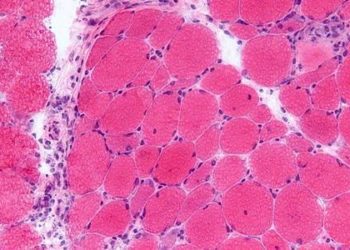
Dermatomyositis is a systemic autoimmune disease in which inflammatory muscle weakness and characteristic cutaneous disease can produce substantial disability, yet treatment has historically depended heavily on corticosteroids and immunosuppressive therapies not specifically developed for the condition. On August 27, 2026, the U.S. Food and Drug Administration (FDA) approved Lisraya (brepocitinib), making it the first oral treatment specifically indicated for adults with dermatomyositis. Brepocitinib is a once-daily inhibitor of Janus kinase (JAK) and tyrosine kinase 2 (TYK2), targeting signaling pathways involved in inflammatory responses affecting both muscle and skin. Efficacy was evaluated in a phase 3 randomized, double-blind, placebo-controlled study involving 241 adults treated for 52 weeks. Patients receiving 30 mg of brepocitinib achieved a greater mean Total Improvement Score than patients receiving placebo, a composite endpoint integrating physician and patient assessments, muscle strength, physical function, muscle enzymes, and overall disease activity. Treatment also produced improvements in physical function and cutaneous disease activity, which is clinically important because dermatomyositis morbidity extends well beyond muscle weakness alone. Patients receiving brepocitinib were also more likely to reduce corticosteroid exposure by week 48, potentially addressing one of the major long-term treatment burdens in a disease that frequently requires prolonged immunosuppression.
Common adverse reactions included upper respiratory tract infection, headache, fatigue, urinary tract infection, and nausea, and the immunomodulatory mechanism requires clinicians to consider infection risk throughout treatment. Lisraya carries a boxed warning addressing serious infections, malignancy, major adverse cardiovascular events, thrombosis, and increased all-cause mortality associated with this therapeutic class. These risks make the approval more nuanced than simply replacing corticosteroids with an oral targeted agent, particularly for older patients and those with cardiovascular, thrombotic, malignant, or infectious risk factors. The phase 3 results are nevertheless important because they demonstrate benefit across multiple clinically relevant domains rather than improvement in an isolated laboratory marker or skin endpoint. The ability to reduce corticosteroid exposure may prove particularly valuable if maintained in longer-term practice, although postmarketing experience will be needed to determine whether steroid-sparing effects translate into fewer cumulative treatment complications. For rheumatologists and dermatologists, brepocitinib adds a disease-specific oral option that can address both muscular and cutaneous manifestations while requiring the same deliberate risk assessment expected with potent targeted immunomodulation. The approval therefore represents meaningful progress for adult dermatomyositis, but its ultimate place in therapy will depend on how clinicians balance multidomain disease control and corticosteroid reduction against the serious safety considerations accompanying Janus kinase pathway inhibition.
Image: PD
©2026 2 Minute Medicine, Inc. All rights reserved. No works may be reproduced without expressed written consent from 2 Minute Medicine, Inc. Inquire about licensing here. No article should be construed as medical advice and is not intended as such by the authors or by 2 Minute Medicine, Inc.