• About
  • Masthead
  • License Content
  • Advertise
  • Submit Press Release
  • RSS/Email List
  • 2MM Podcast
  • Write for us
  • Contact Us
2 Minute Medicine
No Result
View All Result

No products in the cart.

SUBSCRIBE
  • Specialties
    • All Specialties, All Recent Reports
    • Cardiology
    • Chronic Disease
    • Dermatology
    • Emergency
    • Endocrinology
    • Gastroenterology
    • Imaging and Intervention
    • Infectious Disease
    • Nephrology
    • Neurology
    • Obstetrics
    • Oncology
    • Ophthalmology
    • Pediatrics
    • Pharma
    • Preclinical
    • Psychiatry
    • Public Health
    • Pulmonology
    • Rheumatology
    • Surgery
  • Tools
    • EvidencePulse™
    • RVU Search
    • NPI Registry Lookup
  • Pharma
  • AI News
  • The Scan+
  • Classics™+
    • 2MM+ Online Access
    • Paperback and Ebook
  • Rewinds
  • Partners
    • License Content
    • Submit Press Release
    • Advertise with Us
  • Account
    • Subscribe
    • Sign-in
    • My account
2 Minute Medicine
  • Specialties
    • All Specialties, All Recent Reports
    • Cardiology
    • Chronic Disease
    • Dermatology
    • Emergency
    • Endocrinology
    • Gastroenterology
    • Imaging and Intervention
    • Infectious Disease
    • Nephrology
    • Neurology
    • Obstetrics
    • Oncology
    • Ophthalmology
    • Pediatrics
    • Pharma
    • Preclinical
    • Psychiatry
    • Public Health
    • Pulmonology
    • Rheumatology
    • Surgery
  • Tools
    • EvidencePulse™
    • RVU Search
    • NPI Registry Lookup
  • Pharma
  • AI News
  • The Scan+
  • Classics™+
    • 2MM+ Online Access
    • Paperback and Ebook
  • Rewinds
  • Partners
    • License Content
    • Submit Press Release
    • Advertise with Us
  • Account
    • Subscribe
    • Sign-in
    • My account
SUBSCRIBE
2 Minute Medicine
Subscribe
Home All Specialties Cardiology

Adding Evolocumab to statin therapy further decreases LDL-C levels

bySarah StapletonandChaz Carrier
May 15, 2014
in Cardiology, Chronic Disease
Reading Time: 3 mins read
0
Share on FacebookShare on Twitter

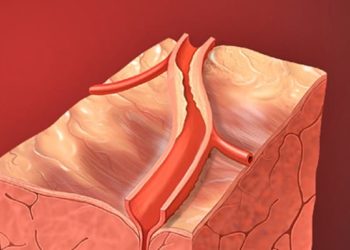
Image: PD 

1. When paired with statin therapy, evolocumab greatly reduced patient low-density lipoprotein cholesterol (LDL-C) levels compared to placebo or ezetimibe. 

2. Evolocumab paired with statin therapy reduced LDL-C levels in patients independent of statin type or treatment intensity across the three most common statins. 

Evidence Rating Level: 1 (Excellent)       

Study Rundown: Nearly 14% of Americans over 20 years of age suffer from high LDL-C levels, for which statins are the primary treatment. High levels of LDL-C are associated with increased risk of atherosclerotic cardiovascular disease and in patient cases where statins fail to adequately lower LDL-C, alternative measures are often advised. A number of non-statin therapies have been shown to reduce LDL-C levels in patients, including ezetimibe – the most commonly prescribed non-statin therapy for hypercholesterolemia. Recent concerns have arisen as to the effectiveness and safety of Ezetimibe and alternative therapies are being explored.

This study examined the capacity of evolocumab, a human monoclonal antibody against PCSK9, for reducing LDL-C levels in patients. When paired with statin therapy, evolocumab was more effective than ezetimibe or placebos in lowering patient LDL-C after 12 weeks. This finding held across three different statin types, two evolocumab dose regimes (every two weeks or monthly), and variable initial LDL-C levels. The brevity of the patient trial did not allow for assessment of the long-term effects of evolocumab on cardiovascular disease and overall patient health. Additional trials to investigate long-term safety and efficacy of evolocumab will further assess its value as a therapy for hypercholesterolemia.

RELATED REPORTS

The preoperative combination of evolocumab and rosuvastatin may not reduce major adverse cardiovascular events

Reducing saturated fat decreases mortality in high-risk individuals

Novel inhibitory antibody, MAR001, lowers triglycerides and remnant cholesterol in humans

Click to read the study in JAMA

Relevant Reading: Efficacy and safety of more intensive lowering of LDL cholesterol: a meta-analysis of data from 170 000 participants in 26 randomized trials

In-Depth [randomized controlled trial]: This trial was a phase 3 multicenter randomized controlled trial investigating the efficacy of evolocumab in combination with statins for lowering LDL-C levels. Between January and December of 2013, 1896 patients with primary hypocholesterolemia and mixed dyslipidemia underwent non-statin therapy and were included in the analysis. Prior to the study, 29% of patients were on intensive statin therapy, while 41% were on nonintensive statin therapy and 30% were on no statin therapy. Previous treatments were halted and patients were segregated, via a 2-step randomization process, into 24 treatment groups that encompassed variations of statin type (atorvastatin, simvastatin, rosuvastatin), statin dose intensity (moderate or high), non-statin therapy type (evolocumab, ezetimibe or placebo), and evolocumab dosage frequency (every two weeks or monthly). LDL-C levels at the mean of weeks 10 and 12 and at week 12 were attained by the Friedewald formula or in very low LDL cases (< 40mg/dL) by preparative ultracentrifugation. For coprimary endpoints, LDL-C end values were compared to baseline values to provide mean percent change from baseline.  Two-sided significance testing was used to compare results across treatment groups.

Monthly dosing of evolocumab reduced LDL-C levels (mean of week 10 and 12) by 62% to 65% from baseline values and by 63% to 75% from placebo values. Within a statin treatment group (atorvastatin), evolocumab reduction of LDL-C was significantly greater than placebo or ezetimibe (P < 0.001). Where evaluated, findings were similar across statin therapy variables (type and intensity), evolocumab dosage schedule, and LDL-C measurement (week 12 or mean of week 10 and 12). Adverse event frequency and type did not vary greatly across non-statin therapies.

More from this author: Genetic variant linked to poor patient survival following lung transplantation, Genetic variations may predict outcomes for colorectal cancer patients, Neuroendocrine tumor marker pancreastatin may be predictive of survival, Initial kidney transplant factors may provide insight into retransplant success

©2012-2014 2minutemedicine.com. All rights reserved. No works may be reproduced without expressed written consent from 2minutemedicine.com. Disclaimer: We present factual information directly from peer reviewed medical journals. No post should be construed as medical advice and is not intended as such by the authors, editors, staff or by 2minutemedicine.com. PLEASE SEE A HEALTHCARE PROVIDER IN YOUR AREA IF YOU SEEK MEDICAL ADVICE OF ANY SORT.  
Tags: cholesterolEvolocumabstatins
Previous Post

New drug for Chagas disease shows antitrypanosomal activity [CHAGASAZOL trial]

Next Post

Link between early life antibiotic use, asthma exacerbations, and impaired viral immunity

RelatedReports

Using HEART score to risk stratify patients with chest pain is safe but underutilized in the ED
Cardiology

The preoperative combination of evolocumab and rosuvastatin may not reduce major adverse cardiovascular events

January 12, 2026
Dietary variety linked to greater increase in childhood BMI
Cardiology

Reducing saturated fat decreases mortality in high-risk individuals

December 15, 2025
PCI not superior to medical therapy alone in stable coronary disease: The COURAGE study
Cardiology

Novel inhibitory antibody, MAR001, lowers triglycerides and remnant cholesterol in humans

June 26, 2025
Parental nonmedical prescription opioid use linked to adolescent use
Cardiology

Obicetrapib and ezetimibe combination therapy lowers LDL cholesterol in high-risk patients

June 10, 2025
Next Post
Rhinovirus, genes may interact to increase the risk of childhood asthma

Link between early life antibiotic use, asthma exacerbations, and impaired viral immunity

Delaying intrathecal therapy in leukemia may preclude need for cranial radiotherapy

Delaying intrathecal therapy in leukemia may preclude need for cranial radiotherapy

Classics Series, Landmark Trials in Medicine

The SOLVD trial: Enalapril in heart failure with reduced ejection fraction [Classics Series]

2 Minute Medicine® is an award winning, physician-run, expert medical media company. Our content is curated, written and edited by practicing health professionals who have clinical and scientific expertise in their field of reporting. Our editorial management team is comprised of highly-trained MD physicians. Join numerous brands, companies, and hospitals who trust our licensed content.

Recent Reports

  • Delivery of evidence-based interventions for alcohol misuse in the emergency department is low
  • New guidelines limit hypertension treatment in adults over 65
  • Millions of Americans became first-time gun owners post-pandemic
License Content
Terms of Use | Disclaimer
Cookie Policy
Privacy Statement (EU)
Disclaimer

© 2025 2 Minute Medicine, Inc. - Physician-written medical news.

  • Specialties
    • All Specialties, All Recent Reports
    • Cardiology
    • Chronic Disease
    • Dermatology
    • Emergency
    • Endocrinology
    • Gastroenterology
    • Imaging and Intervention
    • Infectious Disease
    • Nephrology
    • Neurology
    • Obstetrics
    • Oncology
    • Ophthalmology
    • Pediatrics
    • Pharma
    • Preclinical
    • Psychiatry
    • Public Health
    • Pulmonology
    • Rheumatology
    • Surgery
  • Tools
    • EvidencePulse™
    • RVU Search
    • NPI Registry Lookup
  • Pharma
  • AI News
  • The Scan
  • Classics™
    • 2MM+ Online Access
    • Paperback and Ebook
  • Rewinds
  • Partners
    • License Content
    • Submit Press Release
    • Advertise with Us
  • Account
    • Subscribe
    • Sign-in
    • My account
No Result
View All Result

© 2025 2 Minute Medicine, Inc. - Physician-written medical news.