A neurostimulation intervention may improve pain in patients with chronic low back pain
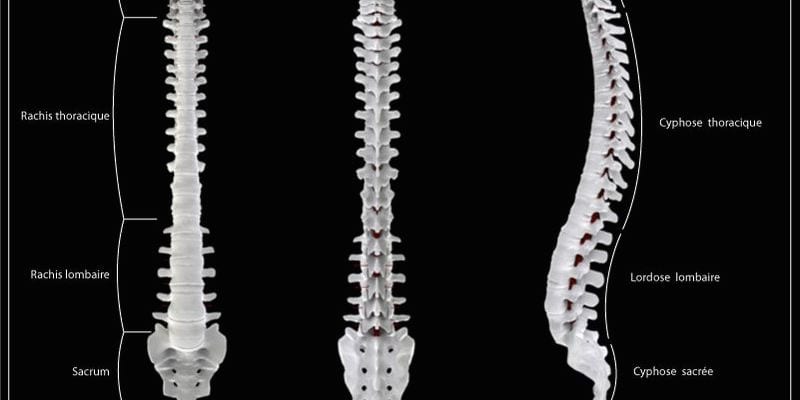
1. Restorative neurostimulation produces durable, clinically meaningful improvements in pain, disability, and quality of life at 5 years in real-world chronic mechanical low back pain patients.
Evidence Rating Level: 3 (Average)
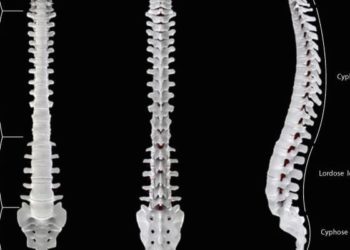
This 5-year follow-up study evaluated restorative neurostimulation (ReActiv8) for chronic mechanical low back pain (CLBP) attributed to multifidus dysfunction. Restorative neurostimulation delivers electrical stimulation to the L2 dorsal rami medial branches to induce tetanic multifidus contractions, addressing motor control impairment thought to underlie mechanical CLBP that is refractory to conservative treatment. This prospective, open-label study enrolled 42 patients across five UK sites who received the implanted device without formal inclusion/exclusion criteria, reflecting real-world practice. Outcomes—pain (NRS), disability (ODI), and quality of life (EQ-5D-5L)—were assessed at baseline and annually through 5 years, alongside device-logged therapy utilization. At 5 years, 81% of patients (34/42) completed follow-up. Mean NRS fell from 7.0 to 3.2, mean ODI from 46.6 to 26.1, and EQ-5D index rose from 0.426 to 0.703. Eighty-two percent achieved a minimally clinically important change in pain or disability, and 62% became pain remitters (NRS ≤3). Device usage declined over time (312 to 166 hours/year), with lower usage associated with non-response, though causality was unclear. No serious device-related adverse events occurred in years 4–5.
Click here to read this study in Regional Anesthesia & Pain Medicine
Image: PD
©2026 2 Minute Medicine, Inc. All rights reserved. No works may be reproduced without expressed written consent from 2 Minute Medicine, Inc. Inquire about licensing here. No article should be construed as medical advice and is not intended as such by the authors or by 2 Minute Medicine, Inc.