One in four National Football League (NFL) players who died between 2016-2021 had evidence of chronic traumatic encephalopathy
1. At least one in four National Football League (NFL) players who died between 2016-2021 had evidence of chronic traumatic encephalopathy (CTE) at death, with a potential maximum prevalence at death of 97.7%.
2. Stage IV CTE was associated with a significantly increased risk of dementia among donors.
Evidence Rating Level: 2 (Good)
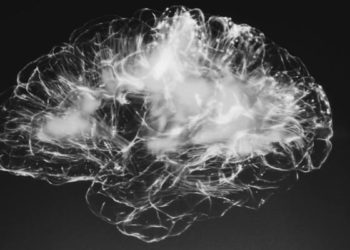
CTE is a neurodegenerative disease common among people with history of repetitive head trauma. Diagnosis of CTE can only be reliably done after death on the basis of a neuropathological evaluation. Many studies have identified increased rates of dementia on NFL players. This retrospective cohort study therefore sought to investigate the prevalence of CTE among NFL players at death. Samples from brain donors were obtained from various institutions in the United States. Death certificates from the former NFL players were obtained from the Centers for Disease Control and Prevention National Death Index and classified into different causes by two clinicians. Samples were examined using neuropathological processing and microscopic evaluation. Between 2008 and 2021, 1712 NFL players died of which 338 brains were studied. Among these 338 brains, 315 (93.2%) had CTE. When considering the time interval between 2016-2021 during which donation frequency was highest, 878 players died of which 235 brains were studied. Among these 235 brains, CTE was diagnosed in 215 (91.4%). Stage IV CTE was associated with an increased risk of dementia (risk ratio 1.44, 95% CI: 1.16-1.78, p < 0.001). Overall, this study found that among NFL players who died, a significant portion had CTE at death. Notably, advanced CTE was associated with increased risk of dementia, highlighting the importance of better characterizing CTE prevalence and risk.
Click here to read this study in the BMJ
Image: PD
©2026 2 Minute Medicine, Inc. All rights reserved. No works may be reproduced without expressed written consent from 2 Minute Medicine, Inc. Inquire about licensing here. No article should be construed as medical advice and is not intended as such by the authors or by 2 Minute Medicine, Inc.
RelatedReports