• About
  • Masthead
  • License Content
  • Advertise
  • Submit Press Release
  • RSS/Email List
  • 2MM Podcast
  • Write for us
  • Contact Us
2 Minute Medicine
No Result
View All Result

No products in the cart.

SUBSCRIBE
  • Specialties
    • All Specialties, All Recent Reports
    • Cardiology
    • Chronic Disease
    • Dermatology
    • Emergency
    • Endocrinology
    • Gastroenterology
    • Imaging and Intervention
    • Infectious Disease
    • Nephrology
    • Neurology
    • Obstetrics
    • Oncology
    • Ophthalmology
    • Pediatrics
    • Pharma
    • Preclinical
    • Psychiatry
    • Public Health
    • Pulmonology
    • Rheumatology
    • Surgery
  • Tools
    • EvidencePulse™
    • RVU Search
    • NPI Registry Lookup
  • Pharma
  • AI News
  • The Scan+
  • Classics™+
    • 2MM+ Online Access
    • Paperback and Ebook
  • Rewinds
  • Partners
    • License Content
    • Submit Press Release
    • Advertise with Us
  • Account
    • Subscribe
    • Sign-in
    • My account
2 Minute Medicine
  • Specialties
    • All Specialties, All Recent Reports
    • Cardiology
    • Chronic Disease
    • Dermatology
    • Emergency
    • Endocrinology
    • Gastroenterology
    • Imaging and Intervention
    • Infectious Disease
    • Nephrology
    • Neurology
    • Obstetrics
    • Oncology
    • Ophthalmology
    • Pediatrics
    • Pharma
    • Preclinical
    • Psychiatry
    • Public Health
    • Pulmonology
    • Rheumatology
    • Surgery
  • Tools
    • EvidencePulse™
    • RVU Search
    • NPI Registry Lookup
  • Pharma
  • AI News
  • The Scan+
  • Classics™+
    • 2MM+ Online Access
    • Paperback and Ebook
  • Rewinds
  • Partners
    • License Content
    • Submit Press Release
    • Advertise with Us
  • Account
    • Subscribe
    • Sign-in
    • My account
SUBSCRIBE
2 Minute Medicine
Subscribe
Home All Specialties Chronic Disease

Atherosclerotic risk factors associated with stroke in adulthood present from childhood and increase with age
byGursharan SohiandYuchen Dai
August 5, 2022
in Chronic Disease, Endocrinology, Neurology
Reading Time: 3 mins read
0
Share on FacebookShare on Twitter

1. Atherosclerotic risk factors associated with stroke later in life were present in children, but not associated with arterial ischemic stroke.

2. Atherosclerotic risk factors become increasingly common with age and are significantly associated with risk of stroke by the third decade of life.

Level of Evidence Rating: 2 (Good)

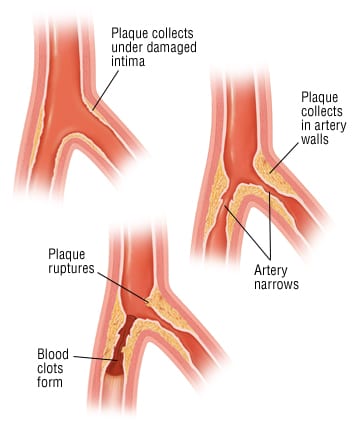
Study Rundown: Arterial ischemic stroke can be a devastating health event, the incidence of which is increasing amongst young individuals aged 50 and below. Atherosclerosis – a metabolic and vascular process which begins early in life – is known to heavily predispose individuals to stroke in older adulthood. The present study sought to assess the relationship between risk factors for atherosclerosis (hypertension, hyperlipidemia, obesity, smoking, diabetes) and risk of stroke at variable times in life.

141 cases of arterial ischemic stroke were identified amongst children and 455 amongst young adults aged 18-50 in the study population. The prevalence of atherosclerotic risk factors (ARFs) was consistently low amongst both pediatric cases and controls and increased consistently with age. Of note, hypertension and diabetes were present in 2.8% of pediatric cases and none of the pediatric controls. The odds of stroke were increased with the presence of multiple risk factors, particularly later in life. More than half of the cases aged 40-49 had multiple ARFs. In this age group, atherosclerosis was the leading cause of stroke while idiopathic stroke was the most likely etiology in all other age groups evaluated.

This study by Poisson et al demonstrated that the risk of stroke secondary to presumed atherosclerosis increases with age and with the number of ARFs, although this risk is not significant until approximately middle age. A major drawback of this study is the reliance on a diagnosis of presumed atherosclerosis based on the number of risk factors that were identified retrospectively. This methodology relies on several assumptions and may introduce misclassification bias. However, the large sample size strengthens this study, as does the scientific plausibility of these findings. Further work in this area is needed to identify the optimal time to begin screening for stroke risk and/or offer interventions to improve clinical outcomes.

RELATED REPORTS

Drying prior to plastic wrapping may not provide thermoregulatory benefits in infants admitted to the neonatal intensive care unit

Maternal smoking is associated with increased risk of sudden unexpected infant death

Atopic dermatitis activity is not associated with cardiovascular risk

Click here to read this study in JAMA Neurology

Relevant reading: Arterial ischemic stroke in children: risk factors and etiologies

In Depth [case-control study]: A nested case-control study was conducted in California using data from the Kaiser Permanente Northern California database collected between 2000 and 2014. Cases were identified using keyword searches and text string searches for International Classification of Disease codes as well as radiological reports relevant to cerebral infarct. Potential cases were then individually reviewed for inclusion by a study team clinician. Both clinical and radiographic evidence were required to include pediatric cases.

The odds ratios for having ARFs amongst participants by age were as follows: 1.87 (95% confidence interval 0.72-4.88) for ages 0-9; 1.00 (0.51-1.99) for age 10-19; 2.3 (1.17-4.51) for age 20-29; 3.57 (2.34-5.45) for age 30-39; and 4.91 (3.52-6.86) for age 40-49. The odds ratio of stroke with multiple ARFs increased notably with age: 5.29 (95% confidence interval 0.47-59.4) for age 0-9 years, 2.75 (0.77-9.87) for 10-19 years, 7.33 (1.92-27.9) for 20-29 years, 9.86 (4.96-19.6) for age 30-39 years and 9.35 (6.31-13.8) for age range 40-49 years. The prevalence of presumed atherosclerosis by age group was as follows: 0% (0-9 years), 1.8% (10-19 years), 8.5% (20-29 years), 21.5% (30-39 years) and 42.5% (40-49 years).

Image: PD

©2022 2 Minute Medicine, Inc. All rights reserved. No works may be reproduced without expressed written consent from 2 Minute Medicine, Inc. Inquire about licensing here. No article should be construed as medical advice and is not intended as such by the authors or by 2 Minute Medicine, Inc.

Tags: arterial ischemic strokeatherosclerorsispediatricsrisk factorsstroke
Previous Post

CT-guided percutaneous lung biopsies more effective for larger pulmonary nodules [Classics Series]

Next Post

2 Minute Medicine Rewind August 8, 2022

RelatedReports

Stochastic resonance stimulation may decrease apnea of prematurity
Emergency

Drying prior to plastic wrapping may not provide thermoregulatory benefits in infants admitted to the neonatal intensive care unit

April 10, 2026
Strict tobacco licensing laws linked to reduced adolescent smoking initiation
Health

Maternal smoking is associated with increased risk of sudden unexpected infant death

April 9, 2026
Eczema more prevalent among older adults than previously thought
Cardiology

Atopic dermatitis activity is not associated with cardiovascular risk

April 2, 2026
Cardiology

Placental abruption during pregnancy is not associated with increased risk of cardiovascular mortality in children

April 1, 2026
Next Post
Primary care physicians play substantial role in pediatric mental health

2 Minute Medicine Rewind August 8, 2022

ACP offers recommendations to improve the ACA, patient care

Supplemental nutrition sssistant programs may help prevent child maltreatment

Patient Basics: Detached Retina

Shorter time to surgical repair of macula-off retinal detachment may improve final visual acuity

2 Minute Medicine® is an award winning, physician-run, expert medical media company. Our content is curated, written and edited by practicing health professionals who have clinical and scientific expertise in their field of reporting. Our editorial management team is comprised of highly-trained MD physicians. Join numerous brands, companies, and hospitals who trust our licensed content.

Recent Reports

  • Transcranial magnetic stimulation may reduce combat-related post-traumatic stress disorder symptoms
  • High-flow nasal oxygen therapy may not be superior to standard oxygen therapy after cardiac surgery
  • Segment 4b/5 resection offers no survival advantage over wedge resection in gallbladder cancer
License Content
Terms of Use | Disclaimer
Cookie Policy
Privacy Statement (EU)
Disclaimer

The Classics in Medicine Paperback Released!

Over the past 30 years, the transition from print to digital media has contributed to an exponential increase in medical literature. In response, 2 Minute Medicine presents 160+ authoritative, physician-written summaries of the most cited landmark trials in medicine.

amazon-logo_blackGet-it-on-iBooks-badge

Click anywhere to close this announcement

  • Specialties
    • All Specialties, All Recent Reports
    • Cardiology
    • Chronic Disease
    • Dermatology
    • Emergency
    • Endocrinology
    • Gastroenterology
    • Imaging and Intervention
    • Infectious Disease
    • Nephrology
    • Neurology
    • Obstetrics
    • Oncology
    • Ophthalmology
    • Pediatrics
    • Pharma
    • Preclinical
    • Psychiatry
    • Public Health
    • Pulmonology
    • Rheumatology
    • Surgery
  • Tools
    • EvidencePulse™
    • RVU Search
    • NPI Registry Lookup
  • Pharma
  • AI News
  • The Scan
  • Classics™
    • 2MM+ Online Access
    • Paperback and Ebook
  • Rewinds
  • Partners
    • License Content
    • Submit Press Release
    • Advertise with Us
  • Account
    • Subscribe
    • Sign-in
    • My account
No Result
View All Result

© 2026 2 Minute Medicine, Inc. - Physician-written medical news.