



• About
  • Masthead
  • License Content
  • Advertise
  • Submit Press Release
  • RSS/Email List
  • 2MM Podcast
  • Write for us
  • Contact Us
2 Minute Medicine
No Result
View All Result

No products in the cart.

SUBSCRIBE
  • Specialties
    • All Specialties, All Recent Reports
    • Cardiology
    • Chronic Disease
    • Dermatology
    • Emergency
    • Endocrinology
    • Gastroenterology
    • Imaging and Intervention
    • Infectious Disease
    • Nephrology
    • Neurology
    • Obstetrics
    • Oncology
    • Ophthalmology
    • Pediatrics
    • Pharma
    • Preclinical
    • Psychiatry
    • Public Health
    • Pulmonology
    • Rheumatology
    • Surgery
  • AI EvidencePulse™
  • Pharma
  • AI News
  • The Scan+
  • Classics™+
    • 2MM+ Online Access
    • Paperback and Ebook
  • Rewinds
  • Podcasts
  • Partners
    • License Content
    • Submit Press Release
    • Advertise with Us
  • Account
    • Subscribe
    • Sign-in
    • My account
2 Minute Medicine
  • Specialties
    • All Specialties, All Recent Reports
    • Cardiology
    • Chronic Disease
    • Dermatology
    • Emergency
    • Endocrinology
    • Gastroenterology
    • Imaging and Intervention
    • Infectious Disease
    • Nephrology
    • Neurology
    • Obstetrics
    • Oncology
    • Ophthalmology
    • Pediatrics
    • Pharma
    • Preclinical
    • Psychiatry
    • Public Health
    • Pulmonology
    • Rheumatology
    • Surgery
  • AI EvidencePulse™
  • Pharma
  • AI News
  • The Scan+
  • Classics™+
    • 2MM+ Online Access
    • Paperback and Ebook
  • Rewinds
  • Podcasts
  • Partners
    • License Content
    • Submit Press Release
    • Advertise with Us
  • Account
    • Subscribe
    • Sign-in
    • My account
SUBSCRIBE
2 Minute Medicine
Subscribe
Home All Specialties Chronic Disease

Bariatric surgery superior to medical therapy for diabetes at five-years: The STAMPEDE trial

byJames RoebkerandShaidah Deghan, MSc. MD
February 16, 2017
in Chronic Disease, Endocrinology, Gastroenterology, Surgery
Reading Time: 3 mins read
0
Share on FacebookShare on Twitter

1. Bariatric surgery significantly reduced and sustained glycated hemoglobin (HbA1c) levels compared to medical therapy at five-year follow-up.

2. Both gastric bypass and sleeve gastrectomy were associated with a significantly higher degree of sustained weight loss, reduced use of cardiovascular and glucose-lowering medications, and improvement in quality of life (QOL) compared to medical therapy.

Evidence Rating Level: 1 (Excellent) 

Study Rundown: Four years ago, researchers from the STAMPEDE trial first reported reductions in HbA1c in type 2 diabetic patients with mild to moderate obesity who underwent bariatric surgery. These findings were then confirmed in the three-year follow-up. Since then, a growing number of unblinded trials have demonstrated the superiority of bariatric surgery compared to medial therapy in glucose control and sustained weight loss. This final report is the five-year follow-up from the landmark STAMPEDE trial. The primary outcome – sustained HbA1c of 6.0% of less – was significantly more likely in both the gastric-bypass group and sleeve-gastrectomy group compared with medial therapy. Among secondary outcomes, bariatric surgery demonstrated a significant improvement in weight reduction, lipid profiles, QOL, and reduced medication use. Though surgical risks must still be considered on an individual patient level, the results of this five-year trial support the role of bariatric surgery as an early and primary treatment option for type 2 diabetes in patients with mild to moderate obesity.

This is the largest and longest randomized trial to compare bariatric surgery and medical therapy in patients with diabetes. However, the sample size and duration are still inadequate to detect long-term differences in the rate of possible end-organ sequelae. The potential benefits of bariatric surgery on clinical end-points such as cardiovascular mortality, retinopathy, and nephropathy require larger, multicenter trials for evaluation.

Click to read the study, published today in NEJM

RELATED REPORTS

Pancreatic beta-cell secretory products in the diagnosis and risk stratification of gestational diabetes mellitus: a prospective longitudinal cohort study

Energy-reduced Mediterranean diet with increased physical activity may significantly reduce risk of type 2 diabetes

The Scan by 2 Minute Medicine®: Fibroids, Fatigue, Tainted Syrups, and Bariatric Barriers

Relevant Reading: Bariatric surgery versus intensive medical therapy for diabetes – 3-year outcomes

In-Depth [randomized controlled trial]: This was a three-group, randomized, controlled, non-blinded, single-center trial that assigned 134 patients with a body-mass index (BMI) of 27 to 43 to gastric bypass, sleeve gastrectomy, or medical therapy in a 1:1:1 ratio. The primary outcome was a HbA1c level of 6.0% or less with or without the use of diabetes medications. Prespecified secondary outcomes included measures of glycemic control, weight loss, blood pressure, lipid levels, renal function, ophthalmologic outcomes, medication use, adverse events, and quality of life.

The rate of achieving and sustaining HbA1c levels at or below 6.0% was significantly higher in both gastric bypass (29% vs. 5%; p = 0.01) and sleeve gastrectomy (23% vs. 5%; p = 0.03) compared to medical therapy. After adjusting for multiple comparisons, these P-values were changed from 0.01 and 0.03 to 0.03 and 0.07, respectively. A duration of diabetes for less than 8 years was also found to be the main predictor of a lowered and sustained HbA1c. Sustained weight loss was significantly higher in both surgical groups compared to medical therapy (p < 0.05), with the reduction in body weight greater in the gastric bypass group versus sleeve gastrectomy (p = 0.01). Among other secondary outcomes, there were significant improvements in pain and quality of life based on validated surveys (p < 0.05 for all comparisons) and a significant reduction in cardiovascular disease biomarkers in the surgical groups (triglycerides, high-density lipoprotein). Late surgical complications included one late reoperation and mild anemia. No significant differences were noted in blood pressure, ophthalmologic, or renal outcomes. Results were similar in patients with a BMI both above and below 35 and confirm findings from the STAMPEDE trial’s one-year and three-year reports.

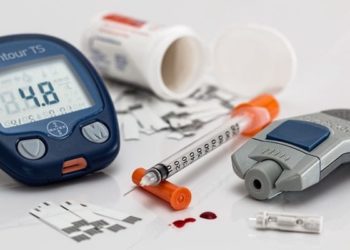
Image: PD

©2017 2 Minute Medicine, Inc. All rights reserved. No works may be reproduced without expressed written consent from 2 Minute Medicine, Inc. Inquire about licensing here. No article should be construed as medical advice and is not intended as such by the authors or by 2 Minute Medicine, Inc

Tags: bariatric surgerydiabetes mellitus
Previous Post

JAK 1 and 2 inhibitor superior to adalimumab in treatment of rheumatoid arthritis: The RA-BEAM trial

Next Post

AAP releases 2017 recommendations for preventive pediatric health care

RelatedReports

2 Minute Medicine

Pancreatic beta-cell secretory products in the diagnosis and risk stratification of gestational diabetes mellitus: a prospective longitudinal cohort study

September 8, 2025
Mediterranean diet may reduce age-related neurocognitive decline
Endocrinology

Energy-reduced Mediterranean diet with increased physical activity may significantly reduce risk of type 2 diabetes

August 28, 2025
The Scan by 2 Minute Medicine®:  Ultra-Trail du Mont-Blanc, Taylor Swift, NBA rookie Chet Holmgren and Magic Mushrooms!
The Scan by 2 Minute Medicine®

The Scan by 2 Minute Medicine®: Fibroids, Fatigue, Tainted Syrups, and Bariatric Barriers

August 5, 2025
Unpaid caregivers of older adults experience emotional, physical, and financial difficulty
All Specialties

Glucagon-like peptide-1 receptor agonists and dipeptidyl peptidase-4 inhibitors associated with similar dementia risk in older adults

July 22, 2025
Next Post
Tonsillectomy may have short-term benefits in recurrent throat infection

AAP releases 2017 recommendations for preventive pediatric health care

AAP addresses neonatal pain prevention

Periviable infants are becoming more likely to survive without neurodevelopmental impairment

Niraparib may lengthen progression-free survival for patients with recurrent ovarian cancer

Scalp cooling reduces alopecia among women undergoing chemotherapy for breast cancer

2 Minute Medicine® is an award winning, physician-run, expert medical media company. Our content is curated, written and edited by practicing health professionals who have clinical and scientific expertise in their field of reporting. Our editorial management team is comprised of highly-trained MD physicians. Join numerous brands, companies, and hospitals who trust our licensed content.

Recent Reports

  • Vitamin D Levels During Pregnancy and Dental Caries in Offspring
  • Arthroscopic subacromial decompression versus placebo surgery for subacromial pain syndrome: 10 year follow-up of the FIMPACT randomised, placebo surgery controlled trial 
  • Impact of population based breast density notification: multisite parallel arm randomised controlled trial in BreastScreen 
License Content
Terms of Use | Disclaimer
Cookie Policy
Privacy Statement (EU)
Disclaimer

© 2025 2 Minute Medicine, Inc. - Physician-written medical news.

  • Specialties
    • All Specialties, All Recent Reports
    • Cardiology
    • Chronic Disease
    • Dermatology
    • Emergency
    • Endocrinology
    • Gastroenterology
    • Imaging and Intervention
    • Infectious Disease
    • Nephrology
    • Neurology
    • Obstetrics
    • Oncology
    • Ophthalmology
    • Pediatrics
    • Pharma
    • Preclinical
    • Psychiatry
    • Public Health
    • Pulmonology
    • Rheumatology
    • Surgery
  • AI EvidencePulse™
  • Pharma
  • AI News
  • The Scan
  • Classics™
    • 2MM+ Online Access
    • Paperback and Ebook
  • Rewinds
  • Podcasts
  • Partners
    • License Content
    • Submit Press Release
    • Advertise with Us
  • Account
    • Subscribe
    • Sign-in
    • My account
No Result
View All Result

© 2025 2 Minute Medicine, Inc. - Physician-written medical news.