• About
  • Masthead
  • License Content
  • Advertise
  • Submit Press Release
  • RSS/Email List
  • 2MM Podcast
  • Write for us
  • Contact Us
2 Minute Medicine
No Result
View All Result

No products in the cart.

SUBSCRIBE
  • About
  • Specialties
    • All Specialties, All Recent Reports
    • Cardiology
    • Chronic Disease
    • Dermatology
    • Emergency
    • Endocrinology
    • Gastroenterology
    • Imaging and Intervention
    • Infectious Disease
    • Nephrology
    • Neurology
    • Obstetrics
    • Oncology
    • Ophthalmology
    • Pediatrics
    • Pharma
    • Preclinical
    • Psychiatry
    • Public Health
    • Pulmonology
    • Rheumatology
    • Surgery
  • Tools+
    • EvidencePulse™
    • HypeCheck™
    • NPI Registry Lookup
    • RVU Search
  • Pharma
  • AI Roundup
  • The Scan+
  • Classics™+
    • 2MM+ Online Access
    • Paperback and Ebook
  • Rewinds
  • Partners
    • License Content
    • Submit Press Release
    • Advertise with Us
  • Account
    • Subscribe
    • My account
    • Cart
    • Sign-in
2 Minute Medicine
  • About
  • Specialties
    • All Specialties, All Recent Reports
    • Cardiology
    • Chronic Disease
    • Dermatology
    • Emergency
    • Endocrinology
    • Gastroenterology
    • Imaging and Intervention
    • Infectious Disease
    • Nephrology
    • Neurology
    • Obstetrics
    • Oncology
    • Ophthalmology
    • Pediatrics
    • Pharma
    • Preclinical
    • Psychiatry
    • Public Health
    • Pulmonology
    • Rheumatology
    • Surgery
  • Tools+
    • EvidencePulse™
    • HypeCheck™
    • NPI Registry Lookup
    • RVU Search
  • Pharma
  • AI Roundup
  • The Scan+
  • Classics™+
    • 2MM+ Online Access
    • Paperback and Ebook
  • Rewinds
  • Partners
    • License Content
    • Submit Press Release
    • Advertise with Us
  • Account
    • Subscribe
    • My account
    • Cart
    • Sign-in
SUBSCRIBE
2 Minute Medicine
Subscribe
EvidencePulse™ by 2 Minute Medicine 2026 evidence scan 3 reports You asked top stroke trials 2026 Synthesizing medical evidence... Top 2026 stroke trial results: OCEANIC — ischemic stroke: 6.2% vs 8.4% OPTION* — mRS 0–1: 43.6% vs 34.2% ORIENTAL* — mRS 0–2: 58.6% vs 46.6% *Higher sICH in intervention arms Participants randomizedN OCEANIC 12,327 OPTION 570 ORIENTAL 564 Ask about guidelines or landmark trials... ↑ Try EvidencePulse™ Ask the evidence.
Get the signal.
Try it now → Physician-trained medical AI by 2 Minute Medicine
Home All Specialties Endocrinology

Bihormonal artificial pancreas effective for post total pancreatectomy patients
byMichael WongandAlex Chan
September 19, 2022
in Endocrinology, Gastroenterology, Surgery
Reading Time: 4 mins read
Rectal indomethacin dose escalation for prevention of pancreatitis after endoscopic retrograde cholangiopancreatography in high-risk patients
Share on FacebookShare on Twitter

1. In patients that developed diabetes following total pancreatectomy, those using bihormonal artificial pancreas (BIHAP) were found to have significantly increased time in euglycemia when compared to patients using current diabetes care.

2. A majority of patients in the study wished to continue the BIHAP treatment if possible, on the condition that the number of alarms given by BIHAP and size of the device would be reduced.

Evidence Rating Level: 1 (Excellent)

Study Rundown: Total pancreatectomy is the definitive treatment in certain patients including those with main duct intraductal papillary mucinous neoplasm, pancreatic cancer, or therapy-refractory painful chronic pancreatitis. Consequently, due to loss of endogenous production of insulin and glucagon, all patients post-total pancreatectomy develop diabetes, and require lifelong intense insulin replacement with high risk of hypoglycemia. Adequate glycemic control in these patients is very challenging, and this brittle diabetes leads to increased mortality and morbidity in the long-term. In addition, patient quality-of-life is impaired because lifestyles become adapted to actively measuring and regulating one’s own glucose. The first bihormonal artificial pancreas (BIHAP) was assessed in patients with Type 1 Diabetes Mellitus in the APPEL5 study; the device contains both insulin and glucagon and controls glucose reactively with a self-learning mechanism. The purpose of this study was to investigate the efficacy and safety of BIHAP following total pancreatectomy. This study was a randomized crossover trial that compared BIHAP to current diabetes care in outpatients with diabetes after total pancreatectomy. Patients were recruited between August and November 2020, referred by surgeons from hospitals participating in the Dutch Pancreatic Cancer Group. Participants were randomized 1:1 to start with 7-day treatment of current diabetes care, including insulin pens or pumps, or 7-day treatment of BIHAP, and then crossing over to the other treatment afterwards. The main outcome was median percentage of time spent in euglycemia during treatment. 10 patients were included in the analysis in total, with 5 (50%) starting with current diabetes care, and 5 (50%) starting with BIHAP. Overall, the percentage of time spent in euglycemia was significantly higher with patients using BIHAP when compared to current diabetes care (78.30% vs 57.38%, P=.004). With respect to secondary outcomes, patients spent less time in level 1 and 2 hypoglycemia in the BIHAP group versus the current diabetes care group. Patients also spent less time in level 2 hyperglycemia in the BIHAP group, but there was no significant difference between the groups for time spent in level 1 hyperglycemia. There were no severe adverse events detected during the main study phases, but mild symptoms including nausea, headache, and skin irritation were reported in the BIHAP group. In terms of safety, 4 additional home visits were required for the BIHAP group to address wi-fi and sensor connection issues but did not lead to relevant risk to patients. In summary, patients using BIHAP were found to spend more time in euglycemia during the 7-day treatment period without serious adverse effects. Given the increased morbidity and mortality due to the development of diabetes after total pancreatectomy, the self-adjusting BIHAP is an important advancement towards improving outcomes for this patient population. Limitations of this study include small sample size as well as short period of treatment, increasing risk of type I error.

Click to read the study in JAMA Surgery

Relevant Reading: Fully Closed Loop Glucose Control With a Bihormonal Artificial Pancreas in Adults With Type 1 Diabetes: An Outpatient, Randomized, Crossover Trial

RELATED REPORTS

Choice of bicarbonate-buffered solution versus compound sodium lactate as the intraoperative crystalloid solution during abdominal surgery remains unclear

2 Minute Medicine Rewind September 14, 2026

Weight loss is associated with improved vascular function in patients with metabolic dysfunction-associated steatotic liver disease

In-Depth [randomized controlled trial]: This study analyzed patients post total pancreatectomy in hospitals participating in the Dutch Pancreatic Cancer Group between August 21 and November 16, 2020. Patients aged 18 and over receiving treatment for diabetes after undergoing a total pancreatectomy were included in the study. Exclusion criteria included recent total pancreatectomy, within 3 months, and impaired patient awareness of hypoglycemia, according to the Gold or Clarke questionnaire. A total of 10 patients were analyzed, with 5 (50%) randomized to receive current diabetes care first, and 5 (50%) randomized to receive BIHAP treatment first. The percentage of time spent in euglycemia was significantly higher with patients using BIHAP versus current diabetes care (median, 78.30% [IQR, 71.05%-82.61%] vs 57.38% [IQR, 52.38%-81.35%]; P=0.03). In addition, time spent in level 1 hypoglycemia was significantly lower in patients receiving BIHAP versus current diabetes care (median, 0.00% vs 1.61%; P=.004), and time spent in level 2 hypoglycemia was significantly lower in patients receiving BIHAP versus current diabetes care (median, 0.00% vs 0.62%; P=.02). With respect to hyperglycemia, time in level 1 hyperglycemia was not significantly different between the groups (P=.19), while patients spent less time in level 2 hyperglycemia during the BIHAP versus current diabetes care (median, 1.17% vs 8.41%; P=.049). With respect to adverse effects, there were no cases of severe hypoglycemia, ketoacidosis, or other serious events during the main study phase. Adverse events reported during the BIHAP treatment included nausea (10%), headache (20%), and skin irritation (40%). Furthermore, 4 additional home visits were required for the BIHAP treatment for technical issues. When asked whether they would recommend or continue the BIHAP treatment, 7 (70%) of participants wished to continue BIHAP, and subjectively noted an increase in quality of life when compared to current diabetes care. Overall,  this randomized controlled crossover trial suggests that patients who underwent a total pancreatectomy and developed diabetes as a result spent more time in euglycemia and less time in hypo- and hyperglycemia during 7-day courses of BIHAP treatment versus current diabetes care.

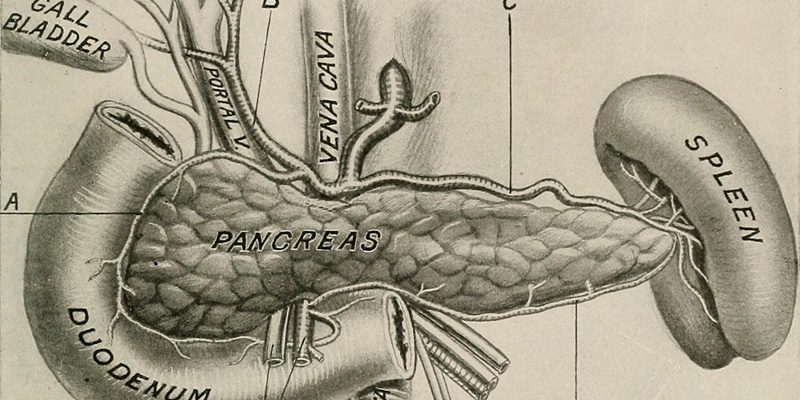
Image: PD

©2020 2 Minute Medicine, Inc. All rights reserved. No works may be reproduced without expressed written consent from 2 Minute Medicine, Inc. Inquire about licensing here. No article should be construed as medical advice and is not intended as such by the authors or by 2 Minute Medicine, Inc.


Tags: GastroenterologySurgery
Previous Post

Sleep surgery for obstructive sleep apnea may decrease blood pressure

Next Post

Adjuvant pembrolizumab increased disease-free survival in completely resected, PD-L1 unselected non-small-cell lung cancer patients

RelatedReports

Imaging and Intervention

Choice of bicarbonate-buffered solution versus compound sodium lactate as the intraoperative crystalloid solution during abdominal surgery remains unclear

September 15, 2026
Weekly Rewinds

2 Minute Medicine Rewind September 14, 2026

September 14, 2026
Fatty liver disease may independently predict high-risk coronary disease
Cardiology

Weight loss is associated with improved vascular function in patients with metabolic dysfunction-associated steatotic liver disease

August 21, 2026
Survival greater in cervical cancer patients undergoing abdominal hysterectomy compared to minimally invasive techniques: the LACC trial
Chronic Disease

Surgery is associated with an increased quality of life in women with endometriosis

August 11, 2026
Next Post
Patient Basics: Lung Cancer Overview

Adjuvant pembrolizumab increased disease-free survival in completely resected, PD-L1 unselected non-small-cell lung cancer patients

ABCD2 Score: Predicting Early Stroke Risk After Transient Ischemic Attack (TIA) [Classics Series]

Magnesium for the prevention of cerebral palsy [Classics Series]

Patient-reported outcomes differ significantly based on treatment in prostate cancer: The ProtecT trial

Neoadjuvant celmiplimab is associated with pathologic response in cutaneous squamous cell carcinoma

EvidencePulse™ by 2 Minute Medicine 2026 evidence scan 3 reports You asked top stroke trials 2026 Synthesizing medical evidence... Top 2026 stroke trial results: OCEANIC — ischemic stroke: 6.2% vs 8.4% OPTION* — mRS 0–1: 43.6% vs 34.2% ORIENTAL* — mRS 0–2: 58.6% vs 46.6% *Higher sICH in intervention arms Participants randomizedN OCEANIC 12,327 OPTION 570 ORIENTAL 564 Ask about guidelines or landmark trials... ↑ Try EvidencePulse™ Get the signal. Try it now → Physician-trained medical AI by 2 Minute Medicine

2MM+ All Access

Full details →
$4.99 /month

3-day free trial · cancel anytime

  • ✓100+ physician-written reports
  • ✓EvidencePulse™ + HypeCheck™
  • ✓Ad-free reading + newsletters
Start 3-day free trial

Then $4.99/month. Manage renewal in your account.

2 Minute Medicine® is an award winning, physician-run, expert medical media company. Our content is curated, written and edited by practicing health professionals who have clinical and scientific expertise in their field of reporting. Our editorial management team is comprised of highly-trained MD physicians. Join numerous brands, companies, and hospitals who trust our licensed content.

Recent Reports

  • Prognostic associations of anthropometric indices vary by clinical outcomes
  • Anitocabtagene autoleucel associated with sustained clinical response in heavily pretreated multiple myeloma
  • Gene therapy shows sustained benefit in Wiskott–Aldrich syndrome
License Content
Terms of Use | Disclaimer
Cookie Policy
Cleantalk Pixel
2MM+ All Access Full details →

The medical literature, distilled daily.

Monthly plan selected: $4.99 /month.

$4.99/month

3-day free trial · cancel anytime

Start 3-day free trial

Then $4.99/month. Manage renewal in your account.

Yearly plan selected: $49.90 /year.

$49.90/year

2 months free

Start 3-day free trial

Then $49.90/year.

Membership benefits

  • ✓100+ physician-written reports
  • ✓AI EvidencePulse™ + HypeCheck™
  • ✓Ad-free reading + newsletters

Already a member? Sign in

  • About
  • Specialties
    • All Specialties, All Recent Reports
    • Cardiology
    • Chronic Disease
    • Dermatology
    • Emergency
    • Endocrinology
    • Gastroenterology
    • Imaging and Intervention
    • Infectious Disease
    • Nephrology
    • Neurology
    • Obstetrics
    • Oncology
    • Ophthalmology
    • Pediatrics
    • Pharma
    • Preclinical
    • Psychiatry
    • Public Health
    • Pulmonology
    • Rheumatology
    • Surgery
  • Tools
    • EvidencePulse™
    • HypeCheck™
    • NPI Registry Lookup
    • RVU Search
  • Pharma
  • AI Roundup
  • The Scan
  • Classics™
    • 2MM+ Online Access
    • Paperback and Ebook
  • Rewinds
  • Partners
    • License Content
    • Submit Press Release
    • Advertise with Us
  • Account
    • Subscribe
    • My account
    • Cart
    • Sign-in
No Result
View All Result

© 2026 2 Minute Medicine, Inc. - Physician-written medical news.