• About
  • Masthead
  • License Content
  • Advertise
  • Submit Press Release
  • RSS/Email List
  • 2MM Podcast
  • Write for us
  • Contact Us
2 Minute Medicine
No Result
View All Result

No products in the cart.

SUBSCRIBE
  • About
  • Specialties
    • All Specialties, All Recent Reports
    • Cardiology
    • Chronic Disease
    • Dermatology
    • Emergency
    • Endocrinology
    • Gastroenterology
    • Imaging and Intervention
    • Infectious Disease
    • Nephrology
    • Neurology
    • Obstetrics
    • Oncology
    • Ophthalmology
    • Pediatrics
    • Pharma
    • Preclinical
    • Psychiatry
    • Public Health
    • Pulmonology
    • Rheumatology
    • Surgery
  • Tools+
    • EvidencePulse™
    • HypeCheck™
    • NPI Registry Lookup
    • RVU Search
  • Pharma
  • AI Roundup
  • The Scan+
  • Classics™+
    • 2MM+ Online Access
    • Paperback and Ebook
  • Rewinds
  • Partners
    • License Content
    • Submit Press Release
    • Advertise with Us
  • Account
    • Subscribe
    • My account
    • Cart
    • Sign-in
2 Minute Medicine
  • About
  • Specialties
    • All Specialties, All Recent Reports
    • Cardiology
    • Chronic Disease
    • Dermatology
    • Emergency
    • Endocrinology
    • Gastroenterology
    • Imaging and Intervention
    • Infectious Disease
    • Nephrology
    • Neurology
    • Obstetrics
    • Oncology
    • Ophthalmology
    • Pediatrics
    • Pharma
    • Preclinical
    • Psychiatry
    • Public Health
    • Pulmonology
    • Rheumatology
    • Surgery
  • Tools+
    • EvidencePulse™
    • HypeCheck™
    • NPI Registry Lookup
    • RVU Search
  • Pharma
  • AI Roundup
  • The Scan+
  • Classics™+
    • 2MM+ Online Access
    • Paperback and Ebook
  • Rewinds
  • Partners
    • License Content
    • Submit Press Release
    • Advertise with Us
  • Account
    • Subscribe
    • My account
    • Cart
    • Sign-in
SUBSCRIBE
2 Minute Medicine
Subscribe
EvidencePulse™ by 2 Minute Medicine 2026 evidence scan 3 reports You asked top stroke trials 2026 Synthesizing medical evidence... Top 2026 stroke trial results: OCEANIC — ischemic stroke: 6.2% vs 8.4% OPTION* — mRS 0–1: 43.6% vs 34.2% ORIENTAL* — mRS 0–2: 58.6% vs 46.6% *Higher sICH in intervention arms Participants randomizedN OCEANIC 12,327 OPTION 570 ORIENTAL 564 Ask about guidelines or landmark trials... ↑ Try EvidencePulse™ Ask the evidence.
Get the signal.
Try it now → Physician-trained medical AI by 2 Minute Medicine
Home All Specialties Infectious Disease

Ceftobiprole non-inferior to daptomycin in treating Staphylococcus aureus bacteremia

byJunghoon KoandKiera Liblik
November 21, 2023
in Infectious Disease, Public Health
Reading Time: 3 mins read
Variation in NICU antibiotic use not linked to outcomes
Share on FacebookShare on Twitter

1. In this randomized controlled trial, treatment of patients with complicated Staphylococcus aureus (S. aureus) bacteremia with ceftobiprole was non-inferior to treatment with daptomycin.

2. Secondary outcomes were consistent between the ceftobiprole and daptomycin treatment groups, including mortality, relapse, and microbiologic eradication.

Evidence Rating Level: 1 (Excellent)

Study Rundown: S. aureus is a leading cause of bacteremia and is associated with several complications, including infective endocarditis. Treatment options are somewhat limited, especially for those infected with methicillin-resistant S. aureus (MRSA), and there have been few randomized controlled trials to inform treatment of S. aureus bacteremia. One such trial occurred more than 15 years ago and led to the approval of daptomycin for this indication. This phase III non-inferiority trial aimed to compare the efficacy of ceftobiprole, a fifth-generation cephalosporin with bactericidal activity against methicillin-susceptible S. aureus (MSSA) and MRSA, to daptomycin in the treatment of complicated S. aureus bacteremia. Overall, it demonstrated that the treatment success rate in patients who received ceftobiprole was non-inferior to that in patients who received daptomycin. Both ceftobiprole and daptomycin treatment groups exhibited similar rates of mortality, relapse, bacteremia-associated complications, and microbiologic eradication. Ceftobiprole was also associated with increased gastrointestinal adverse events and hypokalemia. Moreover, definitive conclusions regarding the efficacy of ceftobiprole against the treatment of MRSA bacteremia are limited given the small sample size of the subgroup used in this study.

Click to read the study in NEJM

Relevant Reading: Daptomycin versus standard therapy for bacteremia and endocarditis caused by Staphylococcus aureus

RELATED REPORTS

Chronic exposure to particulate matter is associated with increased cardiovascular risk

Lower levels of education and place of birth were associated with non-admission to the intensive care unit in Sweden during COVID-19 pandemic

Mortality in the post-housing period is high among homeless people in Ottawa, Canada

In-Depth [randomized controlled trial]: ERADICATE is a phase III, double-blinded, randomized, non-inferiority trial comparing the efficacy of ceftobiprole to daptomycin in the treatment of complicated S. aureus bacteremia. Patients who were at least 18 years of age and had clinical evidence of complicated bacteremia with at least one positive blood culture within 72 hours prior to assignment to a treatment group were selected for the study. These patients were assigned in a 1:1 ratio to receive 500 mg of ceftobiprole intravenously every six hours for eight days and then every eight hours thereafter versus daptomycin intravenously at a dose of 6 mg/kg every 24 hours with the option to up-titrate to 10 mg/kg. The primary outcome was “treatment success” at 70 days after randomization, defined as survival, symptomatic improvement, microbiologic eradiation, and symptomatic improvement without the use of other potentially effective antibiotics, with a non-inferiority margin of 15%. At the end of the study, 69.8% of patients in the ceftobiprole group exhibited treatment success versus 68.7% of those in the daptomycin group (adjusted difference, 2.0 percentage points; 95% Confidence Interval, -7.1 to 11.1). More specifically, the lower boundary of -7.1% was greater than that of the pre-specified non-inferiority margin, suggesting that ceftobiprole was non-inferior to daptomycin. Rates of secondary outcomes were consistent across both ceftobiprole and daptomycin treatment groups, including mortality (9.0% vs 9.1%), bacteremia-associated complications (5.8% vs 5.6%), and microbiologic eradication (82.0% vs 77.3%). Adverse events thought to be related to the treatment drug were more common in the ceftobiprole group (13.1% vs 5.6%) with higher incidences of gastrointestinal symptoms and hypokalemia in these patients. In summary, this trial demonstrated that ceftobiprole was non-inferior to daptomycin in the treatment of complicated S. aureus bacteremia.

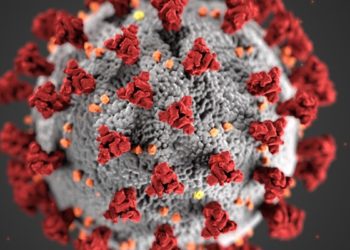
Image: PD

©2023 2 Minute Medicine, Inc. All rights reserved. No works may be reproduced without expressed written consent from 2 Minute Medicine, Inc. Inquire about licensing here. No article should be construed as medical advice and is not intended as such by the authors or by 2 Minute Medicine, Inc.

Tags: bacteremiaceftobiproledaptomycinERADICATEinfectious diseasepublic healthStaphylococcus aureus
Previous Post

Pomegranate peel extract improved the metabolic profile of patients with non-alcoholic fatty liver disease

Next Post

Combined aerobic and strength training most effective for improving diabetes outcomes

RelatedReports

Cardiology

Chronic exposure to particulate matter is associated with increased cardiovascular risk

September 10, 2026
Novel coronavirus identified from patients with pneumonia in Wuhan, China
Emergency

Lower levels of education and place of birth were associated with non-admission to the intensive care unit in Sweden during COVID-19 pandemic

September 1, 2026
“Housing First” linked to housing stability for homeless youth with mental illness
Public Health

Mortality in the post-housing period is high among homeless people in Ottawa, Canada

August 31, 2026
Risk of autism in offspring linked to maternal pregestational diabetes and severe obesity
Obstetrics

A landmark court ruling was associated with increased travel across state borders for abortion care

August 28, 2026
Next Post
Reduced gestational weight gain with lifestyle intervention

Combined aerobic and strength training most effective for improving diabetes outcomes

#VisualAbstract: First-Line Selpercatinib or Chemotherapy and Pembrolizumab in RET Fusion–Positive Non-Small Cell Lung Cancer

#VisualAbstract: First-Line Selpercatinib or Chemotherapy and Pembrolizumab in RET Fusion–Positive Non-Small Cell Lung Cancer

Social networks play key roles in parental vaccination decisions

Botulinum toxin effective in treating isolated or essential head tremor

EvidencePulse™ by 2 Minute Medicine 2026 evidence scan 3 reports You asked top stroke trials 2026 Synthesizing medical evidence... Top 2026 stroke trial results: OCEANIC — ischemic stroke: 6.2% vs 8.4% OPTION* — mRS 0–1: 43.6% vs 34.2% ORIENTAL* — mRS 0–2: 58.6% vs 46.6% *Higher sICH in intervention arms Participants randomizedN OCEANIC 12,327 OPTION 570 ORIENTAL 564 Ask about guidelines or landmark trials... ↑ Try EvidencePulse™ Ask the evidence.
Get the signal.
Try it now → Physician-trained medical AI by 2 Minute Medicine

2MM+ All Access

Full details →
$4.99 /month

5-day free trial · cancel anytime

  • ✓100+ physician-written reports
  • ✓EvidencePulse™ + HypeCheck™
  • ✓Ad-free reading + newsletters
Start 5-day free trial

Then $4.99/month. Manage renewal in your account.

2 Minute Medicine® is an award winning, physician-run, expert medical media company. Our content is curated, written and edited by practicing health professionals who have clinical and scientific expertise in their field of reporting. Our editorial management team is comprised of highly-trained MD physicians. Join numerous brands, companies, and hospitals who trust our licensed content.

Recent Reports

  • Deficits in executive function are not universal among patients with alcohol use disorder
  • Choice of bicarbonate-buffered solution versus compound sodium lactate as the intraoperative crystalloid solution during abdominal surgery remains unclear
  • Artificial intelligence (AI)-based coronary calcium quantification successfully identified patients who could benefit from lipid-lowering therapy
License Content
Terms of Use | Disclaimer
Cookie Policy
Cleantalk Pixel
2MM+ All Access Full details →

The medical literature, distilled daily.

Monthly plan selected: $4.99 /month.

$4.99/month

5-day free trial · cancel anytime

Start 5-day free trial

Then $4.99/month. Manage renewal in your account.

Yearly plan selected: $49.90 /year.

$49.90/year

2 months free · only $4.16/month

Start 5-day free trial

Then $49.90/year. Manage renewal in your account.

Membership benefits

  • ✓100+ physician-written reports
  • ✓AI EvidencePulse™ + HypeCheck™
  • ✓Ad-free reading + newsletters

Already a member? Sign in

  • About
  • Specialties
    • All Specialties, All Recent Reports
    • Cardiology
    • Chronic Disease
    • Dermatology
    • Emergency
    • Endocrinology
    • Gastroenterology
    • Imaging and Intervention
    • Infectious Disease
    • Nephrology
    • Neurology
    • Obstetrics
    • Oncology
    • Ophthalmology
    • Pediatrics
    • Pharma
    • Preclinical
    • Psychiatry
    • Public Health
    • Pulmonology
    • Rheumatology
    • Surgery
  • Tools
    • EvidencePulse™
    • HypeCheck™
    • NPI Registry Lookup
    • RVU Search
  • Pharma
  • AI Roundup
  • The Scan
  • Classics™
    • 2MM+ Online Access
    • Paperback and Ebook
  • Rewinds
  • Partners
    • License Content
    • Submit Press Release
    • Advertise with Us
  • Account
    • Subscribe
    • My account
    • Cart
    • Sign-in
No Result
View All Result

© 2026 2 Minute Medicine, Inc. - Physician-written medical news.