Mortality in the post-housing period is high among homeless people in Ottawa, Canada
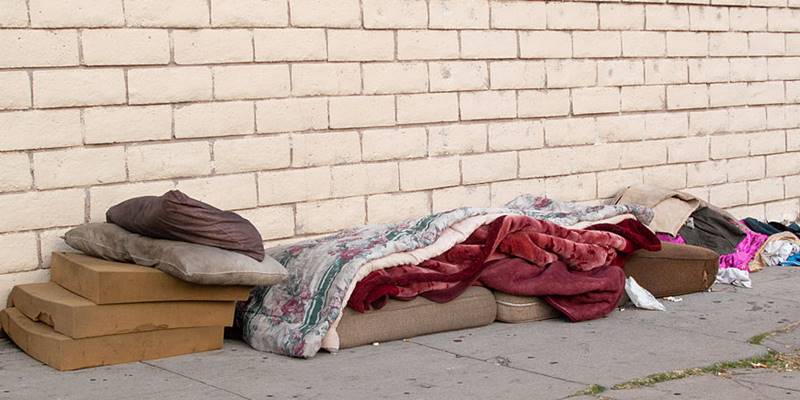
1. Among chronically homeless people who moved into supported housing units in Ottawa, Canada, the mortality rate was high at 22%.
Evidence Rating Level: 2 (Good)
Homeless people have markedly higher rates of mortality compared to the general population, with deaths occurring due to various preventable causes including drug overdose or poorly managed chronic disease. Supported housing has become an increasingly important policy, both in Canada and internationally, for addressing homeless health outcomes. This retrospective cohort study sought to characterize mortality in the post-housing period among homeless people who moved into supported housing units. 123 homeless people (mean[SD] age, 41.3[11.9] years; 62% men) from Ottawa, Canada who moved into supported housing units were included in the study. Among these 123 participants, 27 (22%) died during the observation period of the study, with the median[SD] length of follow-up being 2.6[2.0] years. The most common cause of death was “other causes” which occurred in 11 (40%) of participants, while other causes include “natural causes” in 7 (26%) participants and opioid overdose in 7 (26%) participants. Overall, this study found that among homeless people who moved into supported housing units in Ottawa, Canada, the mortality rate was high at over one in five.