• About
  • Masthead
  • License Content
  • Advertise
  • Submit Press Release
  • RSS/Email List
  • 2MM Podcast
  • Write for us
  • Contact Us
2 Minute Medicine
No Result
View All Result

No products in the cart.

SUBSCRIBE
  • Specialties
    • All Specialties, All Recent Reports
    • Cardiology
    • Chronic Disease
    • Dermatology
    • Emergency
    • Endocrinology
    • Gastroenterology
    • Imaging and Intervention
    • Infectious Disease
    • Nephrology
    • Neurology
    • Obstetrics
    • Oncology
    • Ophthalmology
    • Pediatrics
    • Pharma
    • Preclinical
    • Psychiatry
    • Public Health
    • Pulmonology
    • Rheumatology
    • Surgery
  • Tools
    • EvidencePulse™
    • RVU Search
    • NPI Registry Lookup
  • Pharma
  • AI News
  • The Scan+
  • Classics™+
    • 2MM+ Online Access
    • Paperback and Ebook
  • Rewinds
  • Partners
    • License Content
    • Submit Press Release
    • Advertise with Us
  • Account
    • Subscribe
    • Sign-in
    • My account
2 Minute Medicine
  • Specialties
    • All Specialties, All Recent Reports
    • Cardiology
    • Chronic Disease
    • Dermatology
    • Emergency
    • Endocrinology
    • Gastroenterology
    • Imaging and Intervention
    • Infectious Disease
    • Nephrology
    • Neurology
    • Obstetrics
    • Oncology
    • Ophthalmology
    • Pediatrics
    • Pharma
    • Preclinical
    • Psychiatry
    • Public Health
    • Pulmonology
    • Rheumatology
    • Surgery
  • Tools
    • EvidencePulse™
    • RVU Search
    • NPI Registry Lookup
  • Pharma
  • AI News
  • The Scan+
  • Classics™+
    • 2MM+ Online Access
    • Paperback and Ebook
  • Rewinds
  • Partners
    • License Content
    • Submit Press Release
    • Advertise with Us
  • Account
    • Subscribe
    • Sign-in
    • My account
SUBSCRIBE
2 Minute Medicine
Subscribe
Home All Specialties Emergency

Cerebral oximetry monitoring in extremely preterm infants does not reduce mortality
byGrace YinandKiera Liblik
May 1, 2023
in Emergency, Obstetrics, Pediatrics
Reading Time: 2 mins read
0
Share on FacebookShare on Twitter

1. In this randomized controlled trial, 72 hours of cerebral oximetry monitoring in preterm infants did not significantly reduce mortality or incidence of severe brain injury at 36 weeks.

2. There was no significant difference between cerebral oximetry monitoring and usual care in the incidence of bronchopulmonary dysplasia, retinopathy of prematurity, sepsis, or necrotizing enterocolitis.

Evidence Rating Level: 1 (Excellent)

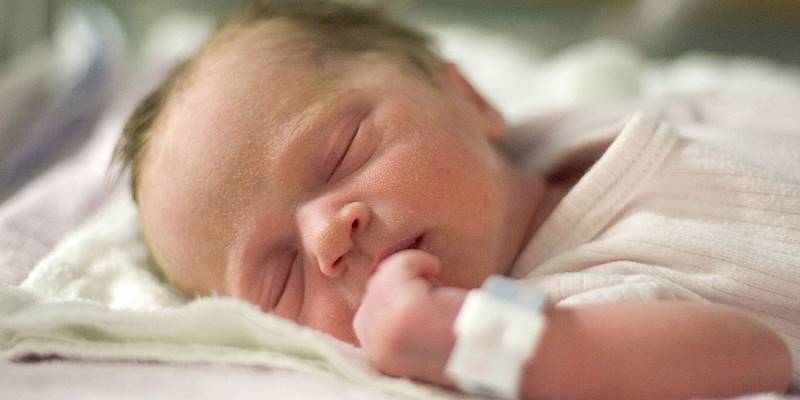
Study Rundown: Among infants born extremely preterm, the risk of severe neurological injury or death is substantial. Particularly, as their physiology at this stage predisposes them to many risks, including impaired cerebral blood flow, hypoxia, and respiratory distress. It has been suggested in previous studies that monitoring cerebral oxygenation in this population may be helpful in minimizing the risk of damage caused by ischemia. This study used a randomized trial design of 1,601 infants to investigate whether cerebral oxygen monitoring for the first 72 hours in infants born before 28 weeks gestation could reduce the risk of death or survival with severe brain injury. Results of the study found that there was no difference in death or survival with severe brain injury amongst extremely preterm infants randomized to receive cerebral oxygen monitoring and those who received usual care. Although cerebral oxygenation monitoring is a common practice amongst some centers, the results of this study suggest a lack of significant benefit. However, this was a pragmatic trial with optional training for staff participating. Further studies with long-term follow-up, varied or longer duration of oximetry monitoring, and designed with efficacy in mind may help further elucidate the presence or absence of a difference.

Click to read the study in NEJM

In-Depth [randomized controlled trial]: This study was a multinational, phase three, randomized trial evaluating the superiority of cerebral oximetry monitoring for 72 hours after birth in reducing the incidence of death or severe brain injury at 36-weeks amongst extremely preterm infants. The primary outcome was death or survival with severe brain injury at 36-weeks postmenstrual age. Additional outcomes of interest included death at anytime prior, bronchopulmonary dysplasia, severe retinopathy of prematurity, late onset sepsis, necrotizing enterocolitis, focal intestinal perforation, or adverse events associated with the intervention. Infants born earlier than 28-weeks gestation amongst whom it was possible to start cerebral oximetry monitoring within the first six hours after birth were included. In total, 1,601 infants were randomized in a 1:1 ratio to cerebral oximetry monitoring or usual care. Primary results of the study found that there was no significant difference in death or survival with severe brain injury amongst the two groups (relative risk with cerebral oximetry, 1.03; 95% confidence interval, 0.90 to 1.18; p=0.64). Similarly, there was no significant difference between the two groups with regards to additional outcome. In summary,  the results of this study suggests that cerebral oximetry monitoring for the first 72-hours of life has no survival benefit at 36-weeks, nor reduced risk of severe brain injury.

RELATED REPORTS

Children conceived through infertility treatments may have similar growth compared to naturally conceived children

Two scores for risk stratification of adults presenting with syncope may be effective at identifying those with low risk

Adverse pregnancy outcomes is associated with worse offspring cardiovascular health in early adulthood

Image: PD

©2023 2 Minute Medicine, Inc. All rights reserved. No works may be reproduced without expressed written consent from 2 Minute Medicine, Inc. Inquire about licensing here. No article should be construed as medical advice and is not intended as such by the authors or by 2 Minute Medicine, Inc.


Tags: Cerebral oximetry monitoringemergencyextremely preterm infantsneonatologyobstetricspediatrics
Previous Post

Donor sex has no effect on survival in patients receiving red blood cell transfusions

Next Post

Parental mental health influenced child mental health outcomes during the COVID-19 pandemic

RelatedReports

Risk of autism in offspring linked to maternal pregestational diabetes and severe obesity
Obstetrics

Children conceived through infertility treatments may have similar growth compared to naturally conceived children

June 11, 2026
Computed tomography improves diagnostic certainty in the emergency department
Cardiology

Two scores for risk stratification of adults presenting with syncope may be effective at identifying those with low risk

May 29, 2026
Prenatal antidepressant exposure may increase risk of poor motor development
Cardiology

Adverse pregnancy outcomes is associated with worse offspring cardiovascular health in early adulthood

May 18, 2026
Live attenuated vaccine less effective in recent influenza season
Emergency

Adjuvanted influenza vaccines and high-dose influenza vaccines may have similar effectiveness in adult patients

May 15, 2026
Next Post

Parental mental health influenced child mental health outcomes during the COVID-19 pandemic

The Scan by 2 Minute Medicine®:  Ultra-Trail du Mont-Blanc, Taylor Swift, NBA rookie Chet Holmgren and Magic Mushrooms!

The Scan by 2 Minute Medicine®: Tranquilizer Tales, Naloxone: Overturning Opioid Overdoses, Nicotine Nightmares, and Newly Approved Malaria Vaccine

Prolonged rest after concussion not linked to improved outcomes

Physical activity interventions may improve symptom resolution in children following concussion

2 Minute Medicine® is an award winning, physician-run, expert medical media company. Our content is curated, written and edited by practicing health professionals who have clinical and scientific expertise in their field of reporting. Our editorial management team is comprised of highly-trained MD physicians. Join numerous brands, companies, and hospitals who trust our licensed content.

Recent Reports

  • TikTok’s cortisol face trend meets endocrine reality
  • Semaglutide (Ozempic) raises questions about mood and nonresponse
  • Cruise ship hantavirus outbreak turns into a global contact tracing test
License Content
Terms of Use | Disclaimer
Cookie Policy
Privacy Statement (EU)
Disclaimer
  • Specialties
    • All Specialties, All Recent Reports
    • Cardiology
    • Chronic Disease
    • Dermatology
    • Emergency
    • Endocrinology
    • Gastroenterology
    • Imaging and Intervention
    • Infectious Disease
    • Nephrology
    • Neurology
    • Obstetrics
    • Oncology
    • Ophthalmology
    • Pediatrics
    • Pharma
    • Preclinical
    • Psychiatry
    • Public Health
    • Pulmonology
    • Rheumatology
    • Surgery
  • Tools
    • EvidencePulse™
    • RVU Search
    • NPI Registry Lookup
  • Pharma
  • AI News
  • The Scan
  • Classics™
    • 2MM+ Online Access
    • Paperback and Ebook
  • Rewinds
  • Partners
    • License Content
    • Submit Press Release
    • Advertise with Us
  • Account
    • Subscribe
    • Sign-in
    • My account
No Result
View All Result

© 2026 2 Minute Medicine, Inc. - Physician-written medical news.