• About
  • Masthead
  • License Content
  • Advertise
  • Submit Press Release
  • RSS/Email List
  • 2MM Podcast
  • Write for us
  • Contact Us
2 Minute Medicine
No Result
View All Result

No products in the cart.

SUBSCRIBE
  • Specialties
    • All Specialties, All Recent Reports
    • Cardiology
    • Chronic Disease
    • Dermatology
    • Emergency
    • Endocrinology
    • Gastroenterology
    • Imaging and Intervention
    • Infectious Disease
    • Nephrology
    • Neurology
    • Obstetrics
    • Oncology
    • Ophthalmology
    • Pediatrics
    • Pharma
    • Preclinical
    • Psychiatry
    • Public Health
    • Pulmonology
    • Rheumatology
    • Surgery
  • Tools
    • EvidencePulse™
    • RVU Search
    • NPI Registry Lookup
  • Pharma
  • AI News
  • The Scan+
  • Classics™+
    • 2MM+ Online Access
    • Paperback and Ebook
  • Rewinds
  • Partners
    • License Content
    • Submit Press Release
    • Advertise with Us
  • Account
    • Subscribe
    • Sign-in
    • My account
2 Minute Medicine
  • Specialties
    • All Specialties, All Recent Reports
    • Cardiology
    • Chronic Disease
    • Dermatology
    • Emergency
    • Endocrinology
    • Gastroenterology
    • Imaging and Intervention
    • Infectious Disease
    • Nephrology
    • Neurology
    • Obstetrics
    • Oncology
    • Ophthalmology
    • Pediatrics
    • Pharma
    • Preclinical
    • Psychiatry
    • Public Health
    • Pulmonology
    • Rheumatology
    • Surgery
  • Tools
    • EvidencePulse™
    • RVU Search
    • NPI Registry Lookup
  • Pharma
  • AI News
  • The Scan+
  • Classics™+
    • 2MM+ Online Access
    • Paperback and Ebook
  • Rewinds
  • Partners
    • License Content
    • Submit Press Release
    • Advertise with Us
  • Account
    • Subscribe
    • Sign-in
    • My account
SUBSCRIBE
2 Minute Medicine
Subscribe
Home All Specialties Emergency

Characterization of cancer development risk following pediatric radiation exposure from computed tomography
byRhianna DavisandAlex Chan
May 29, 2023
in Emergency, Hematology, Imaging and Intervention, Oncology, Pediatrics
Reading Time: 3 mins read
0
Share on FacebookShare on Twitter

Evidence rating level: 3 (Average)

1. Exposure to a higher cumulative number of pediatric CT scans is associated with a greater risk of developing intracranial tumours, leukemia, and non-Hodgkin lymphoma. 

2. Participants with 4 or more CT scans at or before age 6 had the greatest risk of developing cancer. 
Study Rundown: Low-dose radiation is known to be oncogenic, and exposure to diagnostic CT is associated with greater cancer risk in both adults and children. Previous studies have not addressed whether the risk of developing cancer is influenced by the age of CT exposures or the cumulative number of CT scans. This population-based, nested case-control study aimed to determine whether radiation exposure from CT at or before age 18 increases the risk of developing intracranial tumours, leukemia, or lymphoma. It was determined that exposure to one pediatric CT scan did not increase cancer risk, but participants with 2-3 pediatric CT scans were at increased risk of developing intracranial tumours. Participants with 4 or more pediatric CT scans were at an increased risk of developing intracranial tumours, leukemia, and non-Hodgkin lymphoma. Furthermore, participants with 4 or more CT scans at or before the age of 6 were at the greatest risk of developing cancer. Overall, this study found a positive relationship between the cumulative number of pediatric CT scans and the development of intracranial tumours, leukemia, and non-Hodgkin lymphoma, as well as a positive association between younger age at the time of CT exposure and malignancy risk. Study findings highlight the importance of the judicious use of CT scans in the pediatric population, recognizing that the benefits of diagnostic imaging must be weighed against the risks of oncogenic radiation exposure.

Click here to read the study in CMAJ
Study Rundown In-Depth [nested case control]: Data was collected from the National Health Insurance Research Database (NHIRD) in Taiwan. The control population included all NHRID beneficiaries under the age of 25 between January 1, 2000, and December 31, 2013. The case population included those with intracranial tumours, leukemia, or lymphomas diagnosed during this study period. Patients with known cancer-predisposing conditions or malignancies diagnosed prior to the study period were excluded from this analysis. Controls (n = 78,057) were matched to cases (n = 7807) at a 10:1 ratio, based on sex, date of birth, and cohort entry date. Exposure to one pediatric CT scan did not increase cancer risk. Participants with 2-3 pediatric CT scans had an increased risk of developing intracranial tumours (adjusted OR 2.36, 95% CI 1.40-3.97), but no increased risk of leukemia or lymphoma. Participants with 4 or more pediatric CT scans were at increased risk of developing intracranial tumours (adjusted OR 9.01, 95% CI 2.89-28.11), leukemia (adjusted OR 4.80, 95% CI 1.79-12.84), non-Hodgkin lymphoma (adjusted OR 6.76, 95% CI 1.91-23.96), but not Hodgkin lymphoma (adjusted OR 3.61, 95% CI 0.37-35.08).  The age of CT exposure was also found to impact cancer risk. Participants exposed to 4 or more CT scans at or before the age of 6 had the highest cancer risk, (adjusted OR 22.95, 95% CI 5.93-88.81), followed by ages 7-12 (adjusted OR 5.69, 95% CI 1.67-19.46), and then ages 13-18 (adjusted OR 3.20, 95% CI 1.27-8.06). p < 0.001 for this trend. Overall, this study emphasizes the importance of considering the risks associated with diagnostic imaging involving radiation, especially when caring for pediatric populations.

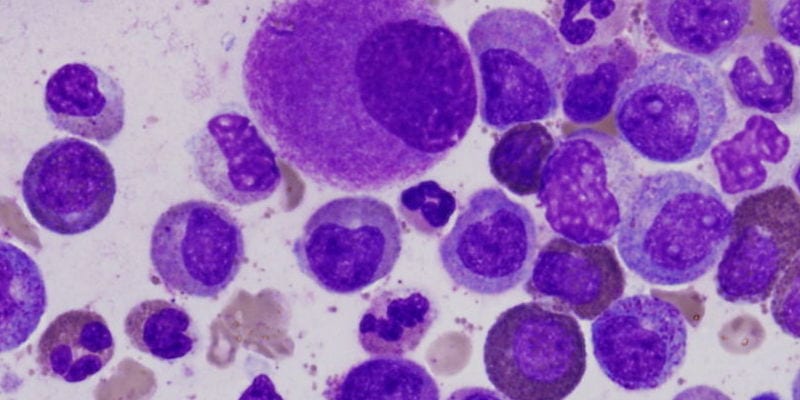
Image: PD

©2023 2 Minute Medicine, Inc. All rights reserved. No works may be reproduced without expressed written consent from 2 Minute Medicine, Inc. Inquire about licensing here. No article should be construed as medical advice and is not intended as such by the authors or by 2 Minute Medicine, Inc.
RELATED REPORTS

2MM: AI Roundup – Lilly and NVIDIA’s $1B AI lab, Illumina’s Billion Cell Atlas, AstraZeneca’s Modella deal, and Claude for Healthcare [Jan 19th, 2026]

2 Minute Medicine Rewind

2 Minute Medicine: Pharma Roundup – New oral gonorrhea antibiotic Nuzolvence (zoliflodacin), late‑December cardiovascular and oncology drug approvals, first targeted complement inhibitor therapy for HSCT‑TMA (Yartemlea), and antibody‑drug conjugate (ADC) safety concerns with ifinatamab deruxtecan (I‑DXd) [January 2026]

Tags: hematologyleukemiaoncologyradiationradiology
Previous Post

Yoga supports the wellbeing of individuals with mild cognitive impairment or dementia

Next Post

Intravascular imaging-guided PCI has a lower mortality rate than angiography-guided PCI

RelatedReports

2MM: AI Roundup- AI Cancer Test, Smarter Hospitals, Faster Drug Discovery, and Mental Health Tech [May 2nd, 2025]
AI Roundup

2MM: AI Roundup – Lilly and NVIDIA’s $1B AI lab, Illumina’s Billion Cell Atlas, AstraZeneca’s Modella deal, and Claude for Healthcare [Jan 19th, 2026]

January 19, 2026
Remote patient monitoring did not reduce heart failure readmissions: The BEAT-HF trial
Weekly Rewinds

2 Minute Medicine Rewind

January 13, 2026
2 Minute Medicine: Pharma Roundup: Price Hikes, Breakthrough Approvals, Legal Showdowns, Biotech Expansion, and Europe’s Pricing Debate [May 12nd, 2025]
Cardiology

2 Minute Medicine: Pharma Roundup – New oral gonorrhea antibiotic Nuzolvence (zoliflodacin), late‑December cardiovascular and oncology drug approvals, first targeted complement inhibitor therapy for HSCT‑TMA (Yartemlea), and antibody‑drug conjugate (ADC) safety concerns with ifinatamab deruxtecan (I‑DXd) [January 2026]

January 12, 2026
Chronic Disease

High-flow nasal therapy with room air and fan therapy provide modest relief of dyspnea in advanced cancer patients who are not hypoxemic

January 12, 2026
Next Post
PCI not superior to medical therapy alone in stable coronary disease: The COURAGE study

Intravascular imaging-guided PCI has a lower mortality rate than angiography-guided PCI

Pre-exposure prophylaxis (PrEP) effective in preventing HIV infection in high-risk gay men

HIV status does not impact mpox treatment with tecovirimat

Patient Basics: Chronic Hepatitis

Amoxicillin-clavulanate not associated with improved survival outcomes in patients with severe alcohol-related hepatitis receiving prednisolone

2 Minute Medicine® is an award winning, physician-run, expert medical media company. Our content is curated, written and edited by practicing health professionals who have clinical and scientific expertise in their field of reporting. Our editorial management team is comprised of highly-trained MD physicians. Join numerous brands, companies, and hospitals who trust our licensed content.

Recent Reports

  • Cast immobilization is non-inferior to surgical intervention in isolated Weber B fractures of lateral malleolus
  • NVIDIA and Lilly put $1B behind AI as core drug infrastructure
  • Berberine is safe and effective in lowering lipoprotein cholesterol levels in metabolic dysfunction-associated steatotic liver disease
License Content
Terms of Use | Disclaimer
Cookie Policy
Privacy Statement (EU)
Disclaimer

© 2025 2 Minute Medicine, Inc. - Physician-written medical news.

  • Specialties
    • All Specialties, All Recent Reports
    • Cardiology
    • Chronic Disease
    • Dermatology
    • Emergency
    • Endocrinology
    • Gastroenterology
    • Imaging and Intervention
    • Infectious Disease
    • Nephrology
    • Neurology
    • Obstetrics
    • Oncology
    • Ophthalmology
    • Pediatrics
    • Pharma
    • Preclinical
    • Psychiatry
    • Public Health
    • Pulmonology
    • Rheumatology
    • Surgery
  • Tools
    • EvidencePulse™
    • RVU Search
    • NPI Registry Lookup
  • Pharma
  • AI News
  • The Scan
  • Classics™
    • 2MM+ Online Access
    • Paperback and Ebook
  • Rewinds
  • Partners
    • License Content
    • Submit Press Release
    • Advertise with Us
  • Account
    • Subscribe
    • Sign-in
    • My account
No Result
View All Result

© 2025 2 Minute Medicine, Inc. - Physician-written medical news.